A long campaign reached its decisive year
The story of Battleship IOWA in Los Angeles did not begin in 2012. Pacific Battleship Center had been working for years to prove that Southern California could provide a permanent, financially sustainable, publicly useful home for one of the most important surviving American battleships. By the time the Navy donation agreement was signed on September 6, 2011, the organization had already completed years of advocacy, feasibility work, fundraising, government coordination, and technical planning. But ownership was only the beginning.
A 45,000-ton former warship could not simply be handed over and opened as a museum. The ship had to be prepared for tow, moved from the reserve fleet, made safe for visitors, supplied with shore power and utilities, connected to a berth, staffed, insured, interpreted, and introduced to a region that had never before operated a battleship museum of this scale. The work demanded simultaneous expertise in naval knowledge, engineering, fundraising, community relations, and tourism development, as well as a large volunteer workforce.
The final journey south
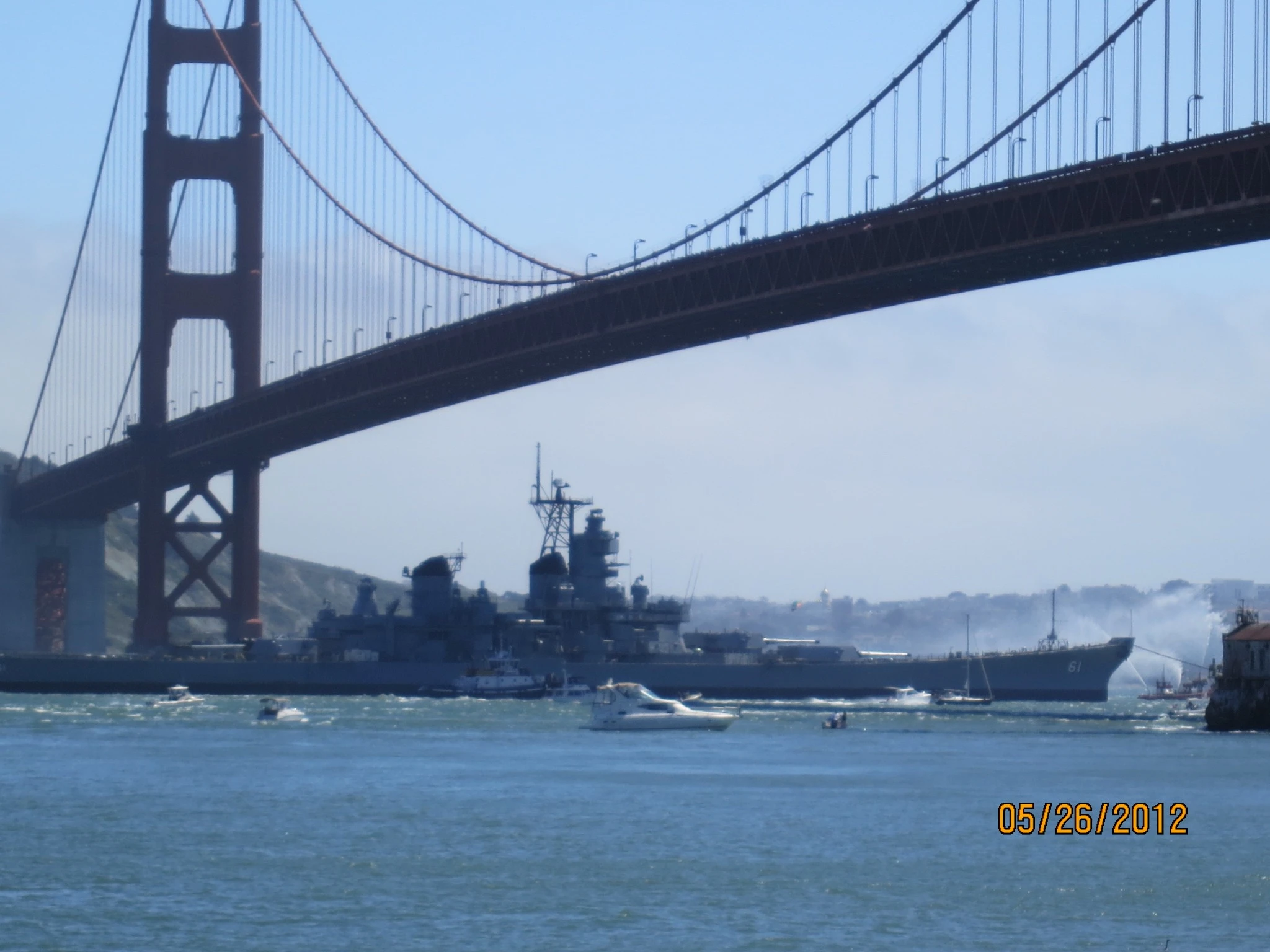
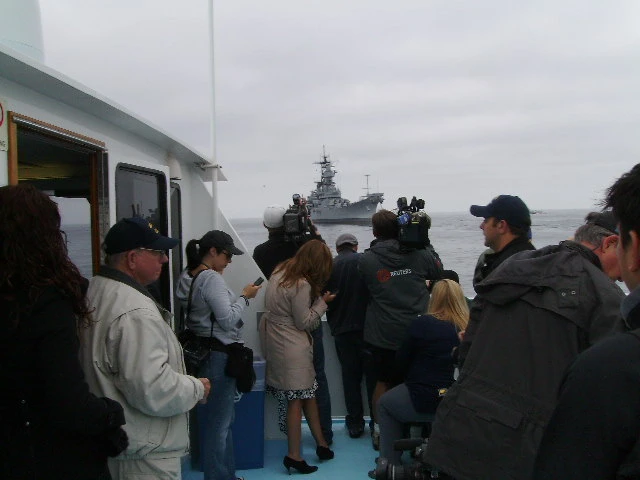
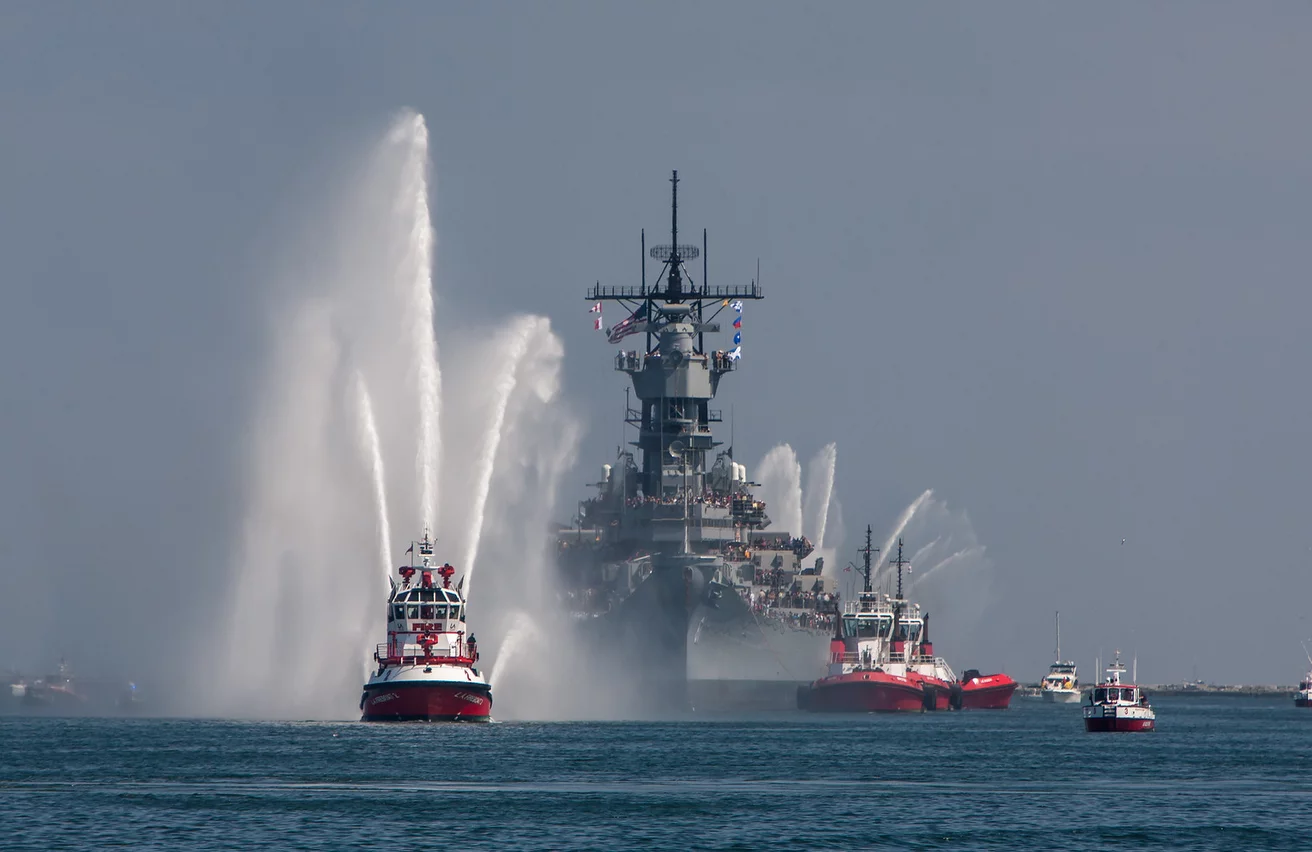
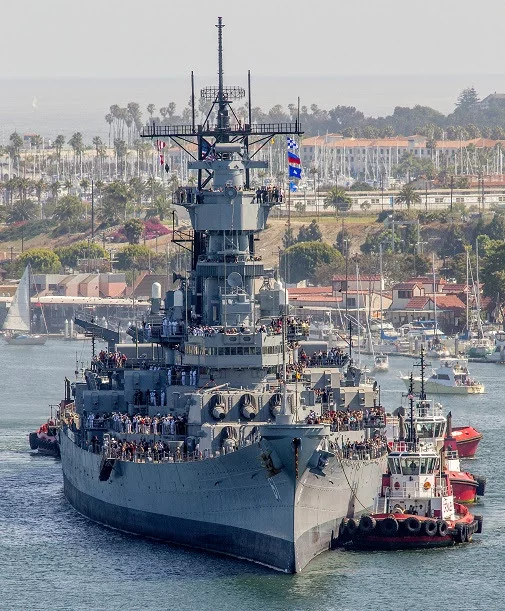
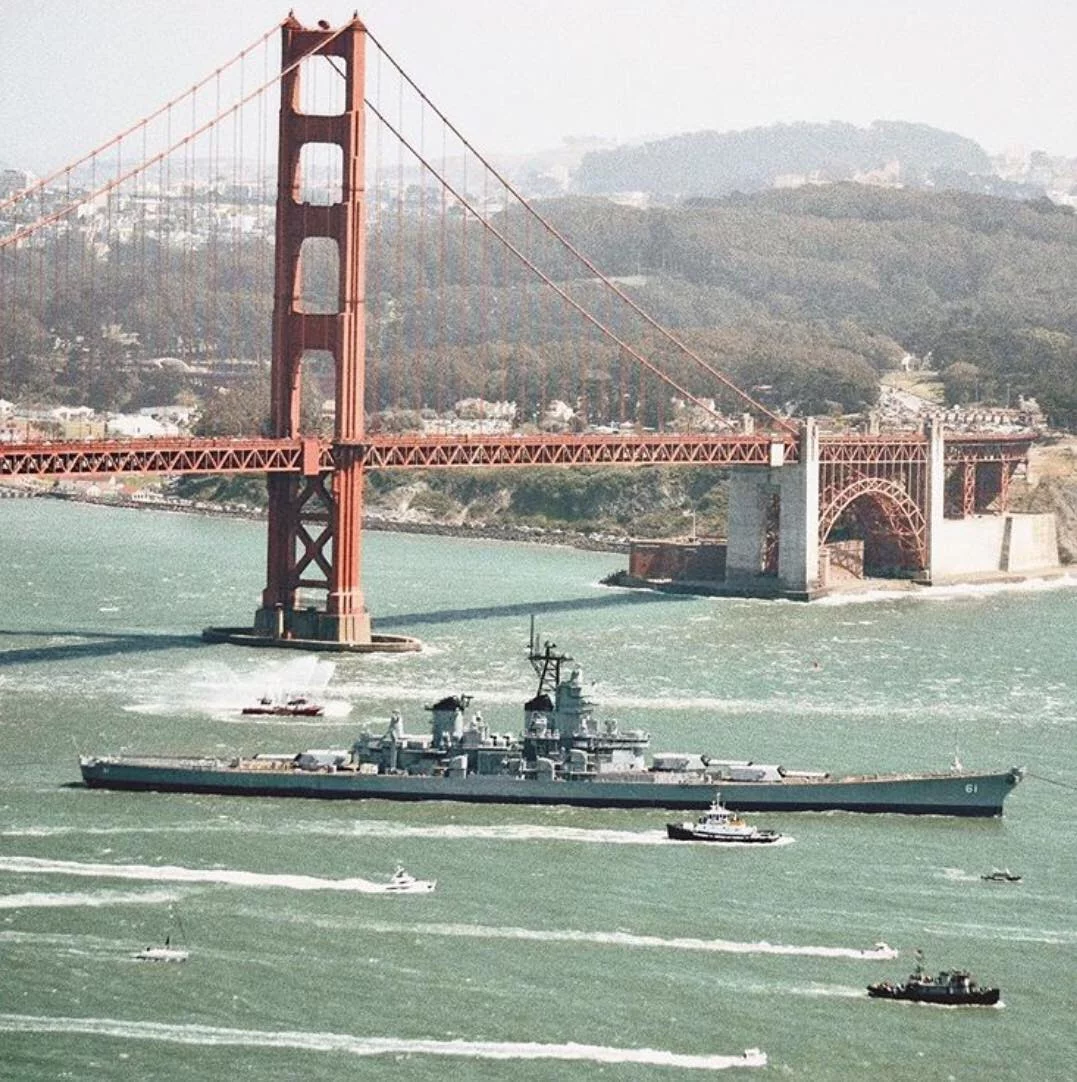
USS IOWA left the Suisun Bay Reserve Fleet on October 27, 2011, beginning the sequence of moves that ultimately brought her to Southern California. After restoration and preparation work by a group of passionate volunteers in Richmond, California, the ship was towed south. She reached the Los Angeles area in early June 2012 and, after hull cleaning offshore, entered the main channel of the Port of Los Angeles.
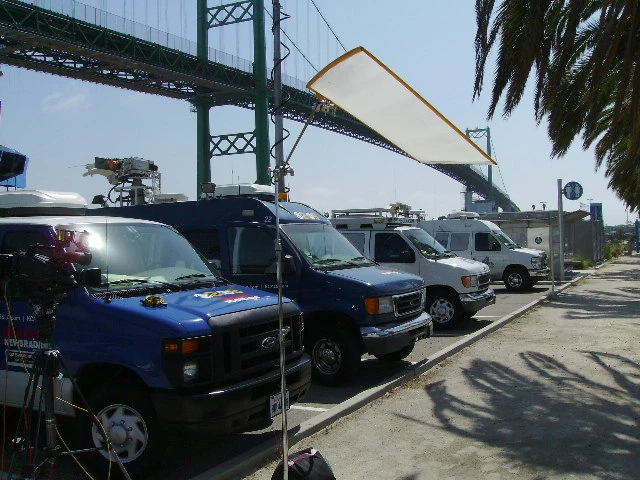
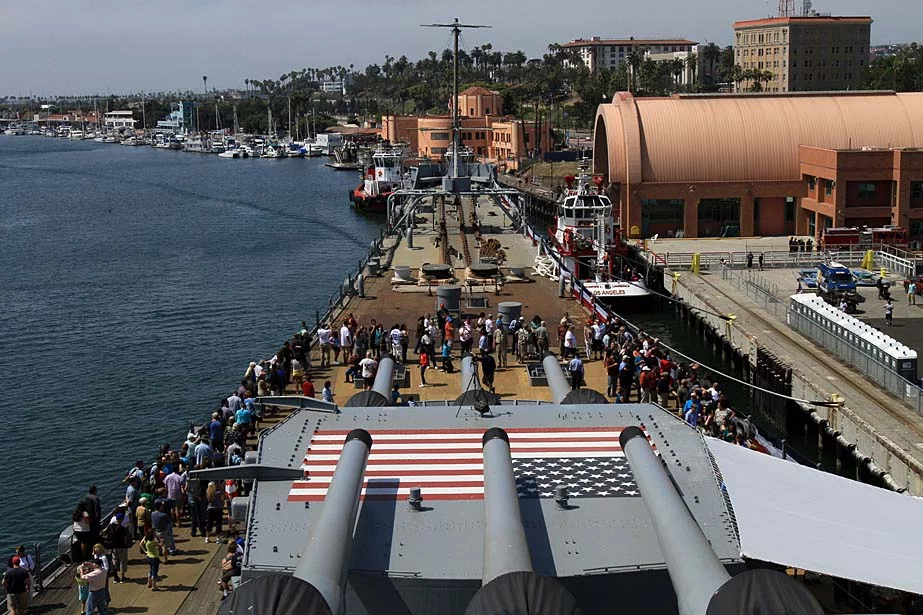
On June 9, 2012, IOWA came alongside Berth 87. The arrival was both ceremonial and operational. Supporters could finally see the ship in the place where the museum would be housed, but the crew immediately faced a new reality: every system required for a public attraction now had to function. Gangways, visitor circulation, safety systems, ticketing, security, exhibits, restrooms, staffing, training, and emergency procedures all had to work together on a vessel never designed to be a museum.
Opening week transformed the organization
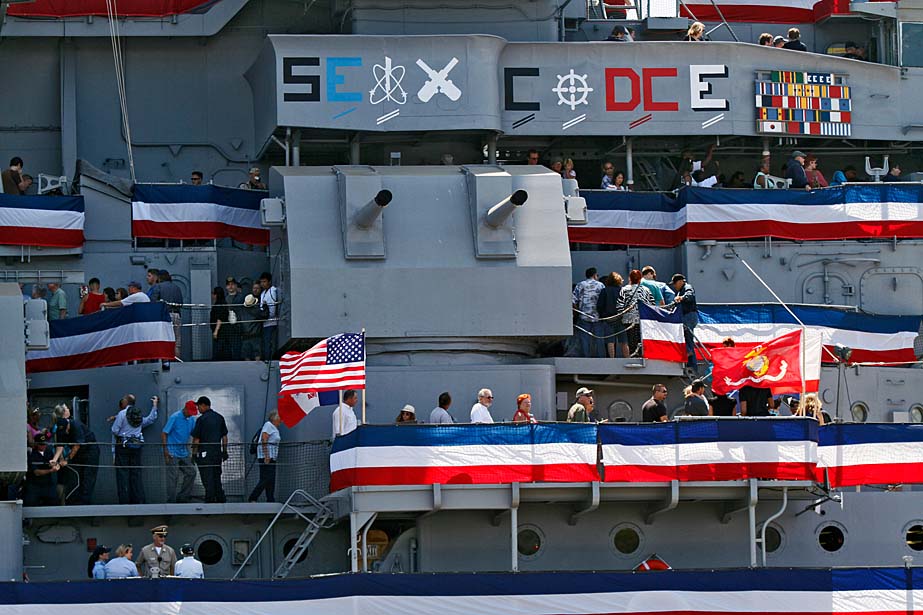
The first week of July became the formal transition from rescue project to museum. Iowa veterans and their families were welcomed aboard. A private grand-opening celebration on July 4 brought civic leaders, veterans, supporters, and representatives from both California and Iowa to the waterfront. Early supporters were recognized during a Plank Owner celebration. On July 7, Battleship IOWA opened for public tours.
The opening changed the organization more profoundly than any ribbon-cutting could convey. Pacific Battleship Center now had to perform two missions simultaneously. It had to preserve a National Historic Landmark-scale naval artifact in a saltwater environment and operate a visitor-serving institution every day. Admissions, school tours, group sales, maintenance, collections, volunteer coordination, events, marketing, and guest safety became recurring responsibilities rather than opening-day tasks.
Why the location mattered
Berth 87 placed IOWA inside the working Port of Los Angeles rather than in a conventional museum district. That created challenges but also gave the museum an unusually authentic setting. Visitors encountered the ship against container terminals, tugboats, cruise ships, harbor traffic, and the infrastructure of global maritime commerce. The location linked naval history to the sea's continuing importance to Southern California and the nation.
It also made the museum part of a larger waterfront-development story. From the beginning, Pacific Battleship Center was expected to do more than preserve a ship. It was asked to help draw visitors to San Pedro, support nearby businesses, strengthen the waterfront as a destination, and create educational and civic value for the region.
The deeper legacy of 2012
The defining achievement of 2012 was the establishment of public trust and the foundation of our volunteer centric culture. Thousands of people had donated time, money, expertise, influence, or political support because they believed IOWA could continue serving after naval retirement. Opening the museum made that promise tangible.
Nearly every program that followed — youth education, overnight programs, veterans services, community events, LA Fleet Week, major preservation campaigns, and ultimately the National Museum of the Surface Navy — rests on the operating platform created in 2012. The year proved that preservation did not have to mean freezing a ship in time. IOWA could remain active, useful, and connected to the public while still being protected for future generations.
Research basis and further reading
• Pacific Battleship Center post-Cold War timeline
• Pacific Battleship Center audited financial statements, 2012-2013
• Pacific Battleship Center internal planning and archival materials
• Contemporary Pacific Battleship Center news archive
Limited time only!
Kids Board Free
In the all-new Life of a Sailor experience, kids become sailor recruits, building their skills, following the story of a famous sailor, and joining Vicky the Dog on a scavenger hunt through Battleship IOWA.
Kids board free with a paid adult.