From launch mode to daily stewardship
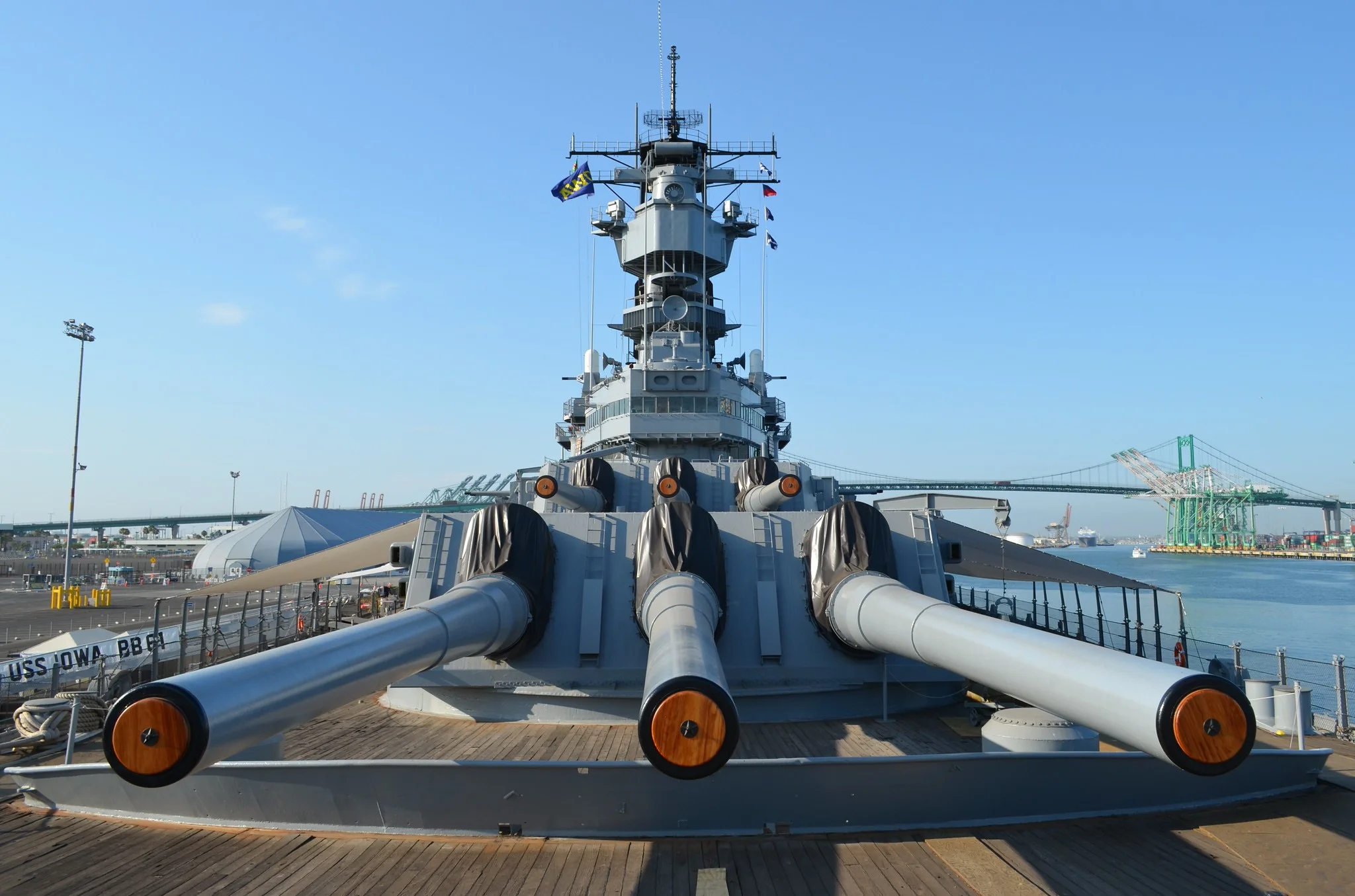
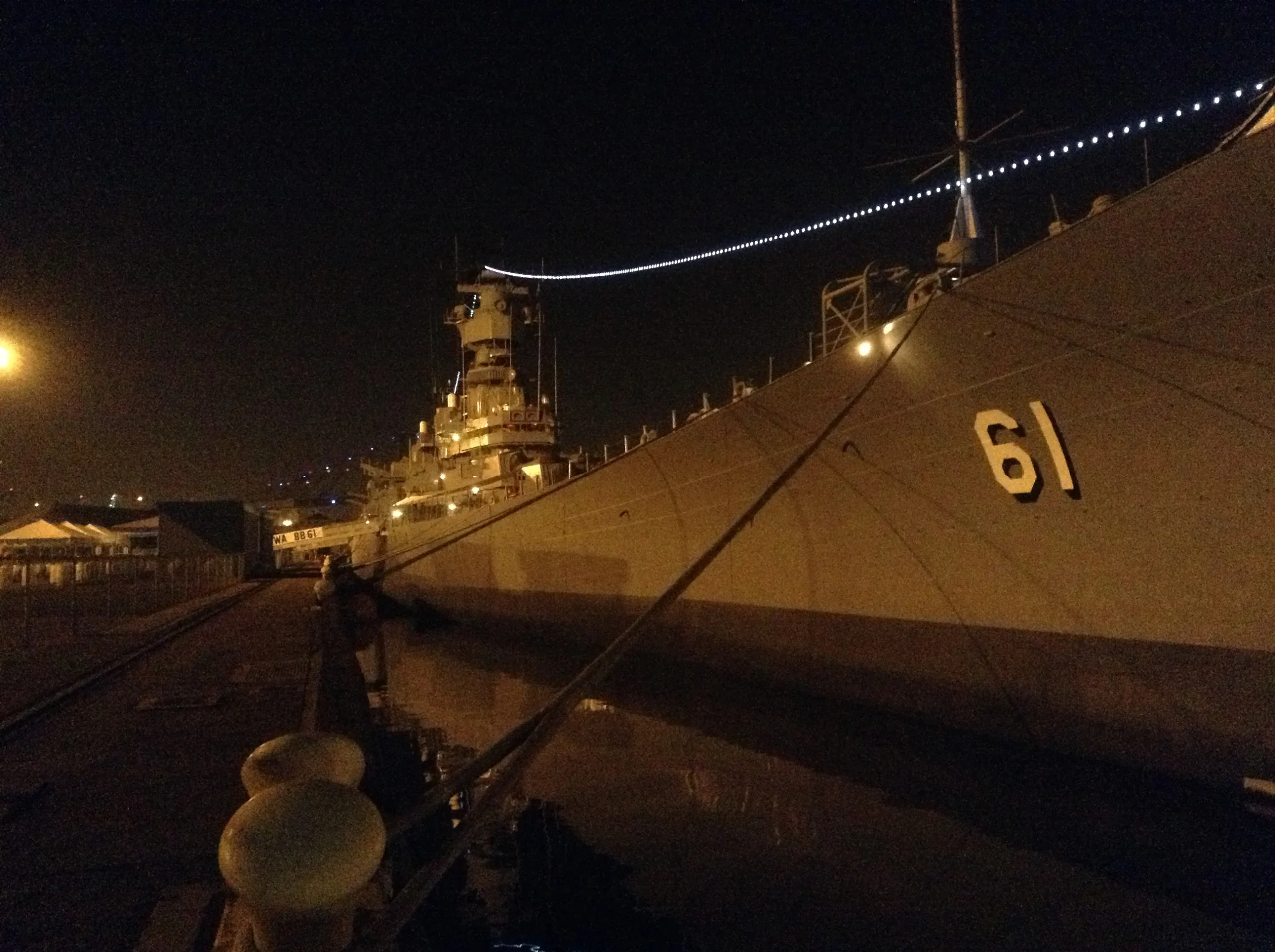
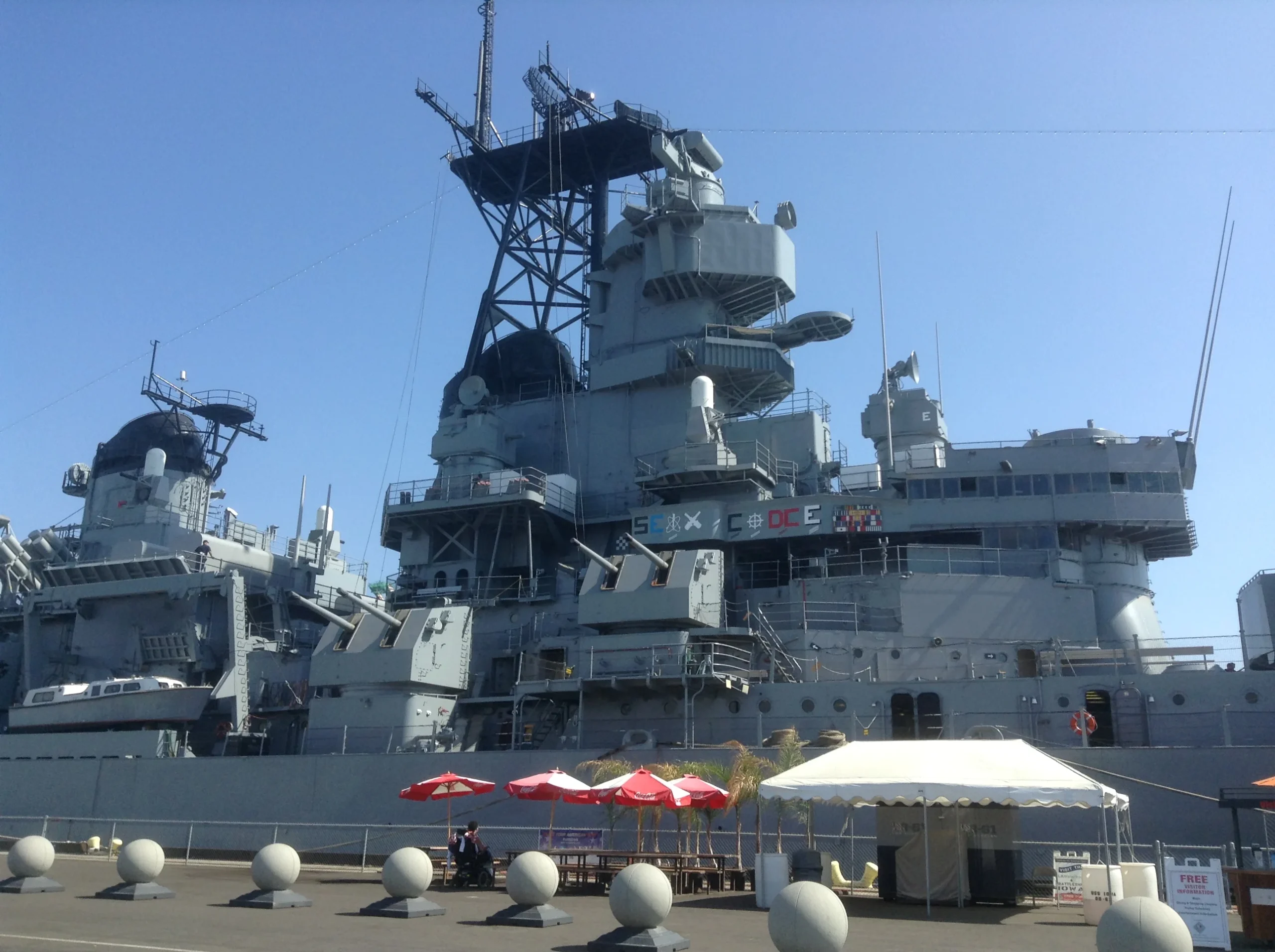
A museum opening is an event; operating a museum is a system. In 2013, Battleship IOWA entered its first complete calendar year on the LA Waterfront, and the organization shifted from the urgency of launch into the discipline of daily stewardship. Visitors still experienced the drama of walking aboard a battleship, but behind the scenes, the crew was developing routines for maintenance, interpretation, volunteer scheduling, ticketing, fundraising, security, and guest services.
That transition mattered because historic ships deteriorate whether the museum is busy or not. Salt air, moisture, ultraviolet exposure, aging electrical systems, worn decks, corrosion, and constant public use created an endless preservation workload. The first full year forced Pacific Battleship Center to show that it could keep the ship open while also caring for the artifact.
National recognition arrived early
In May 2013, the Steamship Historical Society of America named Battleship IOWA the 2013 Museum Ship of the Year. The recognition came less than a year after the museum opened and validated both the significance of the ship and the organization’s work to relocate, preserve, and interpret her.
The award was important for a young nonprofit. IOWA had arrived in Los Angeles amid understandable questions about whether another historic vessel could become financially viable and operationally sustainable. Recognition from the museum-ship community helped establish credibility beyond Southern California and reinforced that the project had become more than a local attraction.
History became personal
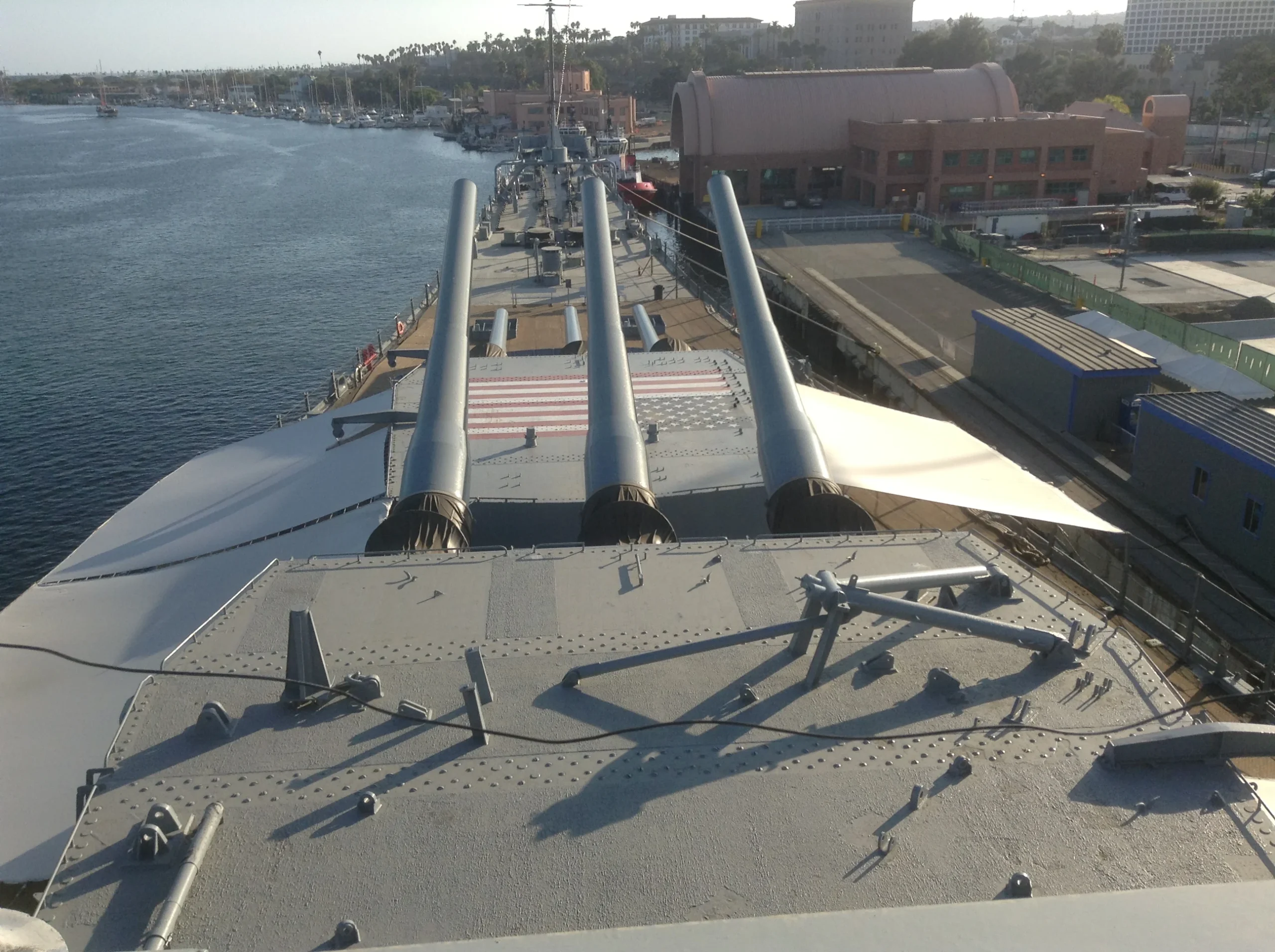
The strongest interpretation aboard IOWA was never simply about armor thickness, gun caliber, or speed. The ship gave visitors direct contact with human stories. President Franklin D. Roosevelt’s 1943 voyage, the unique elevator installed to accommodate him, and the presidential bathtub offered unusually tangible ways to discuss wartime leadership, accessibility, diplomacy, and life aboard ship.
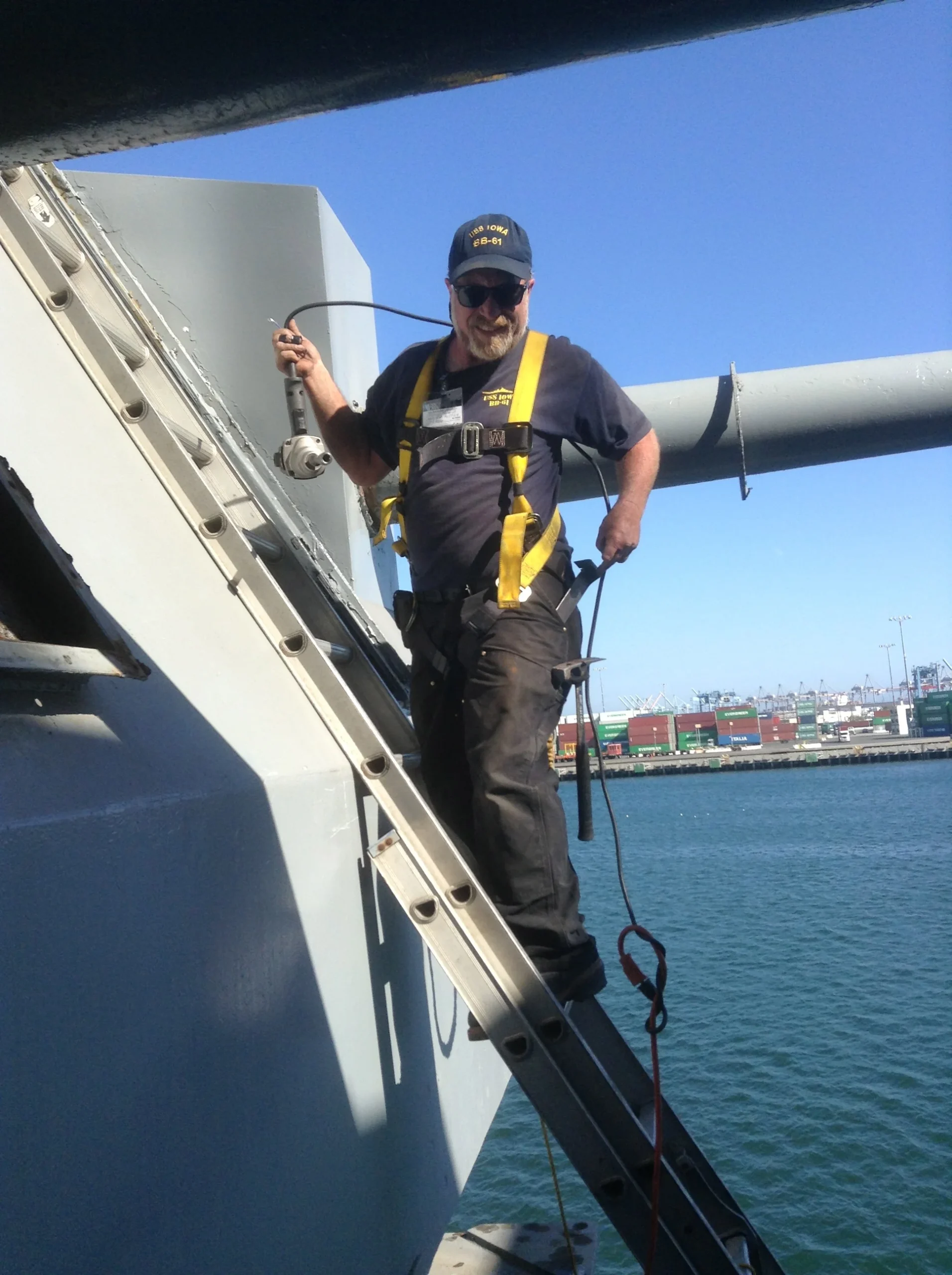
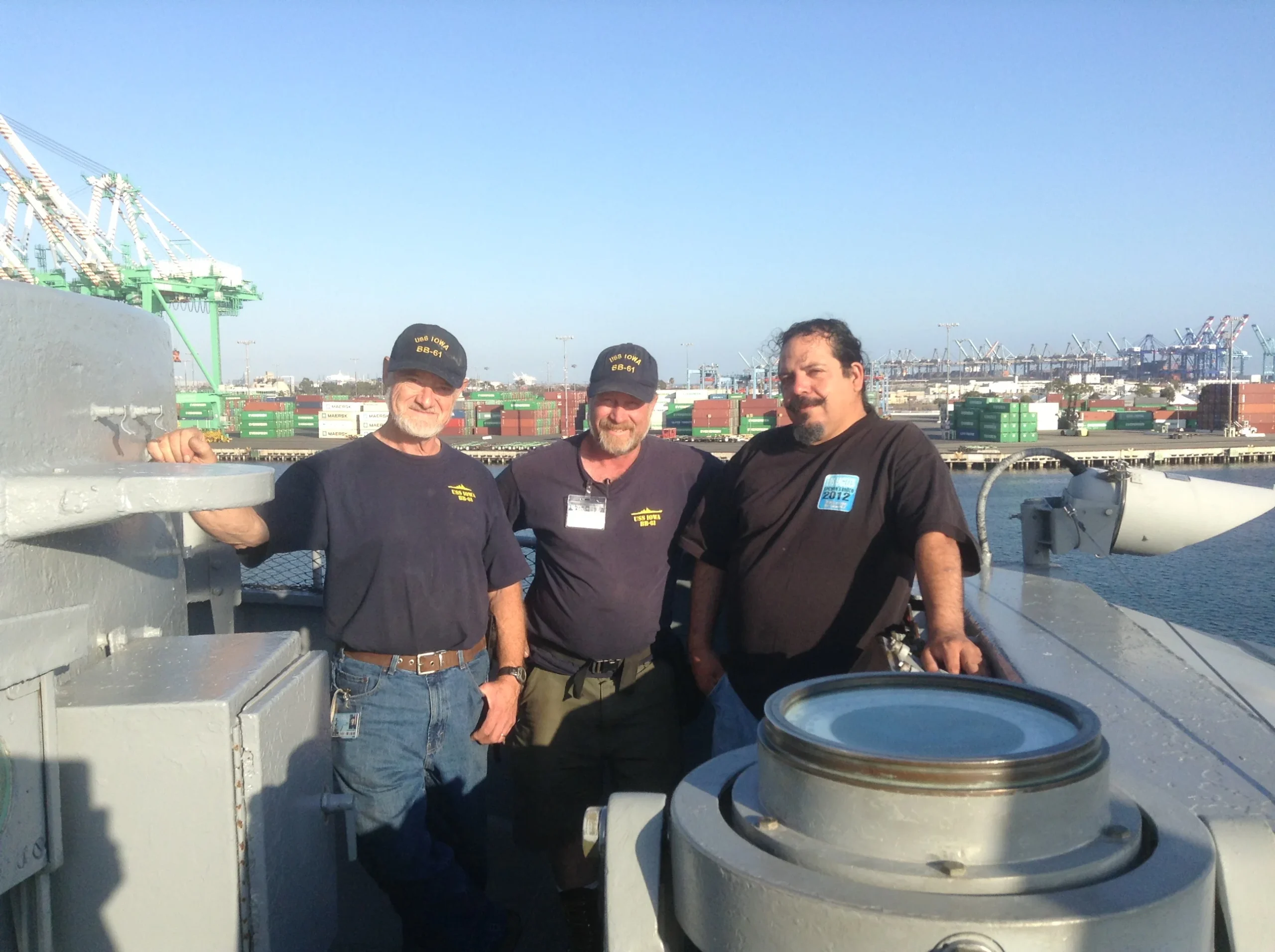
Veterans and volunteers provided another layer of interpretation. Former sailors could explain how spaces actually functioned. Tradespeople could show what it takes to preserve a steel ship. Families could connect names, photographs, and memories to the physical places where people served. This human-centered approach began to define the museum’s identity.
A place for remembrance and public service
Commemorative programs tied to Memorial Day, Pearl Harbor, veterans, and the broader military community established the ship as both a civic setting and a tourist destination. During the federal government shutdown, the museum offered free admission to active-duty military personnel and veterans, signaling an emerging organizational philosophy: the ship should remain accountable to the people whose service gave the artifact meaning.
That philosophy would later grow into formal veterans programming, but its roots were already visible. Battleship IOWA was becoming a place where military service could be remembered, discussed, and connected to living communities rather than treated only as distant history.
Building a contemporary crew
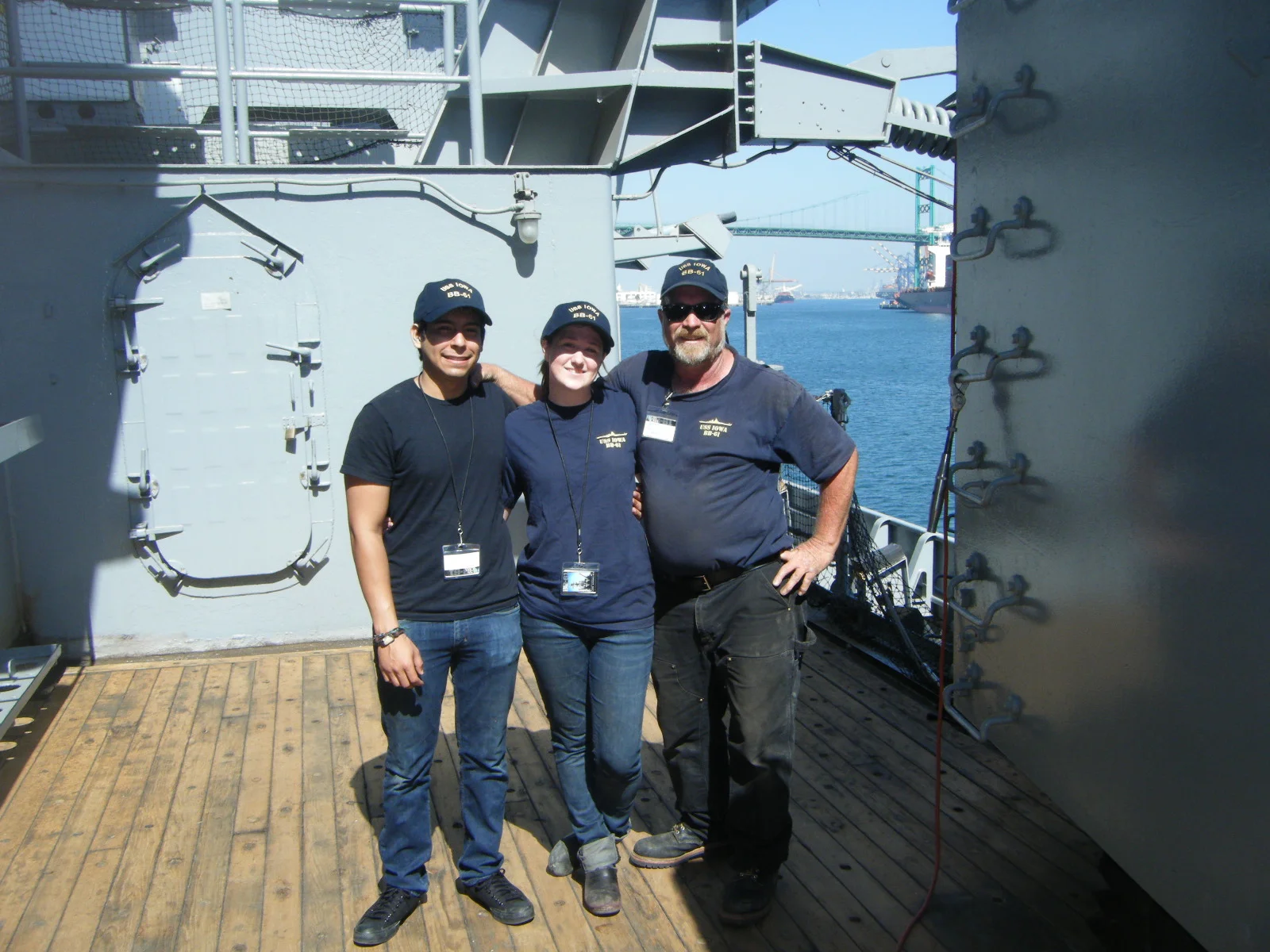
The museum also depended on a new kind of ship’s company. Volunteers came from the Navy, skilled trades, education, business, tourism, and the surrounding community. Some had served aboard IOWA or other naval vessels; others had no military background at all. Their shared work created a culture that echoed shipboard life: people with different skills had to rely on one another to keep a complex platform operating.
That volunteer structure became one of Pacific Battleship Center’s most important long-term assets. It reduced the cost of caring for the ship, preserved technical knowledge, created social connection, and made the museum itself a form of public participation.
Why 2013 mattered
By the end of 2013, Battleship IOWA had survived the period when new attractions often lose momentum after opening. The museum had earned professional recognition, created recurring public programs, expanded interpretation, and built the habits required to operate a major historic ship.
The year established the pattern that would guide the next decade: preservation, public access, education, remembrance, and volunteer service were not separate functions. They were parts of one operating model.
Research basis and further reading
• Steamship Historical Society of America Museum Ship of the Year announcement
• Pacific Battleship Center news archive, 2013
• Pacific Battleship Center audited financial statements, 2012-2013
• Pacific Battleship Center internal correspondence and operating records

Limited time only!
Kids Board Free
In the all-new Life of a Sailor experience, kids become sailor recruits, building their skills, following the story of a famous sailor, and joining Vicky the Dog on a scavenger hunt through Battleship IOWA.
Kids board free with a paid adult.