
Annual Information
The business model stopped almost overnight
Battleship IOWA closed to visitors on March 13, 2020, as COVID-19 disrupted public life across Los Angeles. Admissions, school programs, group tours, and events — the activities that normally generated operating revenue — disappeared almost immediately.
The ship’s expenses did not disappear with them. A 45,000-ton historic vessel still required oversight of mooring, security, electrical power, fire protection, flood prevention, ventilation, corrosion control, maintenance, and emergency readiness. Unlike a conventional museum building, IOWA could not simply be locked and left alone.
A limited reopening could not replace normal operations
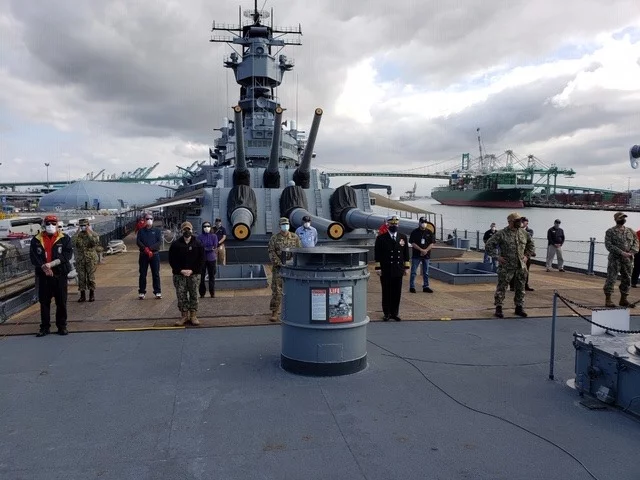
The museum reopened a limited outdoor route on May 30, with attendance at roughly 5% of normal. Visitors could access portions of the weather decks under new health procedures, but changing public health conditions repeatedly constrained operations.
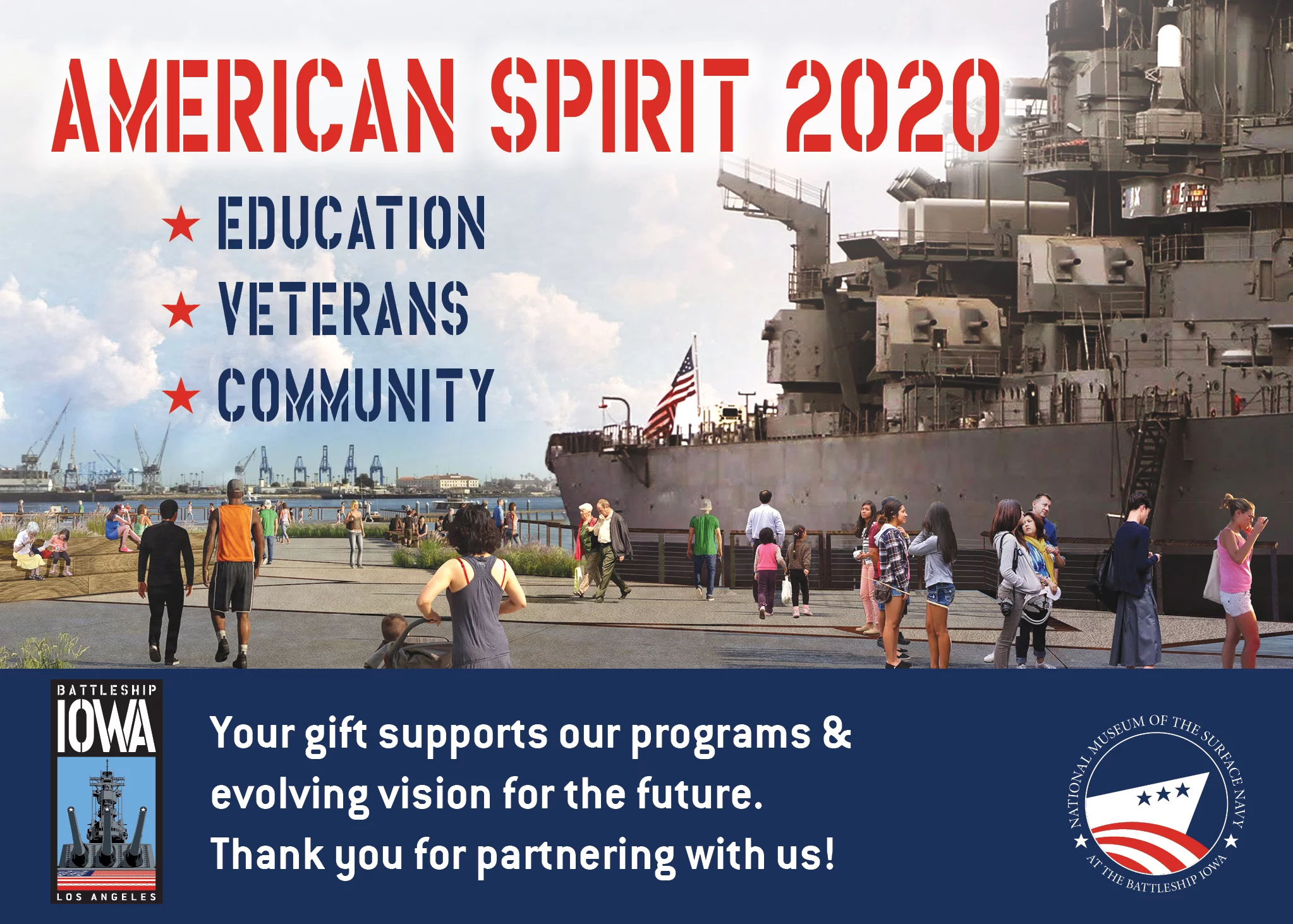
The limited route demonstrated adaptability but not financial sustainability. Memberships, emergency appeals, challenge matches, donor support, and campaigns such as Operation Crush COVID became essential. The organization had to explain a difficult reality: contributions were needed not for a future enhancement, but to keep the ship safe through the crisis.
The crew turned outward
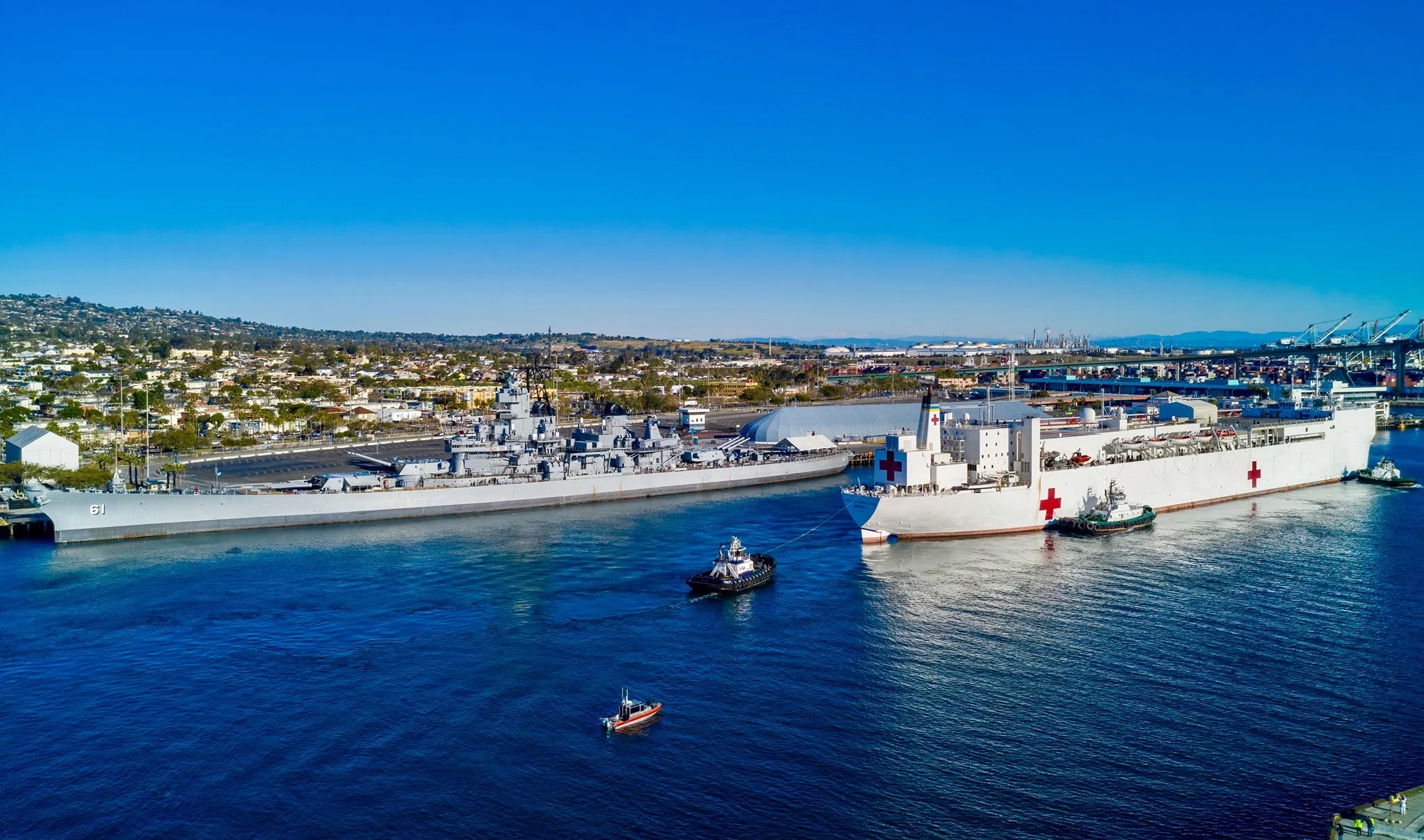
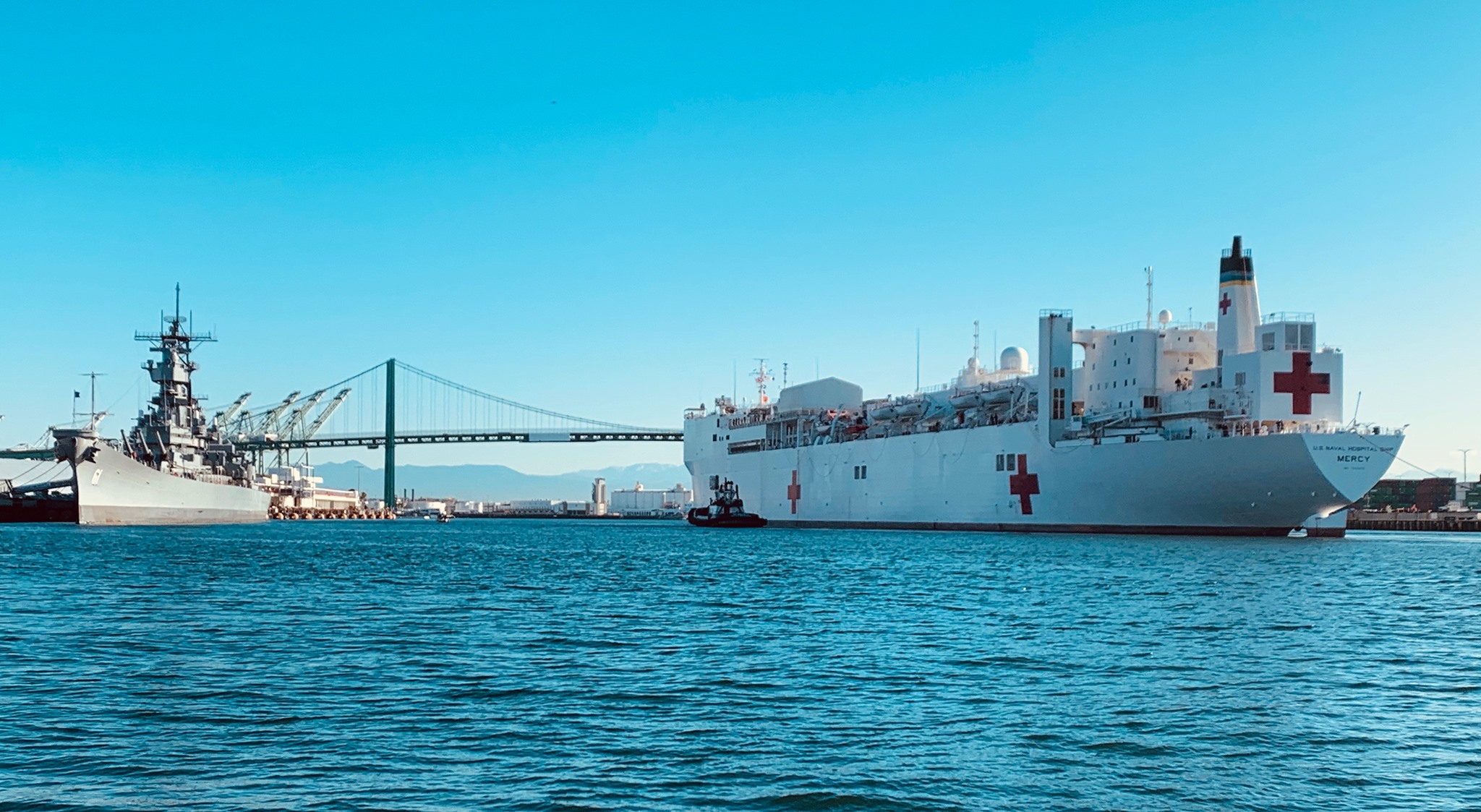
Pacific Battleship Center also used its network to support community response. The 2020 annual report notes assistance connected to the USNS Mercy mission and disaster-response coordination. Operation Crush COVID highlighted the organization’s staff, volunteers, veterans, and community partners, and connected fundraising to stories of resilience and service.
These efforts grew from relationships developed through LA Fleet Week, veterans work, public-safety partnerships, and the maritime community. The museum’s value during the shutdown was not measured only by whether people could buy tickets. The organization could still convene people, share expertise, and support emergency response.
Digital programming expanded the audience
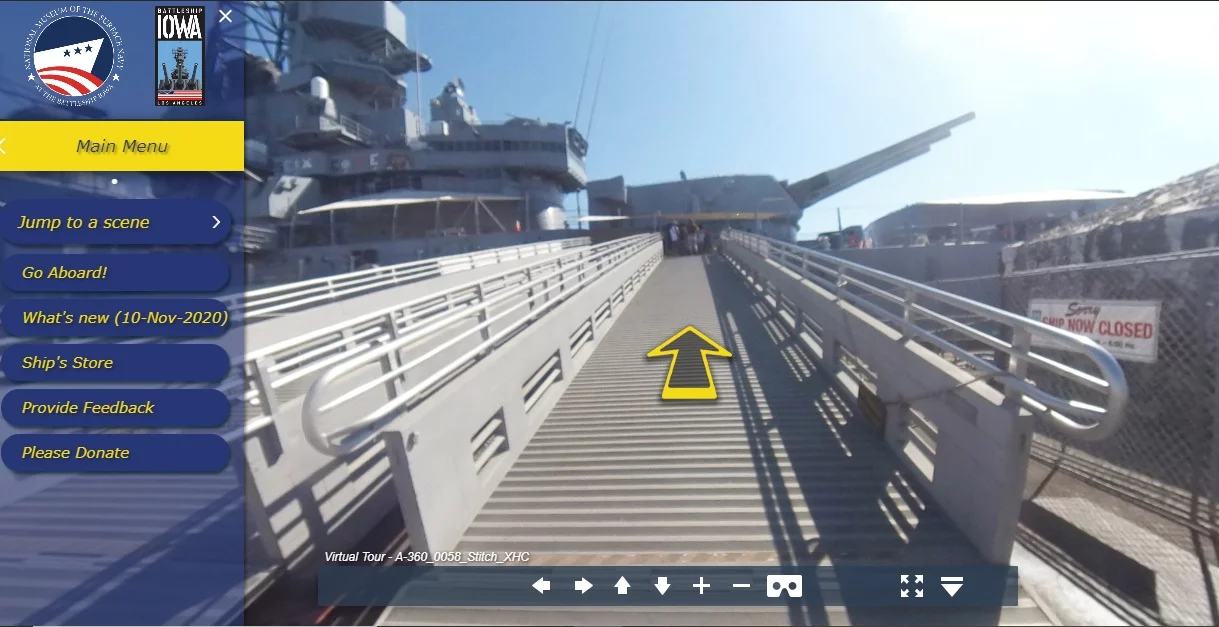
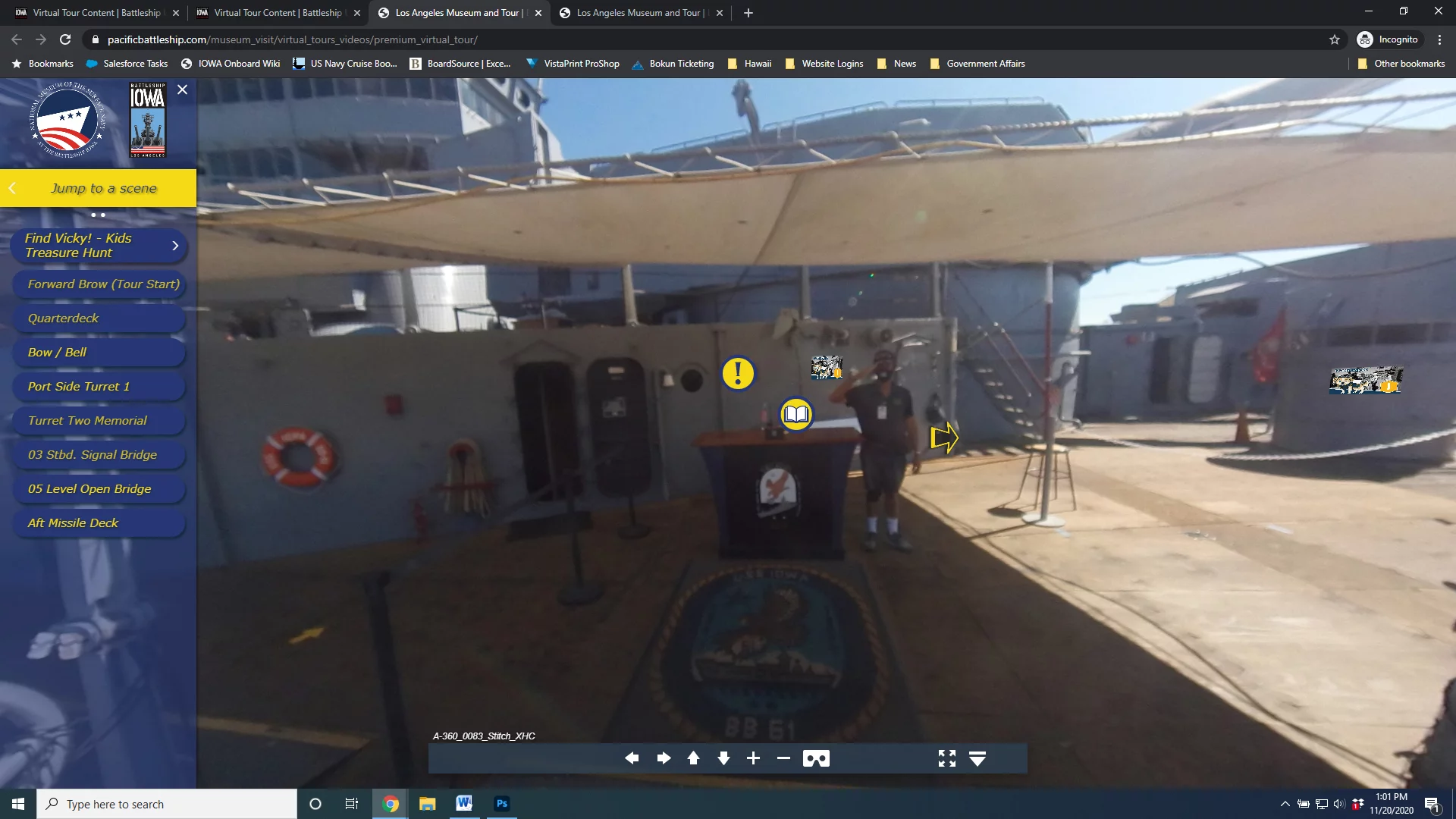
Virtual tours, livestreams, webinars, social content, and remote commemorations allowed the museum to reach people who could not travel to Los Angeles. The 75th anniversary of the end of World War II, veterans programming, history discussions, and shipboard stories moved into digital formats.
The organization’s outreach remained substantial: the annual report recorded 449,900 Facebook followers, 23,600 Instagram followers, 6,170 Twitter followers, more than 2.8 million Google Maps views, 234,000 unique website users, and an email audience exceeding 81,000. Digital reach became an operating asset rather than simply a marketing channel.
Veterans services continued to develop
Even during the shutdown, Pacific Battleship Center continued building its veterans mission. A Military and Veterans Affairs Manager joined the organization, and Phillips 66 contributed $30,000 toward the development of the Veterans Resource Center. The goal remained practical: connect veterans and military families with services, community, employment pathways, and peer support.
That work helped redefine what it meant for a museum to honor veterans. Remembrance remained important, but direct service could continue even when normal museum visitation was impossible.
The National Museum stayed on course
The National Museum of the Surface Navy initiative did not stop. The annual report recorded the launch of the quiet phase of the capital campaign and the securing of initial founding partners. Representative Nanette Barragán and Senator Dianne Feinstein introduced federal legislation seeking formal recognition.
More than 2,600 people became registered Plank Owners during the year, demonstrating that the future museum could continue building a national community even in the middle of a crisis.
Preservation continued through the shutdown
Volunteers still contributed 32,451 hours, valued at nearly $972,000. Maintenance included restoration of the fantail areas, including the flight deck, electrical modifications related to pandemic-era load shedding, and the ongoing work on moorings, cathodic protection, rust abatement, decks, and paint.
The physical work was a reminder that preservation is not optional simply because the public is absent.
Why 2020 mattered
The pandemic revealed the difference between a tourist attraction and a mission-driven institution. When visitors disappeared, Pacific Battleship Center still had responsibilities: protect the ship, support veterans, contribute to community response, connect people digitally, and preserve the long-term vision.
The organization emerged from 2020 with lower attendance but broader capabilities — more experienced in digital engagement, emergency partnerships, direct service, and explaining why the ship matters even when the gangway is closed.
Research basis and further reading
• Pacific Battleship Center 2020 Annual Report and Operation Crush COVID materials
• Federal recognition materials and Pacific Battleship Center pandemic-era internal correspondence
Limited time only!
Kids Board Free
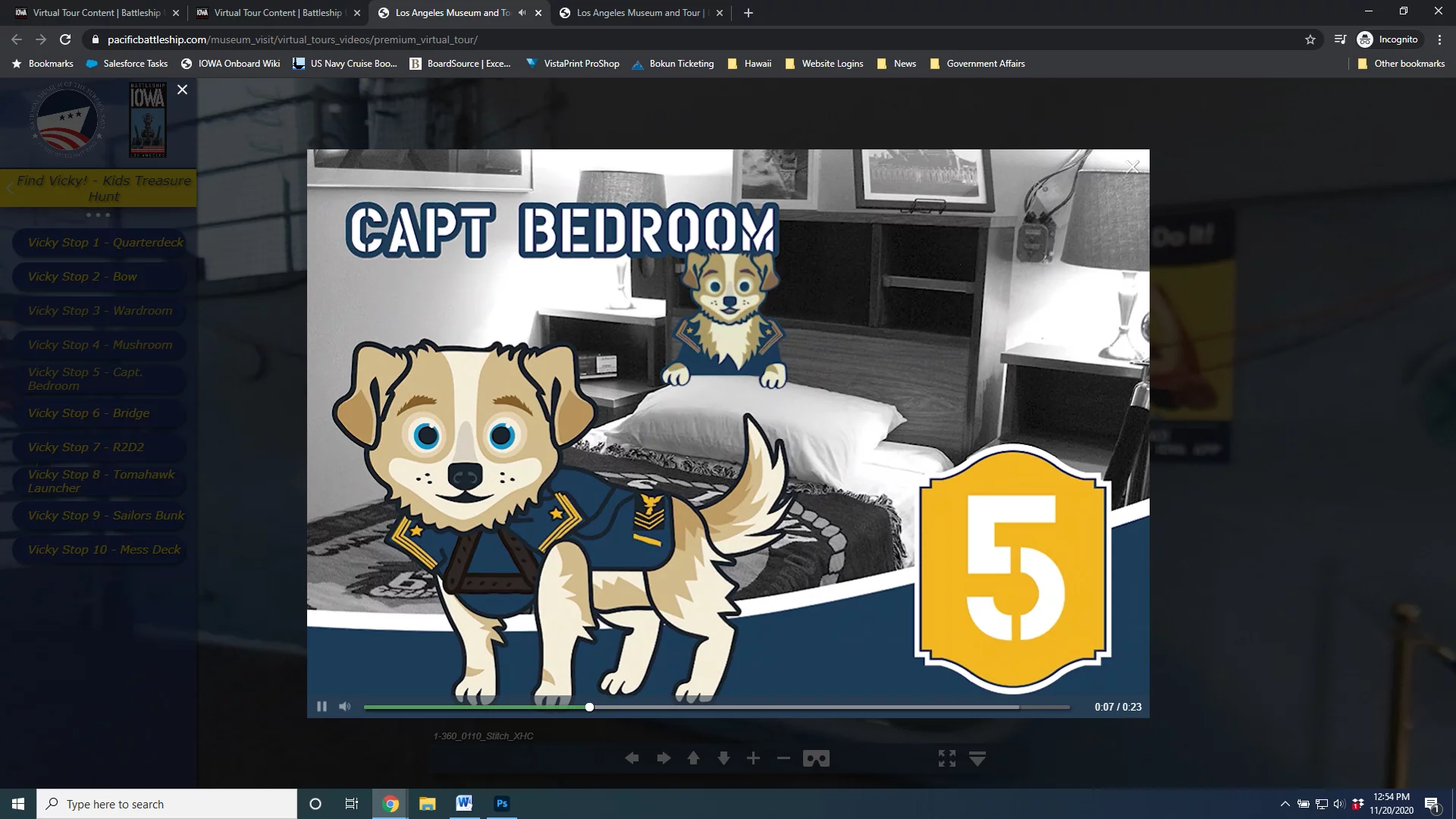
In the all-new Life of a Sailor experience, kids become sailor recruits, building their skills, following the story of a famous sailor, and joining Vicky the Dog on a scavenger hunt through Battleship IOWA.
Kids board free with a paid adult.