You do not need to wait until graduation to start preparing for a maritime career.
You also do not need to know exactly which maritime career you want.
High school is a good time to explore.
The maritime world includes careers at sea, shipbuilding, engineering, skilled trades, ports, logistics, ocean science, technology, and national defense. Many students have not encountered those careers yet.
The U.S. Maritime Administration identifies K-12 education, particularly at the high-school level, as part of building maritime career pathways and recognizes routes through maritime academies, union schools, community colleges, and other training programs.
So the first step is not choosing a career. It is discovering what is out there.
Pay Attention to What Interests You
Career exploration becomes easier when you stop asking, “What am I supposed to be?” and start asking, “What do I like doing?”
Do you like figuring out how machines work? Solving math and science problems? Building things? Working with electronics? Leading a team? Being outdoors? Understanding weather or the ocean? Moving people and equipment efficiently? Working in an environment where everyone depends on each other?
Those interests can point toward very different maritime careers.
Students can develop skills in navigation, engineering, safety, teamwork, communication, and other areas before selecting a specific career. That keeps multiple options open while they learn more about themselves and the industry.
Take Classes That Build Useful Skills
The right classes depend on where your interests are taking you.
Students considering engineering, naval architecture, or technical careers should build a strong foundation in math and science.
Physics can help explain forces, motion, machinery, and ship systems. Mathematics supports navigation, engineering, and technical problem-solving. Computer science and electronics can connect to modern shipboard technology and defense systems.
Students interested in shipyard or technical careers should also look at Career and Technical Education opportunities.
Welding, electrical, machining, automotive technology, robotics, drafting, and other hands-on courses can build skills that transfer directly into maritime environments.
For logistics and port careers, courses in business, economics, technology, and data can also be useful.
There is no single “maritime class” you have to take. Build the skills that support the part of maritime that interests you.
Get Hands-On Experience
Reading about a career is useful. Doing something related to it can be much more revealing.
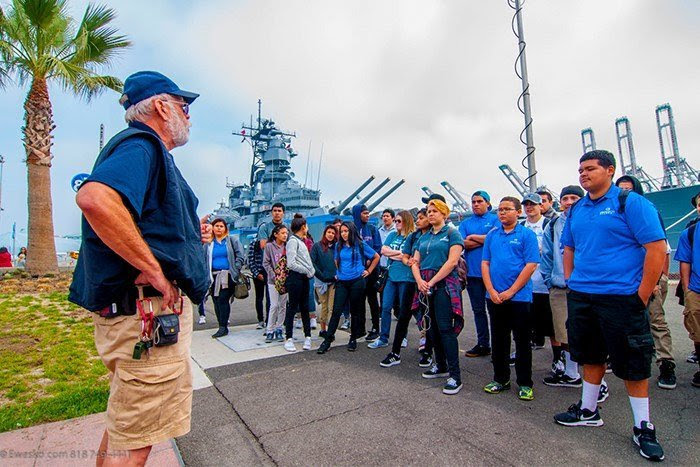
Build something. Repair something. Join a robotics team. Learn basic knots and line handling. Participate in STEM activities. Visit a port. Tour a maritime academy. Spend time aboard ships and boats when opportunities are available.
Experiential learning can help students recognize interests and skills that might otherwise remain abstract. Activities involving buoyancy, navigation, line handling, watchstanding, and engineering challenges are examples of experiences that can reveal what a student enjoys.
You may discover that something you thought would be boring is the part you remember most.
Explore More Than One Career
Do not decide too quickly.
Someone interested in machinery could eventually become a marine engineer, marine electrician, shipyard technician or naval architect.
A student fascinated by the bridge might become a licensed mariner, but could also discover an interest in port operations, navigation technology or maritime security.
That is why it is useful to explore broad skill areas before narrowing your choices.
Your interests will change as you gain experience. They are supposed to.
Learn About Both College and Non-College Routes
One of the biggest mistakes students can make is assuming every good maritime career follows the same educational path.
It does not.
Students interested in careers as licensed officers may explore maritime academies. MARAD supports the U.S. Merchant Marine Academy and six state maritime academies that combine higher education with maritime training.
Other careers may begin through a traditional engineering or science university.
Still others can begin through community college, apprenticeship, union training, technical education, or entry-level employment.
For example, the Seafarers Harry Lundeberg School of Seamanship operates a Department of Labor-registered apprenticeship program for people preparing for careers as U.S. Merchant Mariners.
The best route is the one that matches the occupation.
Talk to People Who Actually Do the Work
This may be one of the most valuable things you can do.
Job descriptions tell you what a career is supposed to be. People working in the industry can tell you what it is actually like.
Ask how they got started. Ask what they wish they had known in high school. Ask what training helped them. Ask what employers look for. Ask what they like and dislike about their work.
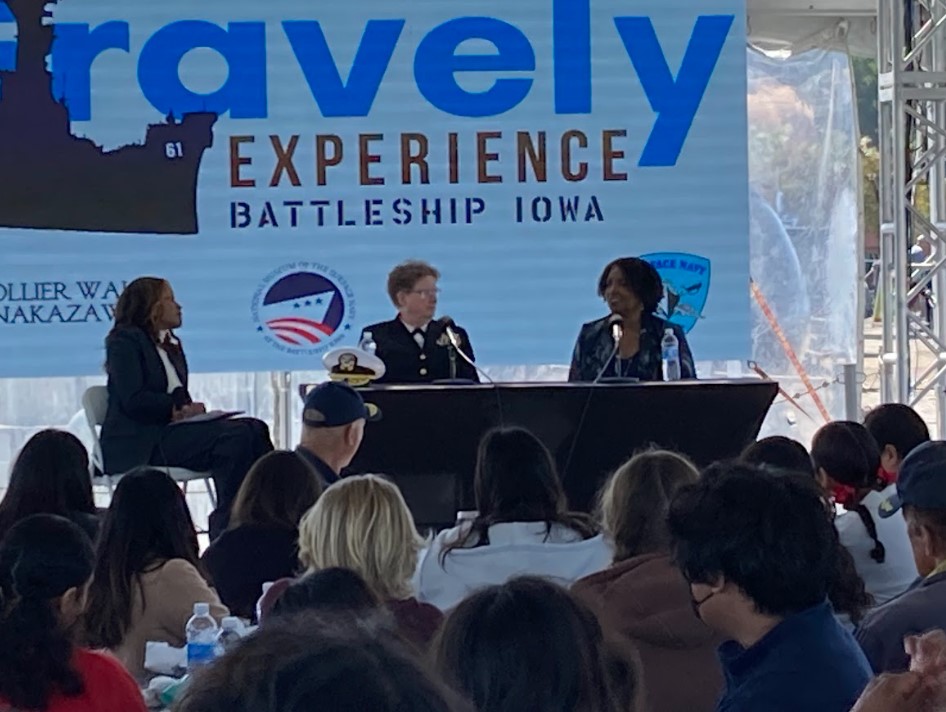
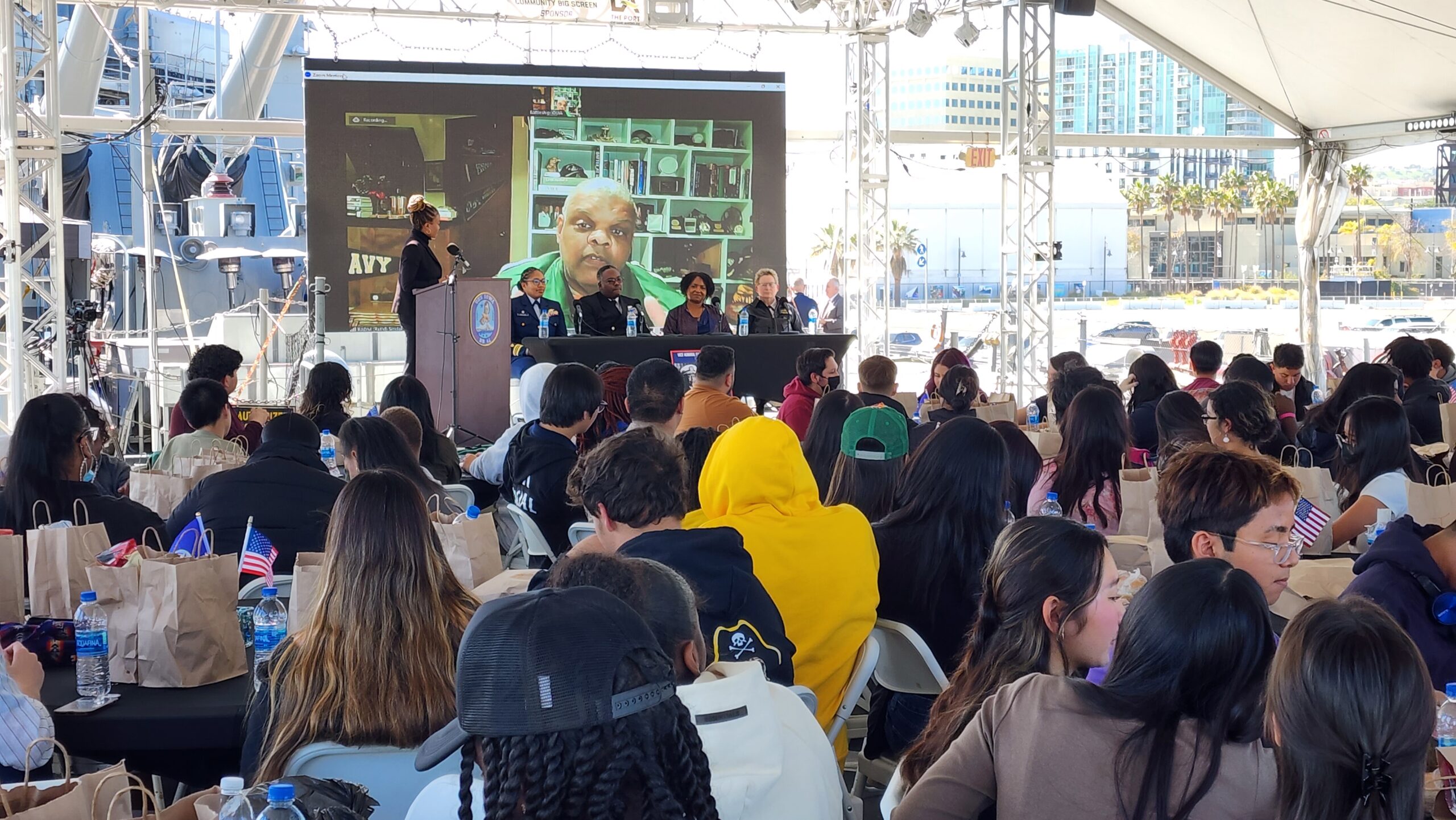
Career fairs, maritime events, professional organizations, school visits, internships, and mentoring programs can all create those connections.
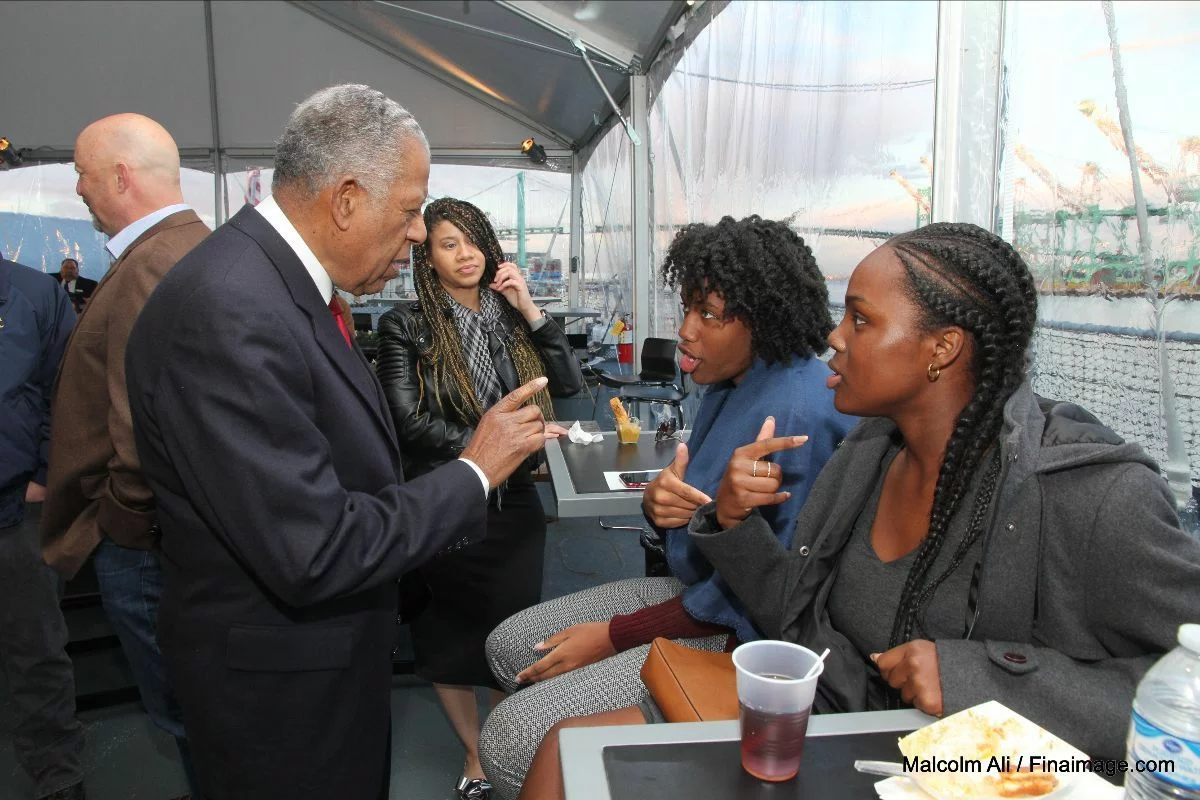
That is also why hearing directly from mariners, engineers, tradespeople, port professionals, and other maritime workers is an important part of career exploration.
Build Experience You Can Document
As you participate in programs, keep track of what you actually did.
Do not simply write, “Attended STEM program.” What did you build? What problem did you solve? Did you work on a team? Did you use tools? Did you make a presentation? Did you learn navigation? Did you participate in a safety drill? Did you lead other students?
Those details eventually become useful for college applications, apprenticeship applications, internships, and job interviews.
A strong pathway record treats activities as evidence of skills developed over time rather than simply recording attendance.
Even if you are not part of a formal pathway program, you can adopt the same idea yourself. Keep a record of what you have learned and done.
Look for Internships, Job Shadows and Career Events
As you get older, begin looking for opportunities to see maritime work in real environments.
That might include an internship with a port, shipyard, engineering firm, or maritime organization.
It could mean spending a day observing someone at work.
It could mean attending a career and resource fair where you can meet colleges, apprenticeship programs, and employers in one place.
The purpose is not simply to collect activities for a resume. It is to test your assumptions.
You may think you want to work aboard a ship until you learn about naval architecture. You may plan to become an engineer and discover that you love hands-on electrical work. You may walk into a port terminal and suddenly understand what a career in logistics actually looks like.
That discovery is valuable.
Do Not Rush Into Credentials You Do Not Need Yet
Students researching maritime careers will quickly encounter terms such as MMC, STCW, and TWIC.
Learn what they mean, but do not assume you need to obtain every credential immediately.
Credentials are tied to specific jobs and circumstances.
For example, TWIC is a security credential for access to certain secure maritime facilities and vessels. Merchant Mariner Credentials are part of the Coast Guard’s professional credentialing system for mariners. STCW requirements apply to particular types of maritime service.
Choose the career first. Then determine what that career requires.
Your First Maritime Experience Can Matter
A student can live near one of the busiest port complexes in the country and still never consider a career in maritime.
Ships can become part of the background.
Then something changes.
You walk onto a ship. You stand on the bridge. You see the machinery. You hear how a crew lived and worked together.
And suddenly the maritime world becomes something people actually do rather than something you see from the freeway or read about in a textbook.
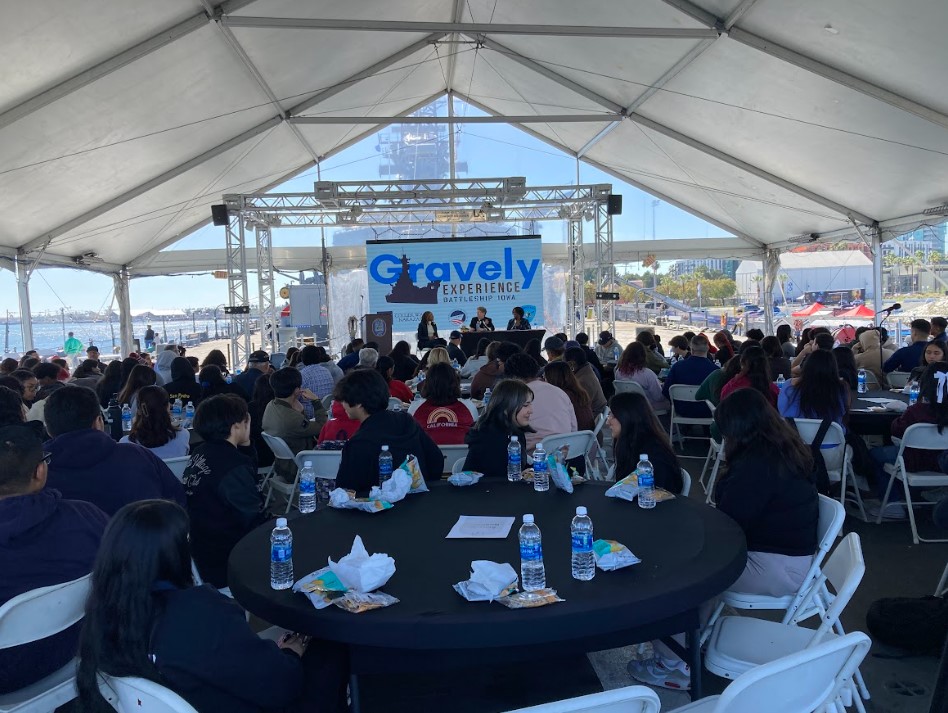
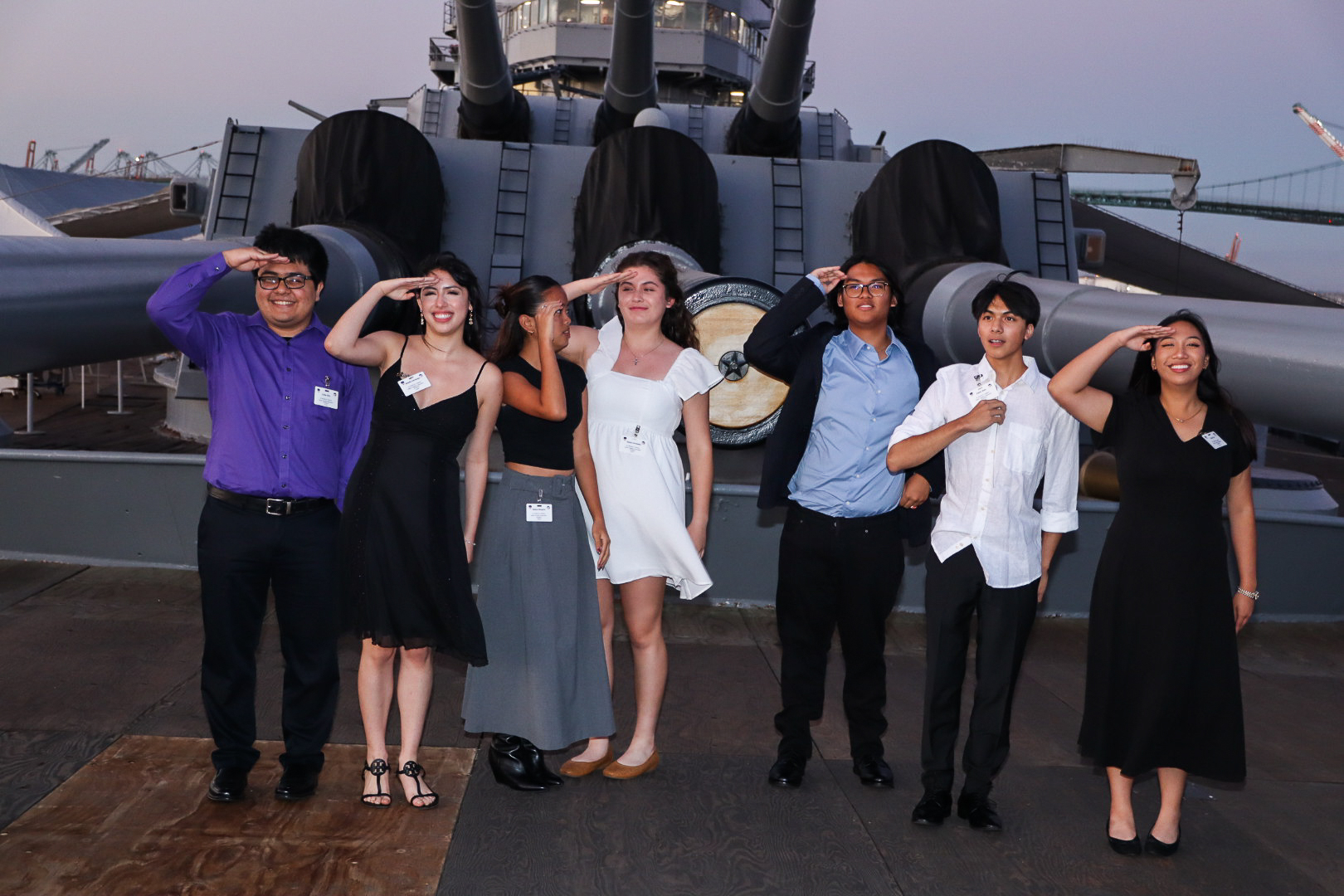
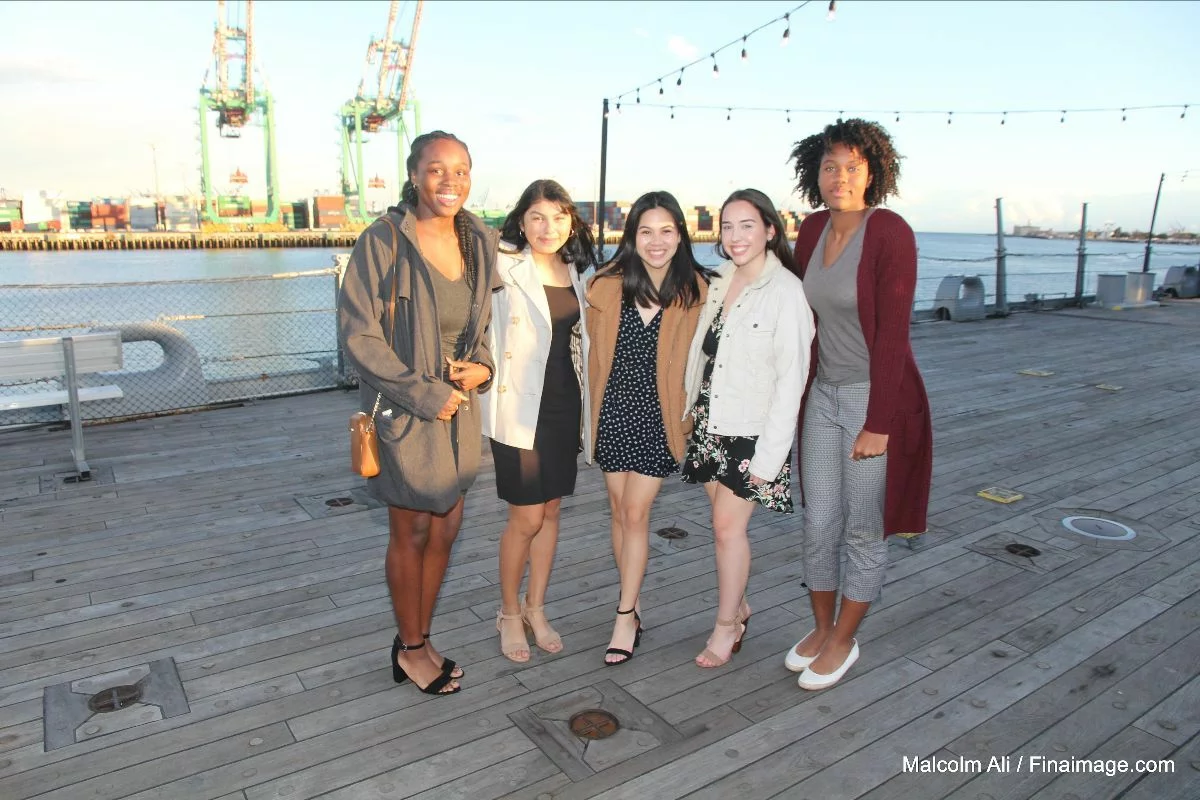
That is one of the opportunities a visit aboard Battleship IOWA can create.
You do not have to leave knowing what career you want. Leave with questions.
Then start exploring where those questions can take you.
Editorial Sources and References
- U.S. Maritime Administration – Maritime Career Pathways: https://www.maritime.dot.gov/maritime-workforce/maritime-career-pathways
- U.S. Maritime Administration – Maritime Education: https://www.maritime.dot.gov/maritime-workforce/maritime-education
- Seafarers Harry Lundeberg School of Seamanship – Apprentice Program: https://www.seafarers.org/training-and-careers/admissions/apprentice-program-overview/
- U.S. Coast Guard National Maritime Center – TWIC: https://www.dco.uscg.mil/nmc/twic/
- U.S. Coast Guard National Maritime Center – Merchant Mariner Credential: https://www.dco.uscg.mil/nmc/merchant_mariner_credential/
- Internal source note: The pathway framing and Battleship IOWA student-experience connections draw from the CHARTED Pathway Master Deck (July 2026).
The Broadside – October 2026
The Broadside IOWA crew newsletter for October 2026
Life of a Sailor: Fire Control Brings Battleship IOWA’s Gun Plot Back to Life
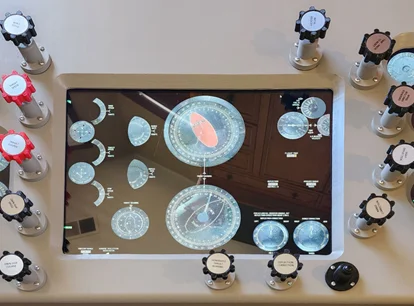
Step into Battleship IOWA’s new Life of a Sailor: Fire Control experience and work as a crew to operate the systems behind the ship’s massive 16-inch guns.
A Los Angeles Museum Unlike Any Other
A Los Angeles Museum Unlike Any Other Battleship IOWA, home of the National Museum of the Surface Navy, offers one of the most distinctive museum experiences in Los Angeles. Located […]
Freedom of the Seas Tickets
Join us aboard Battleship IOWA to honor those advancing freedom of the seas. Tickets are limited; an interest list will be available if the event sells out.