
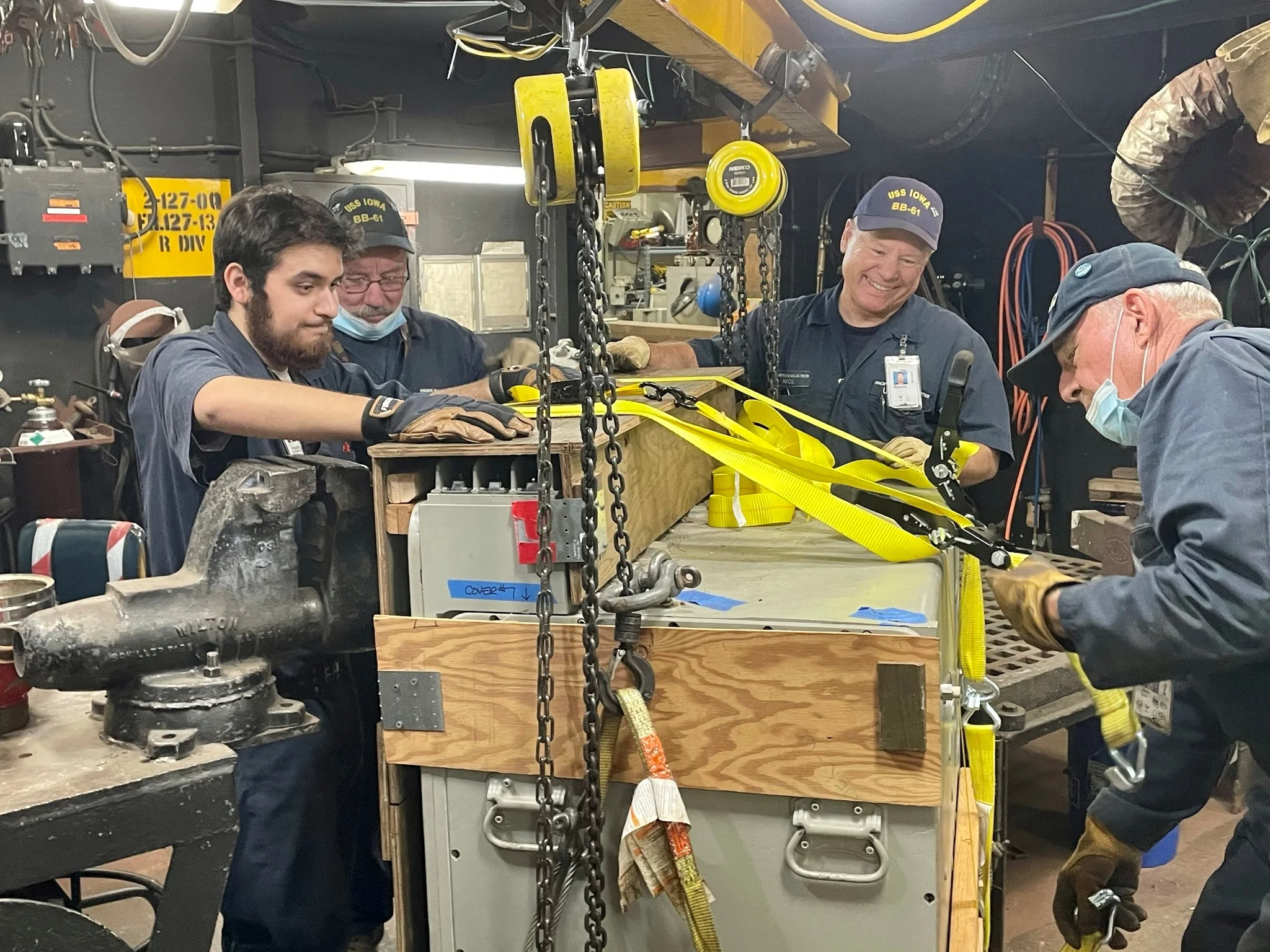
The maritime industry is much larger than working aboard a ship.
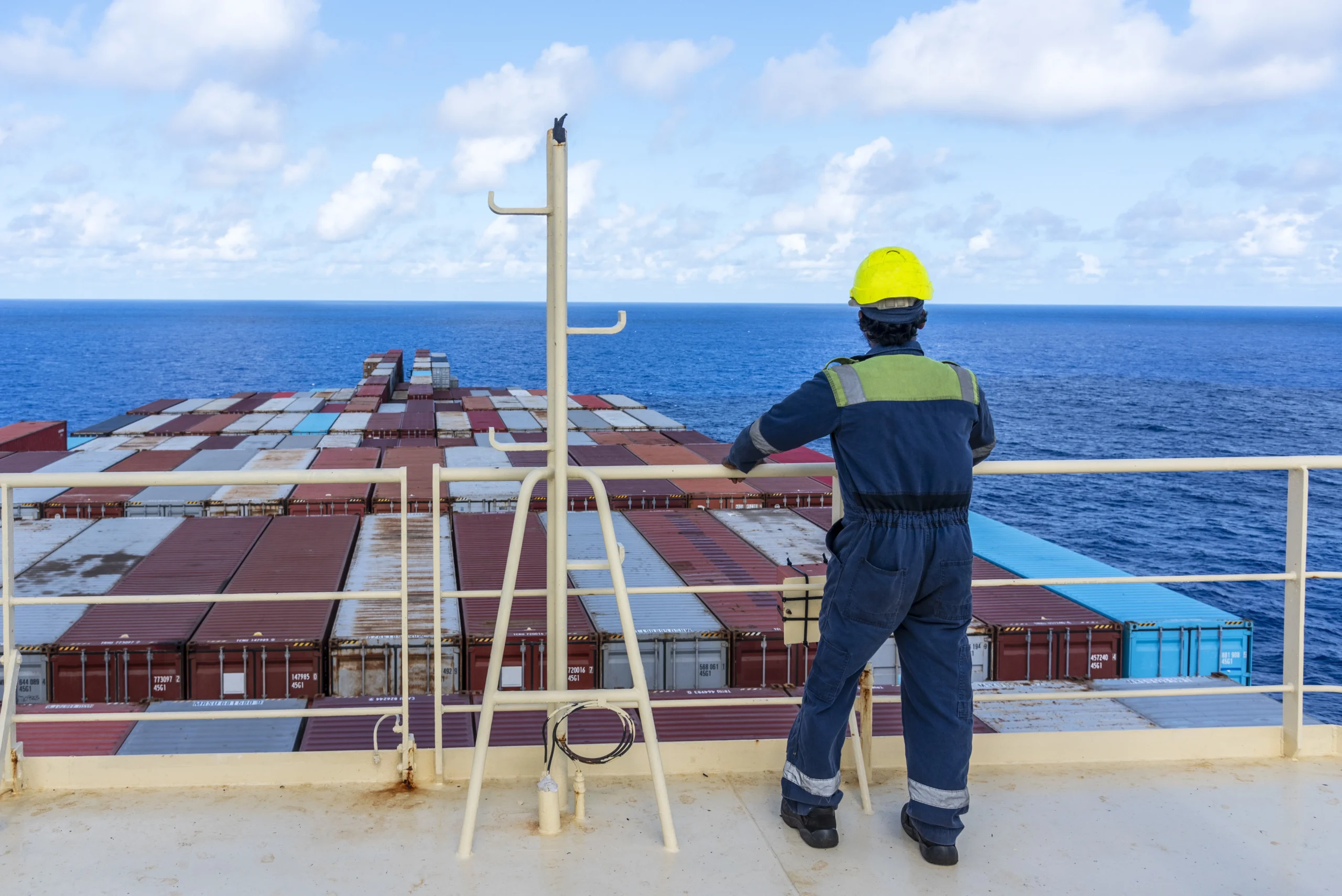
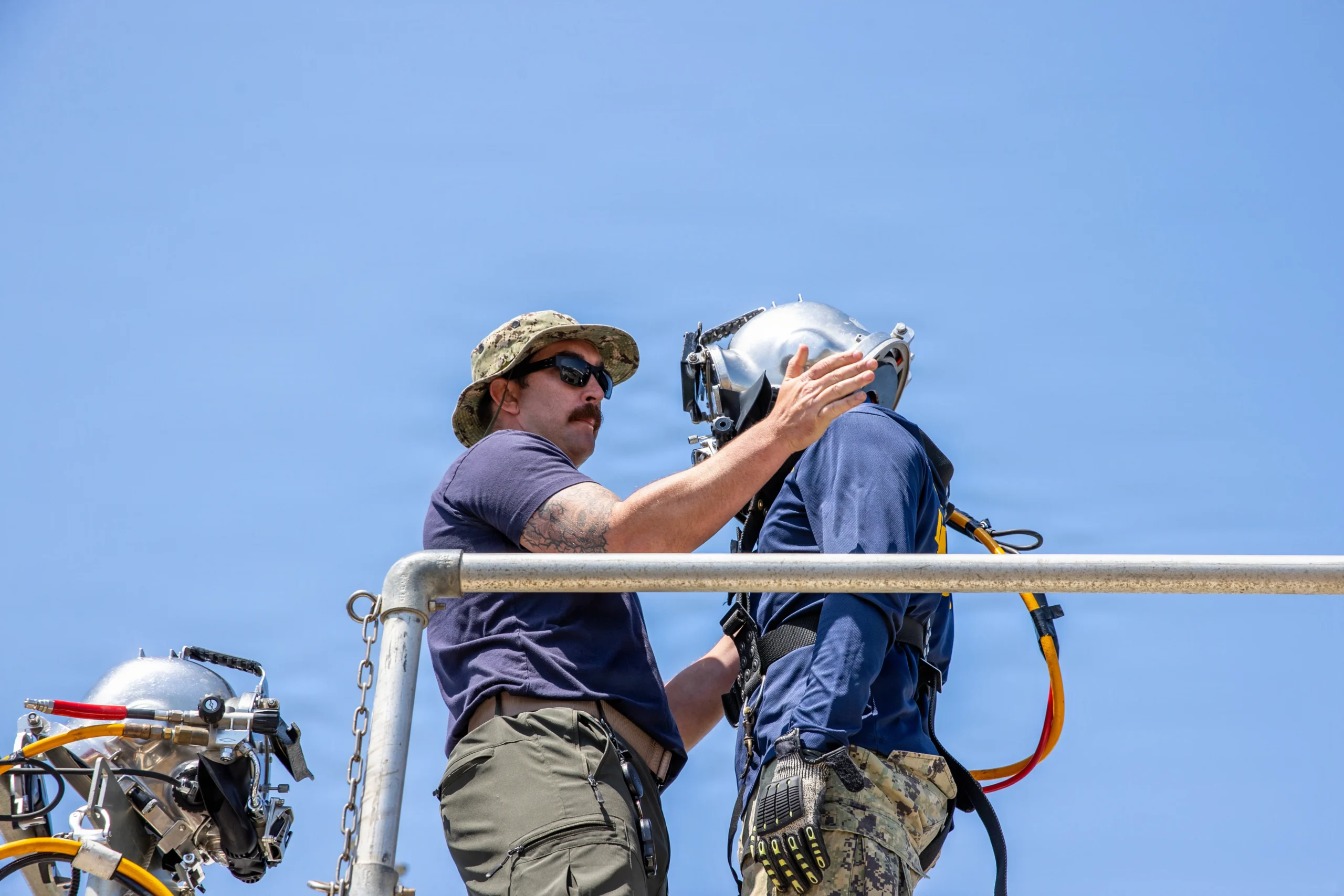
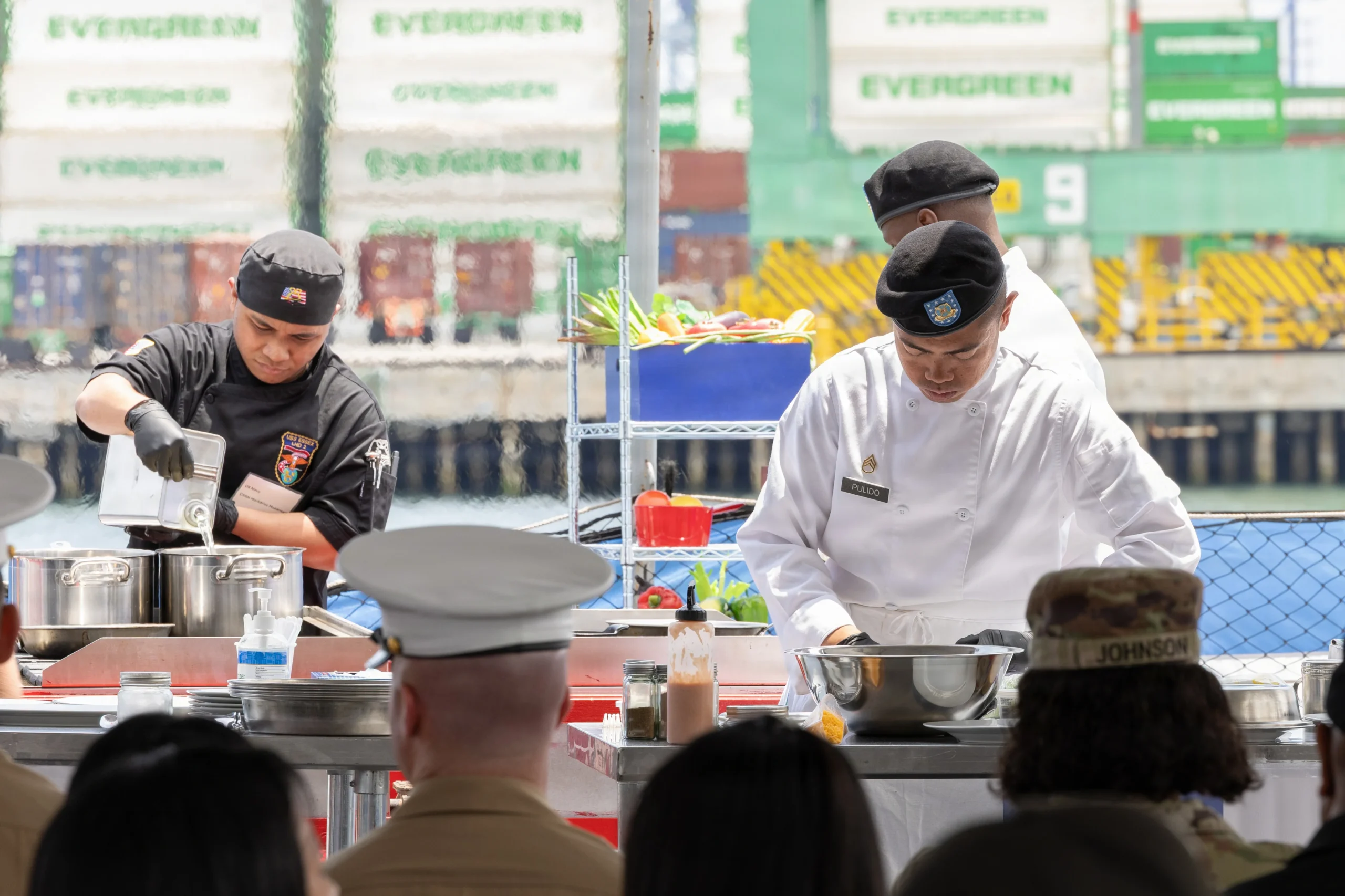
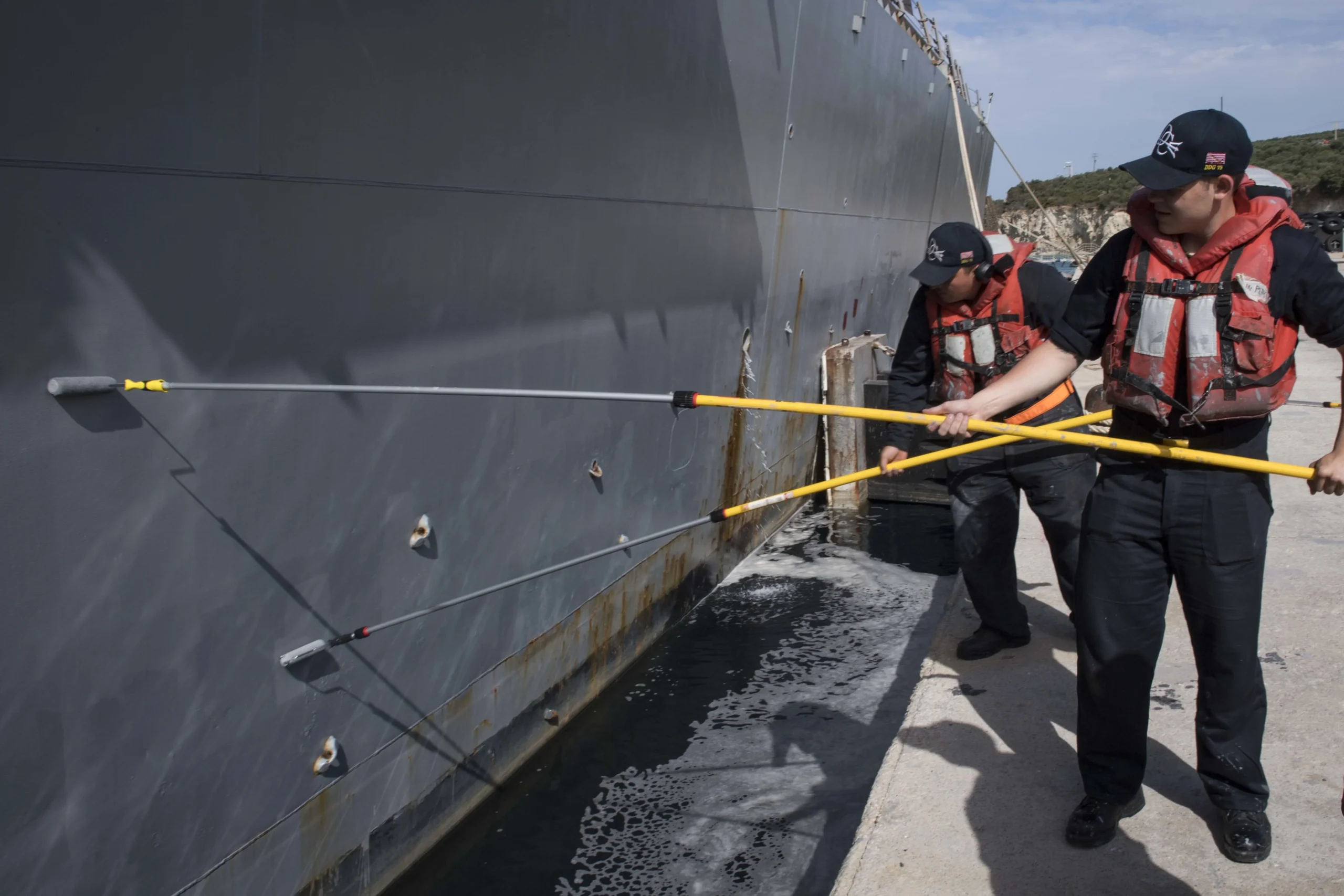
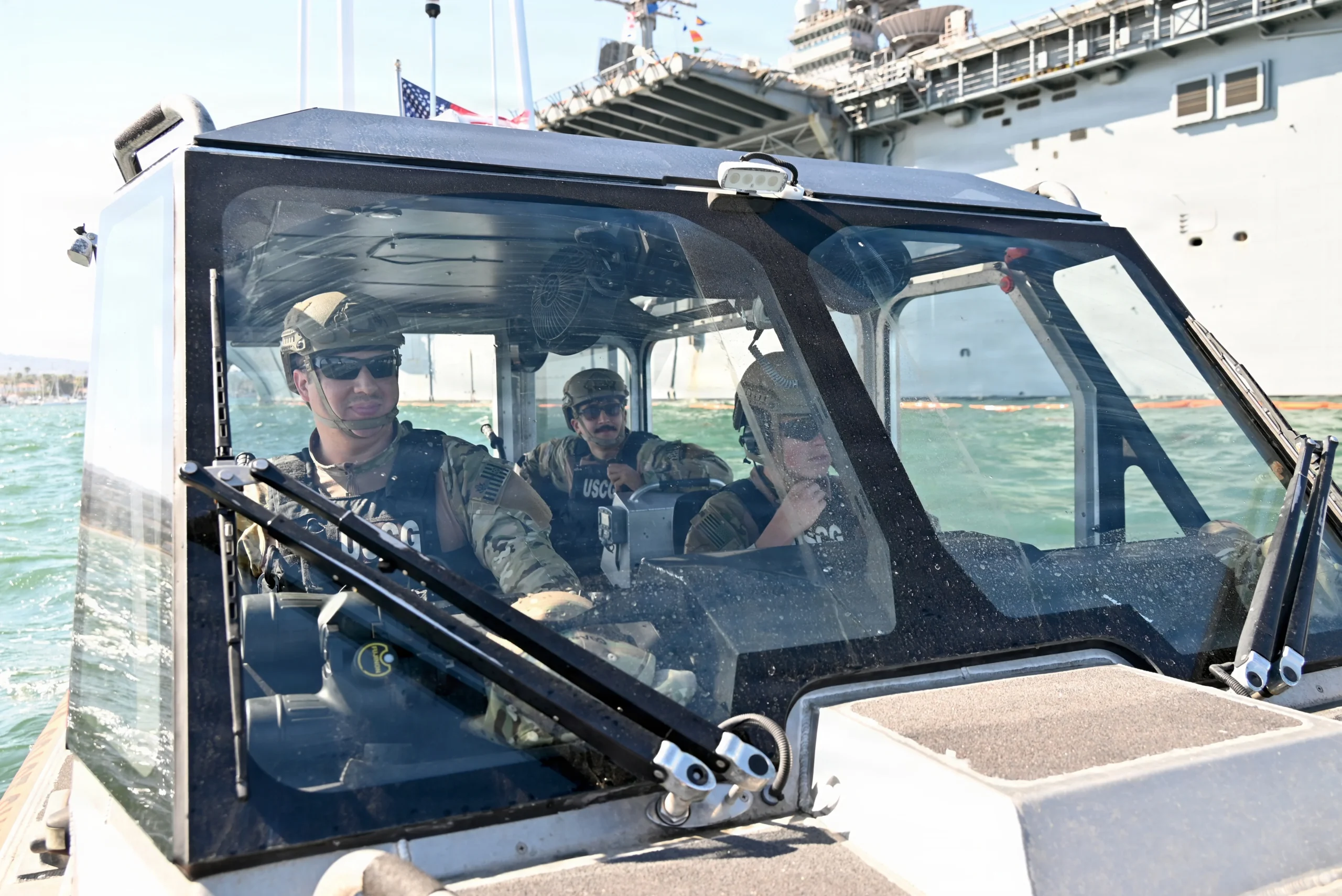
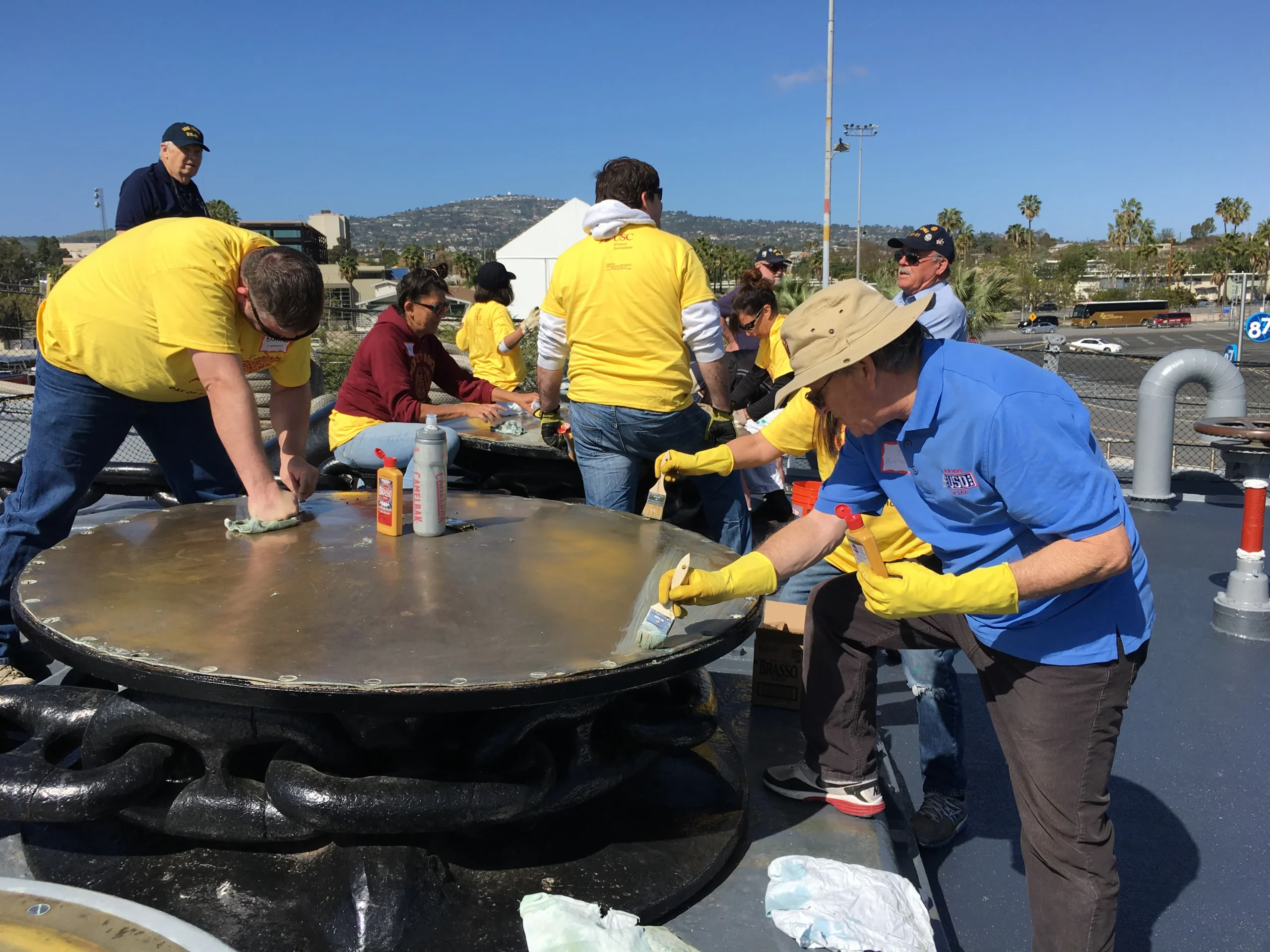
Maritime careers include navigating and operating vessels, maintaining engines, building and repairing ships, designing new vessels, moving cargo through ports, managing global supply chains, studying the ocean, developing advanced technology, and supporting national defense.
That variety also means there is no single way to begin a maritime career.
Some careers require a four-year degree. Others begin with an apprenticeship or technical training. Some people enter the industry directly and build experience while working. Others gain maritime skills through military service and later transition into civilian careers.
The right path depends on where you want to go.
Start With What Interests You
Before choosing a college, training program, or apprenticeship, it helps to understand what part of the maritime world interests you.
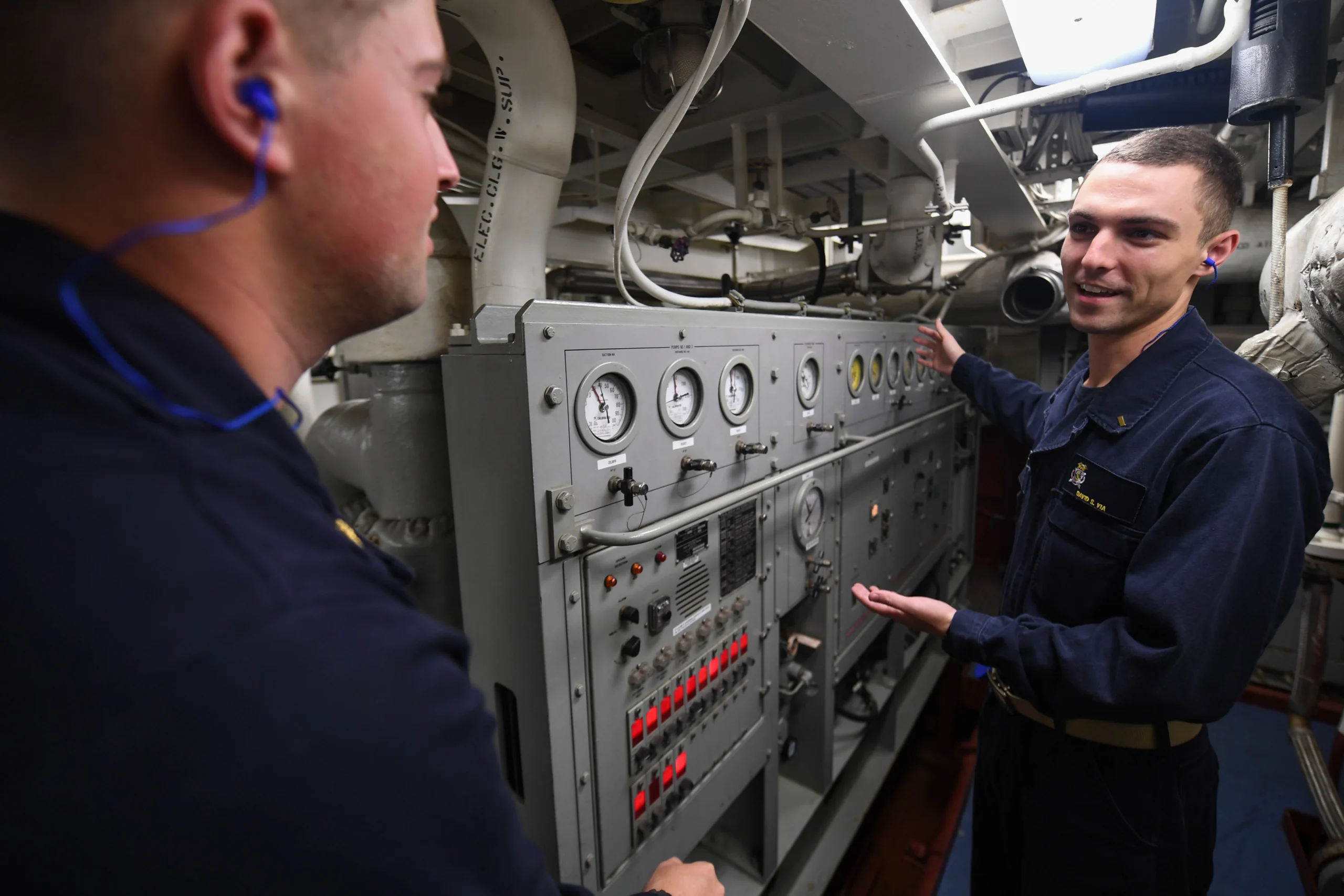
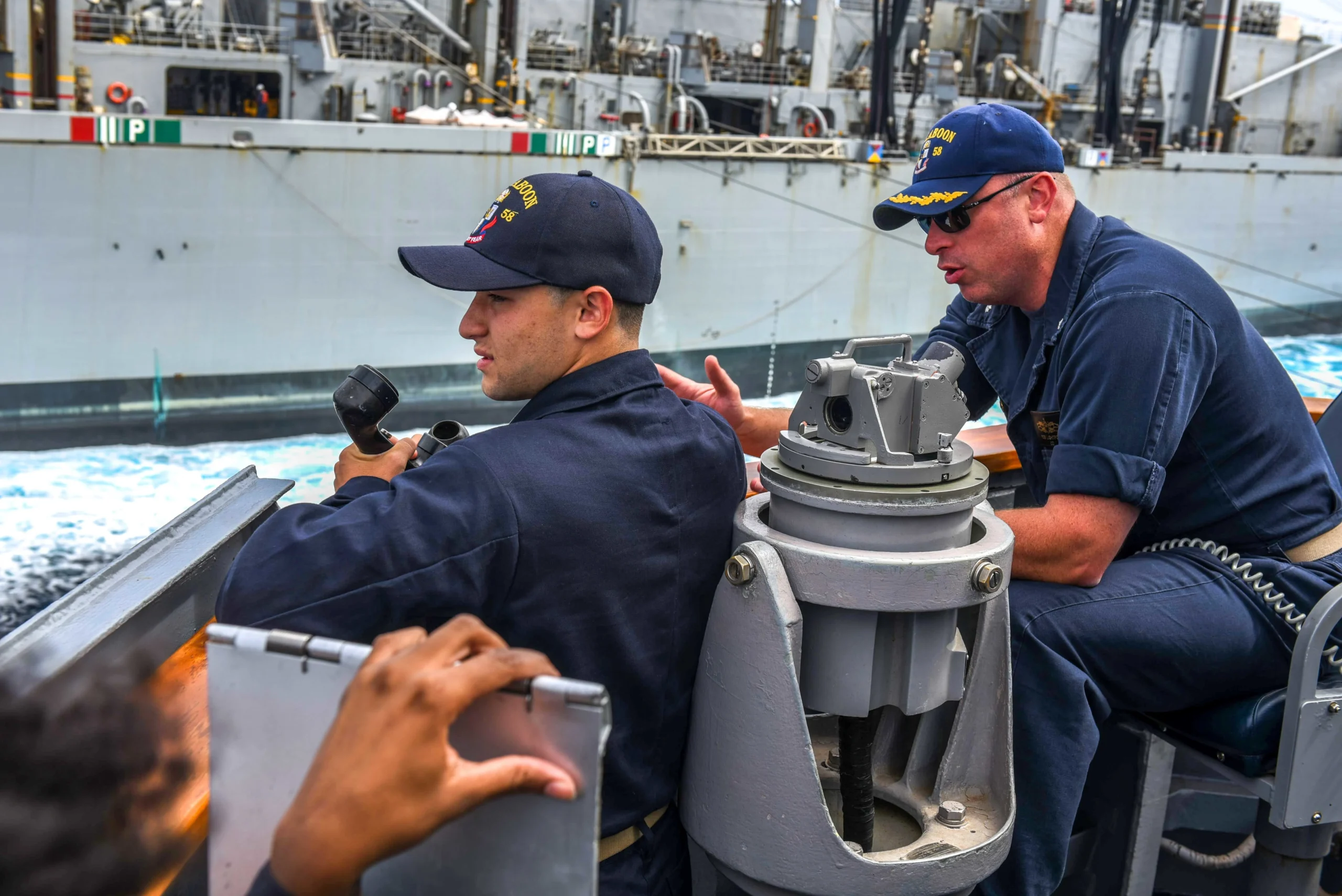
If you were fascinated by the bridge aboard Battleship IOWA, you could explore careers involving navigation and vessel operations. If you were more interested in machinery and engineering spaces, marine engineering or skilled trades may be a better fit.
Other students may be drawn to electronics, defense systems, ship design, ocean science, or the enormous logistics network surrounding ports.
That is one reason career exploration matters before choosing a specific education path. Skills developed through navigation, engineering, safety, teamwork, documentation, and other hands-on experiences can connect to multiple possible maritime careers rather than locking someone into a single occupation.
Going to a Maritime Academy
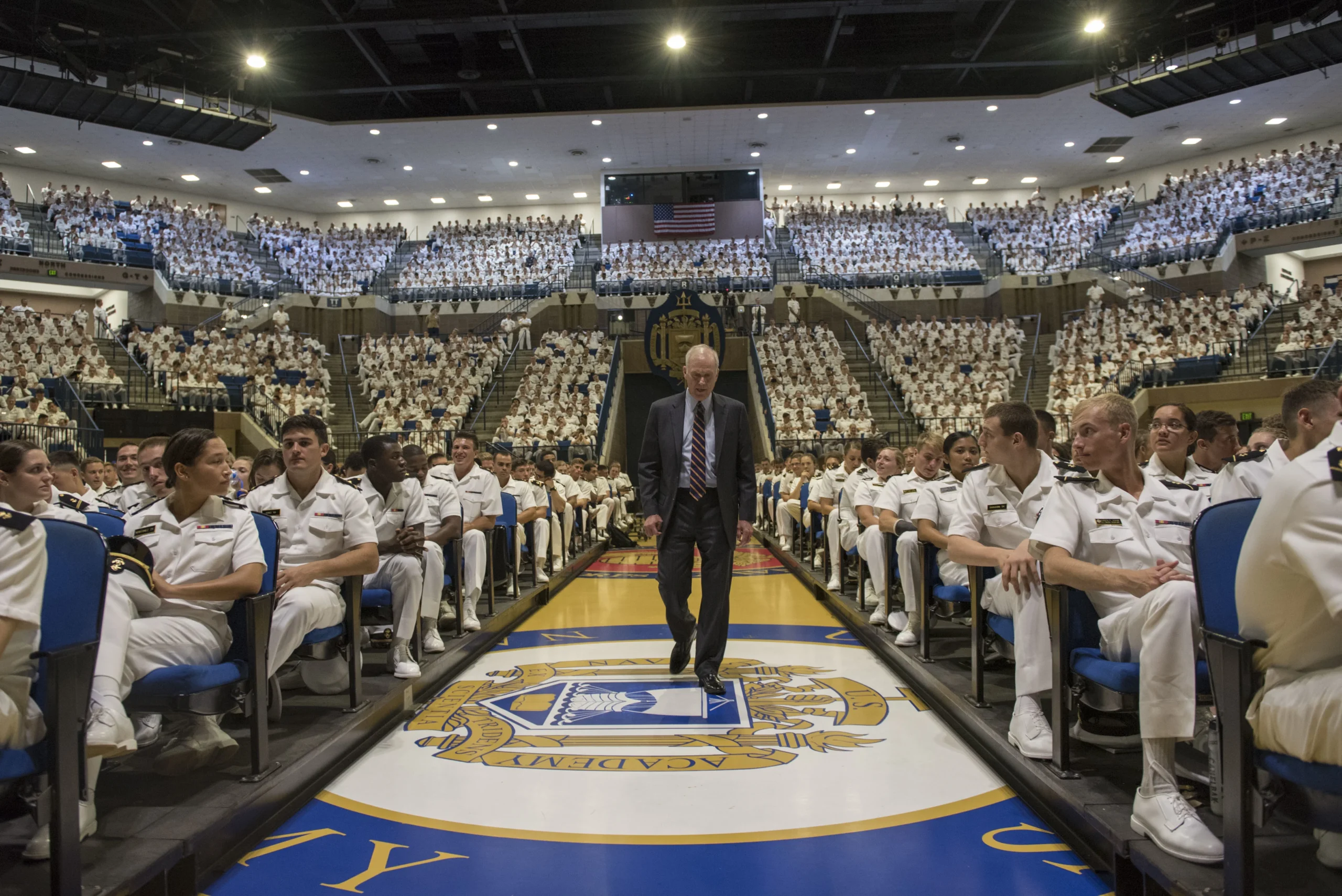
For students seeking a college degree combined with professional maritime training, a maritime academy can offer a direct route into the industry.
The U.S. Maritime Administration supports the U.S. Merchant Marine Academy and six state maritime academies. These institutions prepare students for careers in the Merchant Marine, transportation and related fields, and many programs provide the academic and sea training required to pursue U.S. Coast Guard officer credentials.
Maritime academies are particularly relevant for students interested in becoming licensed deck or engineering officers, but maritime education extends well beyond those occupations.
Depending on the school, students may study marine transportation, marine engineering, naval architecture, logistics, business, security, or related subjects.
A maritime academy is not automatically the best route for every student. It is one option among several.
Going to a Traditional College or University
Many maritime careers are also reached through traditional colleges and universities.
A student interested in naval architecture may study naval architecture, ocean engineering, or another engineering discipline. Someone interested in maritime logistics might pursue supply chain management, transportation, or business. Ocean science careers may begin with marine biology, oceanography, environmental science or atmospheric science.
Defense and maritime technology careers can involve mechanical, electrical, nuclear, computer, or systems engineering.
In these fields, the important question is often not simply, “Should I go to college?” It is: What education does the career I am considering actually require?
That is a much better place to start.
Apprenticeships and Skilled-Trade Training
College is not the only route into the maritime industry.
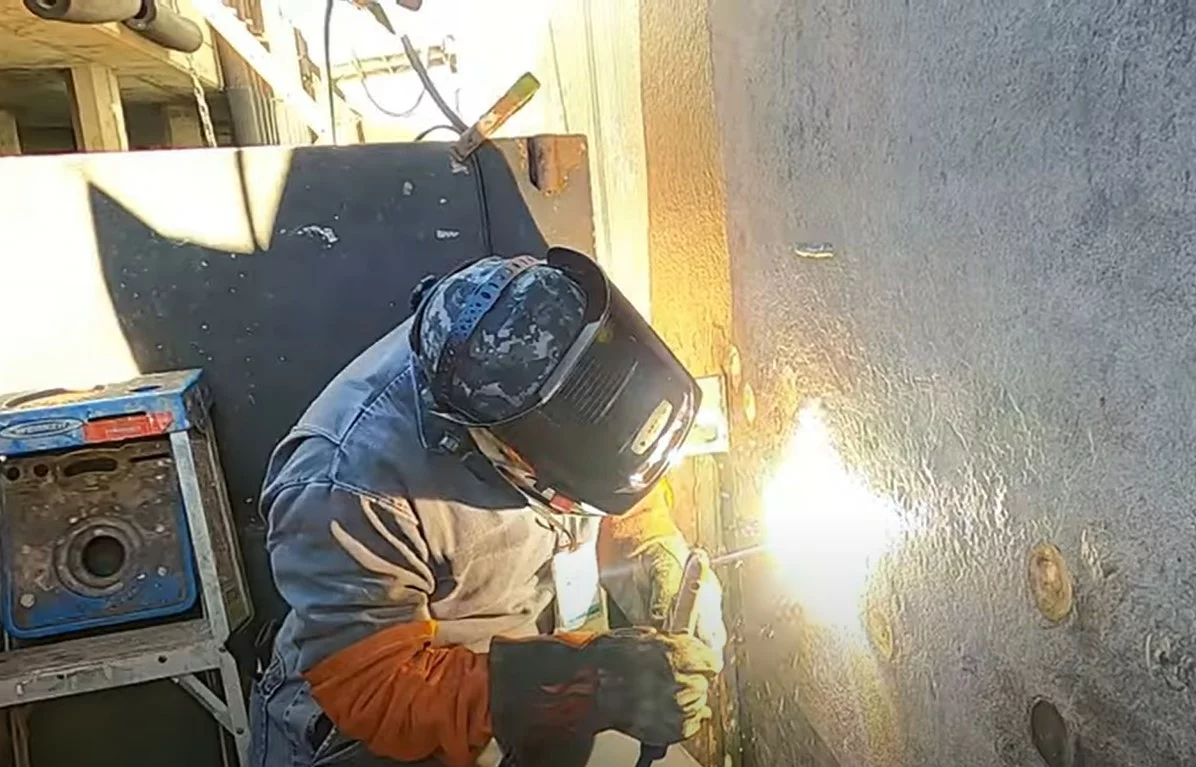
Shipyards and maritime companies need electricians, welders, pipefitters, machinists, riggers, mechanics, and other skilled workers. Many of these careers can begin through apprenticeships, union training, community colleges, or technical programs rather than a traditional four-year degree.
An apprenticeship is especially attractive for students who prefer learning by doing. Apprentices typically combine classroom or technical instruction with supervised work experience while progressing toward higher levels of skill.
Maritime-specific programs also exist. The Seafarers Harry Lundeberg School of Seamanship, for example, operates a U.S. Department of Labor-registered apprentice program designed to prepare people for careers as U.S. Merchant Mariners.
Starting at Entry Level and Working Your Way Up
Some maritime careers allow people to enter at a relatively junior level and advance through experience, training, and additional credentials.
Military Sealift Command, for example, recruits entry-level civilian mariners into its deck, engine, and supply departments. Entry-level deck and engine employees can gain work experience and training that may make them eligible to advance to higher-rated positions.
This type of progression is common in parts of the maritime industry.
Someone might begin as an Ordinary Seaman and later qualify as an Able Seaman. An entry-level engine department employee may advance through engineering ratings and, with the required sea service, training, and licensing, pursue officer-level credentials.
The important point is that your first maritime job does not necessarily determine where you finish.
Military Service Can Also Build Maritime Skills
The Navy, Coast Guard, and other military services can provide extensive experience with ships, engineering, navigation, logistics, electronics, safety, leadership, and technical systems.
Those skills can be valuable when transitioning into civilian maritime employment.
However, military experience does not always translate automatically into a civilian job title or credential. A veteran may still need to document sea service, complete specific training, or obtain civilian certifications.
The U.S. Maritime Administration identifies Military to Mariner as one of the pathways into the maritime workforce, alongside maritime academies, union schools, and community-college programs.
What About Maritime Credentials?
Credentials depend heavily on the job.
Someone working in a shipyard, designing ships, or managing supply chains will have very different requirements from someone sailing aboard a commercial vessel.
For many U.S. merchant mariners, the U.S. Coast Guard Merchant Mariner Credential, or MMC, is central to working aboard qualifying vessels. Depending on the position and vessel, international STCW requirements may also apply.
A Transportation Worker Identification Credential, commonly called TWIC, is used for unescorted access to secure areas of regulated maritime facilities and vessels and is also associated with U.S. Coast Guard-credentialed mariners. It is an access credential, however, not a maritime skill or career qualification by itself.
That is why it makes more sense to learn about credentials as part of the career you are pursuing instead of collecting certifications without knowing where they lead.
How Do You Decide Which Path Is Right for You?
Start with the career, not the school.
Learn what people actually do in that occupation. Look at the required education or training. Find out whether employers value a degree, apprenticeship, license, certification, or experience.
Then compare your options.
A student interested in designing ships may need a very different educational plan from someone who wants to weld them. Someone interested in commanding a vessel has a different path from someone interested in operating a container terminal.
All four are maritime careers.
Your First Step May Be Exploration
You do not need to know your final career while you are still in school.
Explore.
Walk through engineering spaces. Stand on a bridge. Talk with people who work in the industry. Attend career fairs. Visit maritime schools. Look at apprenticeships. Ask employers what they actually look for when hiring.
If your visit aboard Battleship IOWA made you wonder what it would be like to work around ships, in ports, in engineering, or on the ocean, that curiosity is already a useful first step.
The next one is finding out where it can take you.
Editorial Sources and References
Review these references for current program, credential, and eligibility requirements before publication.
- U.S. Maritime Administration – Maritime Career Pathways: https://www.maritime.dot.gov/maritime-workforce/maritime-career-pathways
- U.S. Maritime Administration – Maritime Education: https://www.maritime.dot.gov/maritime-workforce/maritime-education
- Seafarers Harry Lundeberg School of Seamanship – Apprentice Program: https://www.seafarers.org/training-and-careers/admissions/apprentice-program-overview/
- Military Sealift Command – Entry Level: https://sealiftcommand.com/departments/entry-level
- U.S. Coast Guard National Maritime Center – Merchant Mariner Credential: https://www.dco.uscg.mil/nmc/merchant_mariner_credential/
- U.S. Coast Guard National Maritime Center – TWIC: https://www.dco.uscg.mil/nmc/twic/
The Broadside – October 2026
The Broadside IOWA crew newsletter for October 2026
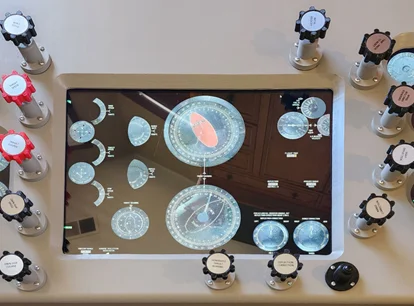
Life of a Sailor: Fire Control Brings Battleship IOWA’s Gun Plot Back to Life
Step into Battleship IOWA’s new Life of a Sailor: Fire Control experience and work as a crew to operate the systems behind the ship’s massive 16-inch guns.
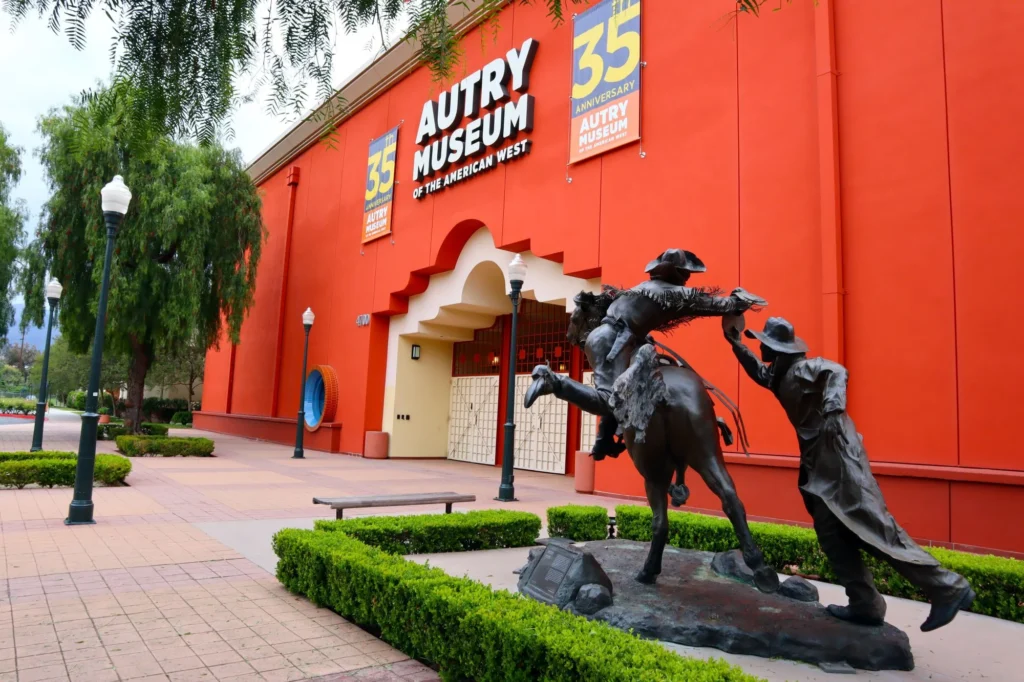
A Los Angeles Museum Unlike Any Other
A Los Angeles Museum Unlike Any Other Battleship IOWA, home of the National Museum of the Surface Navy, offers one of the most distinctive museum experiences in Los Angeles. Located […]
Freedom of the Seas Tickets
Join us aboard Battleship IOWA to honor those advancing freedom of the seas. Tickets are limited; an interest list will be available if the event sells out.