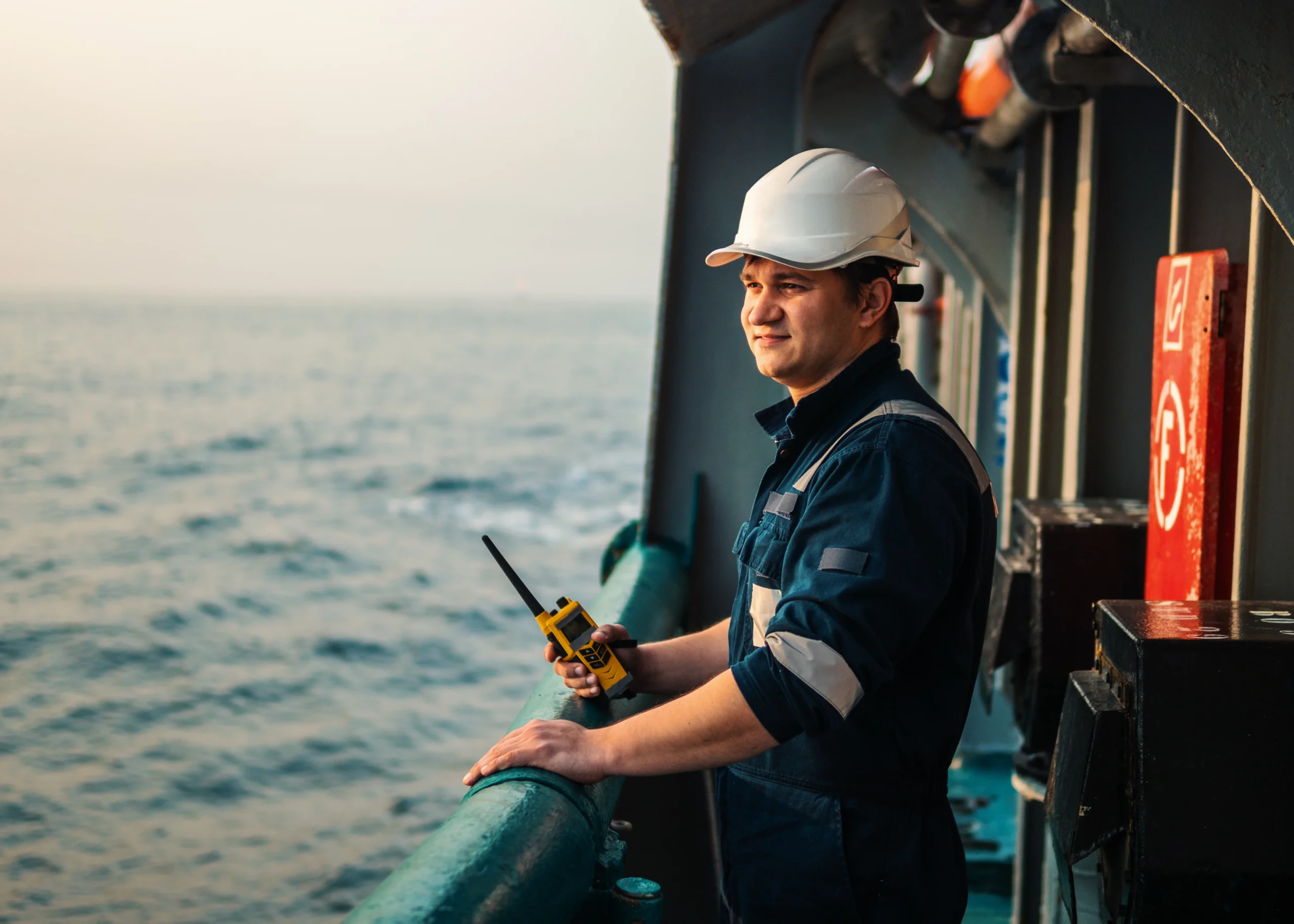
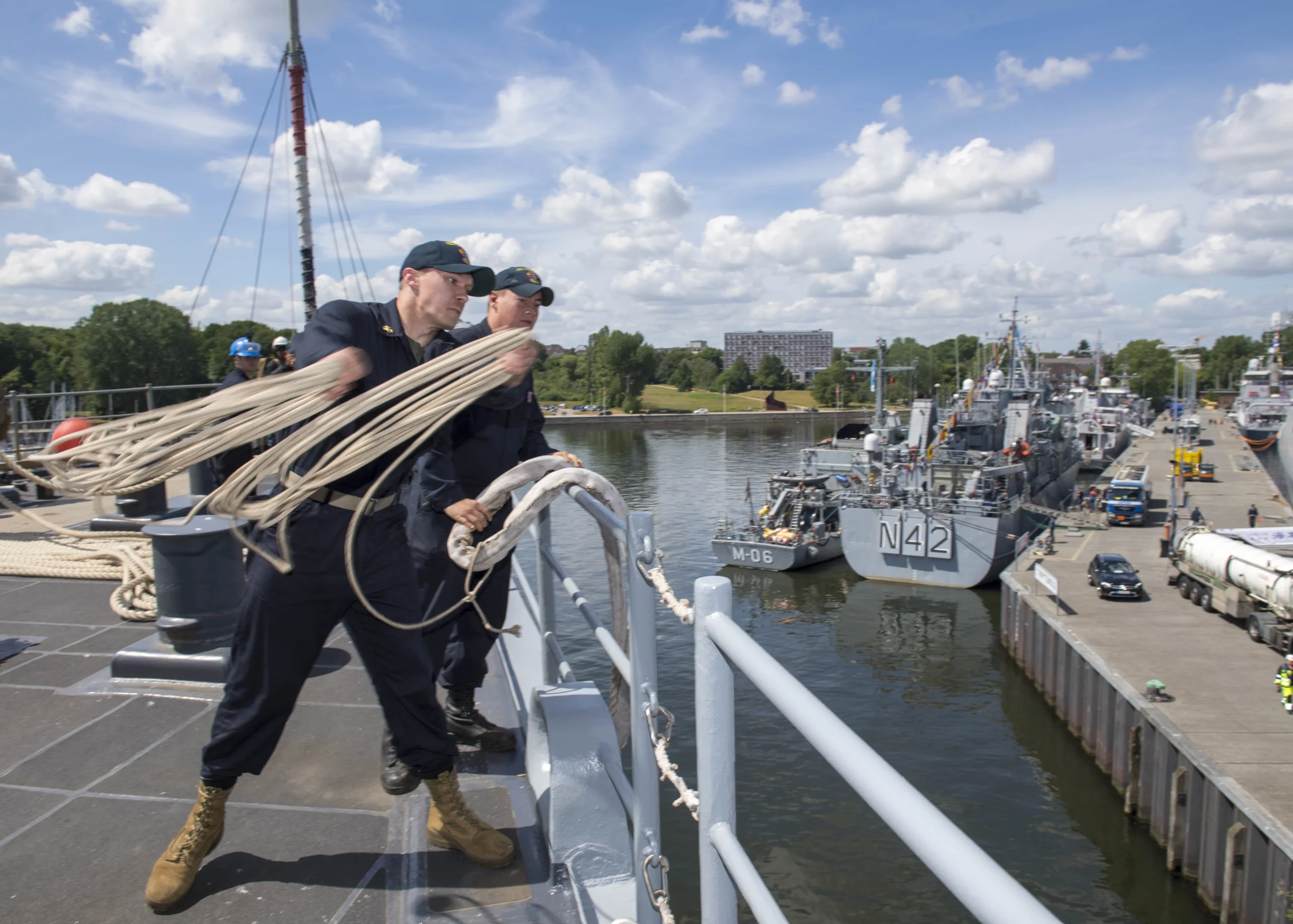
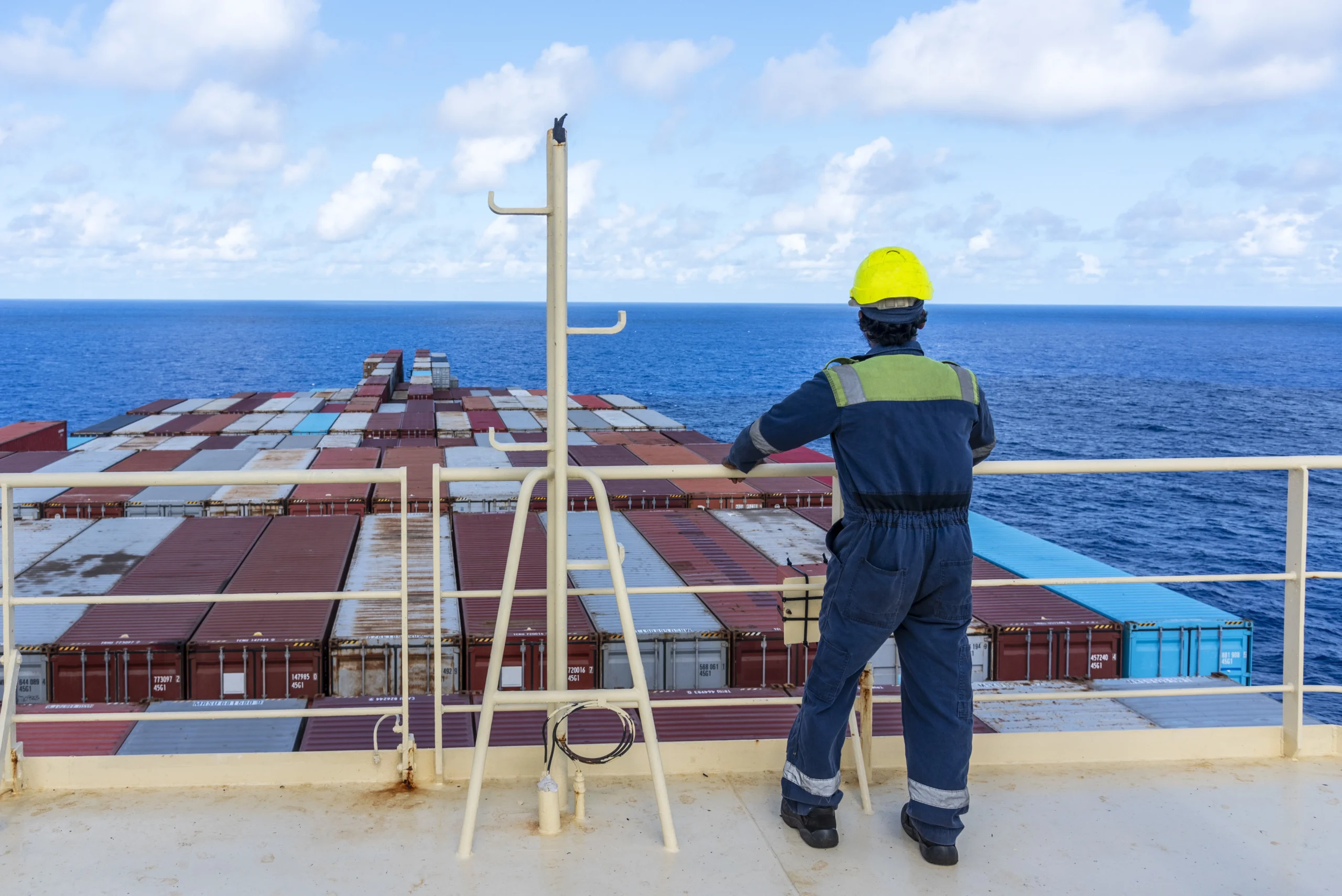
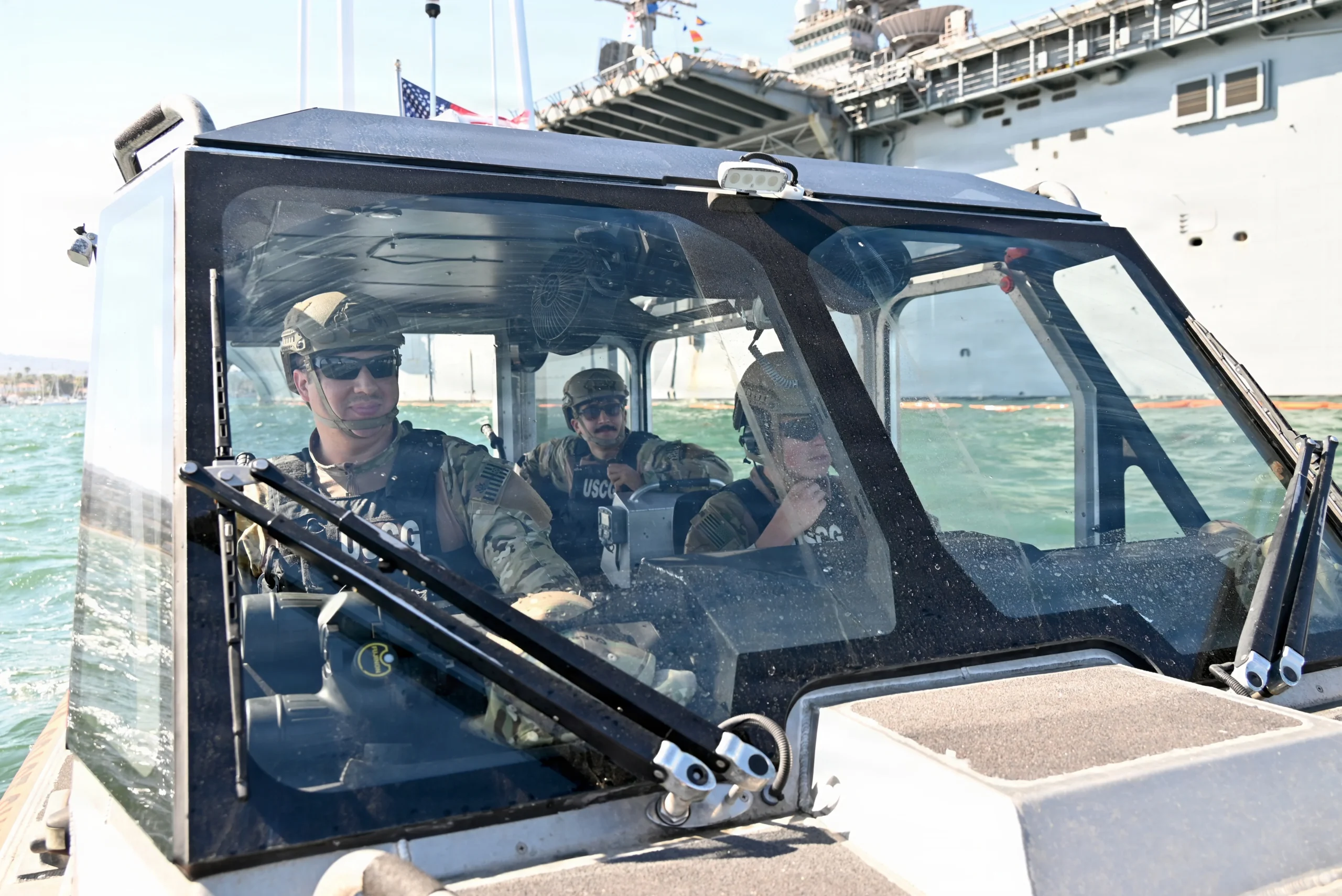
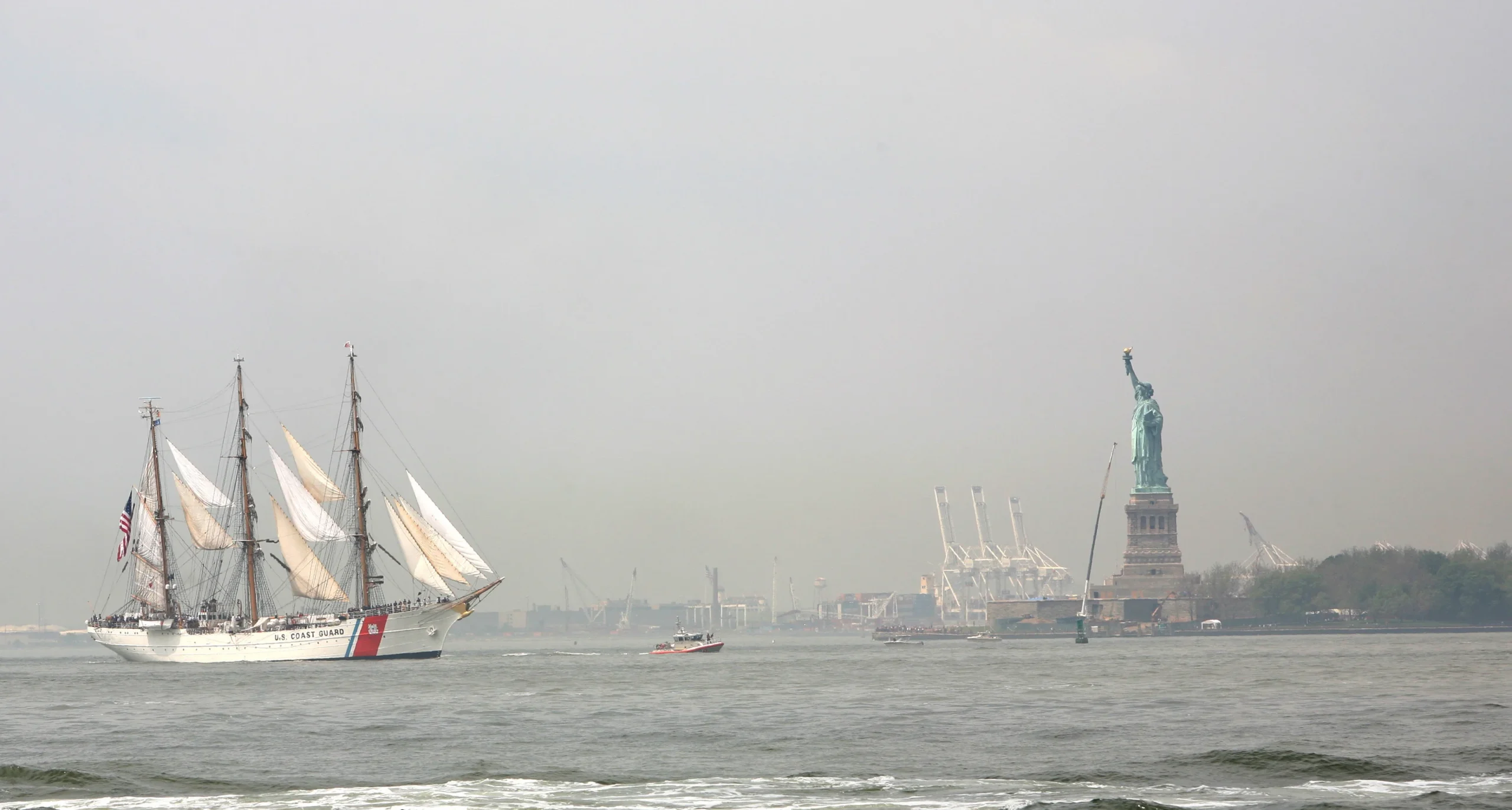
For some people, exploring maritime careers leads to a very specific conclusion: I want to work aboard a ship.
A career at sea can involve navigation, engineering, maintenance, logistics, food service, communications, and many other responsibilities.
But getting aboard professionally requires more than simply finding a ship that is hiring.
Mariners work in a regulated industry. The training, documents, and credentials you need depend on what you want to do, what vessel you will work aboard, and where it operates.
Understanding the basic structure makes the process much easier.
What Kinds of Jobs Exist Aboard Ships?
Merchant vessels generally divide much of their work among shipboard departments.
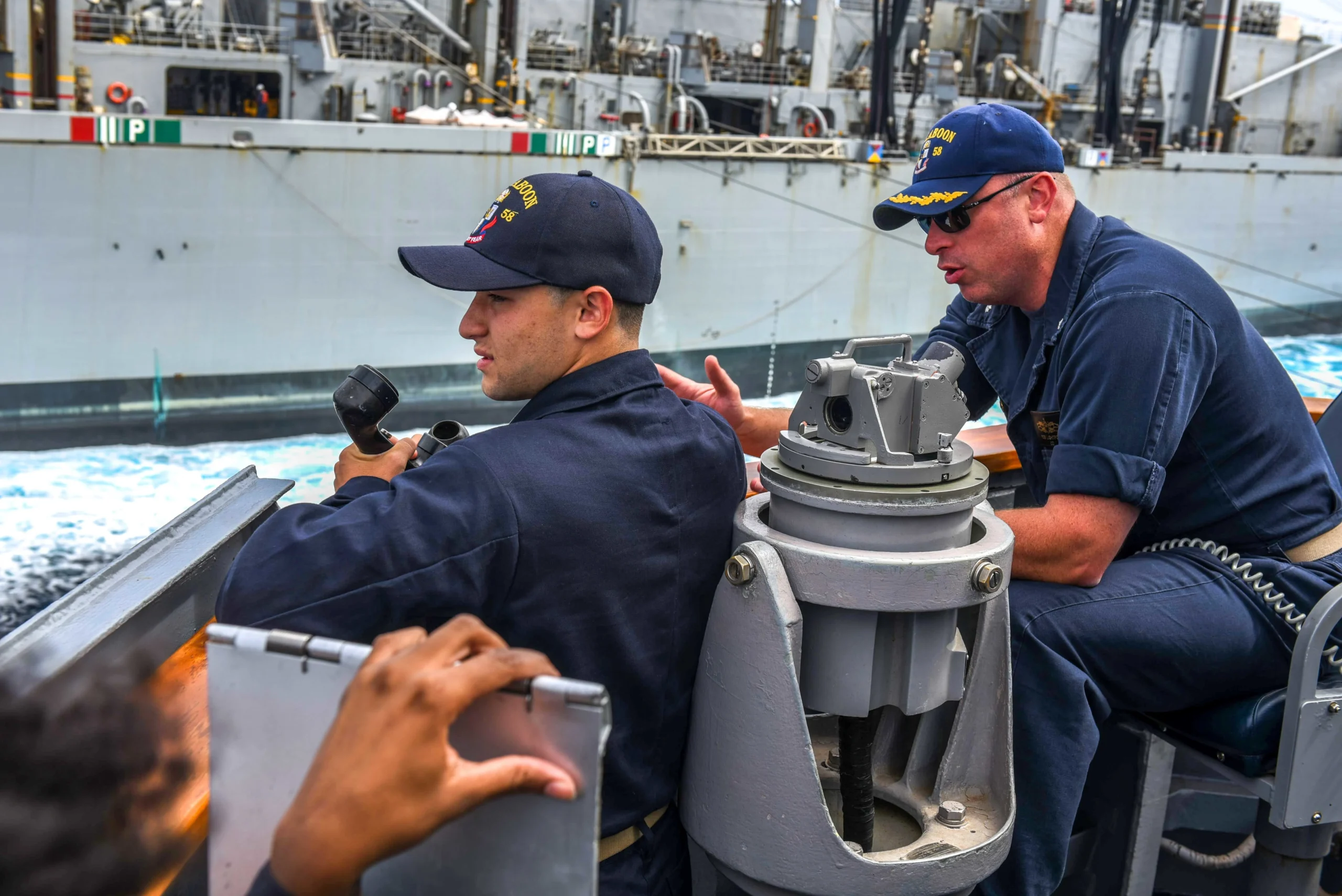
The deck department is associated with the vessel’s navigation and operation.
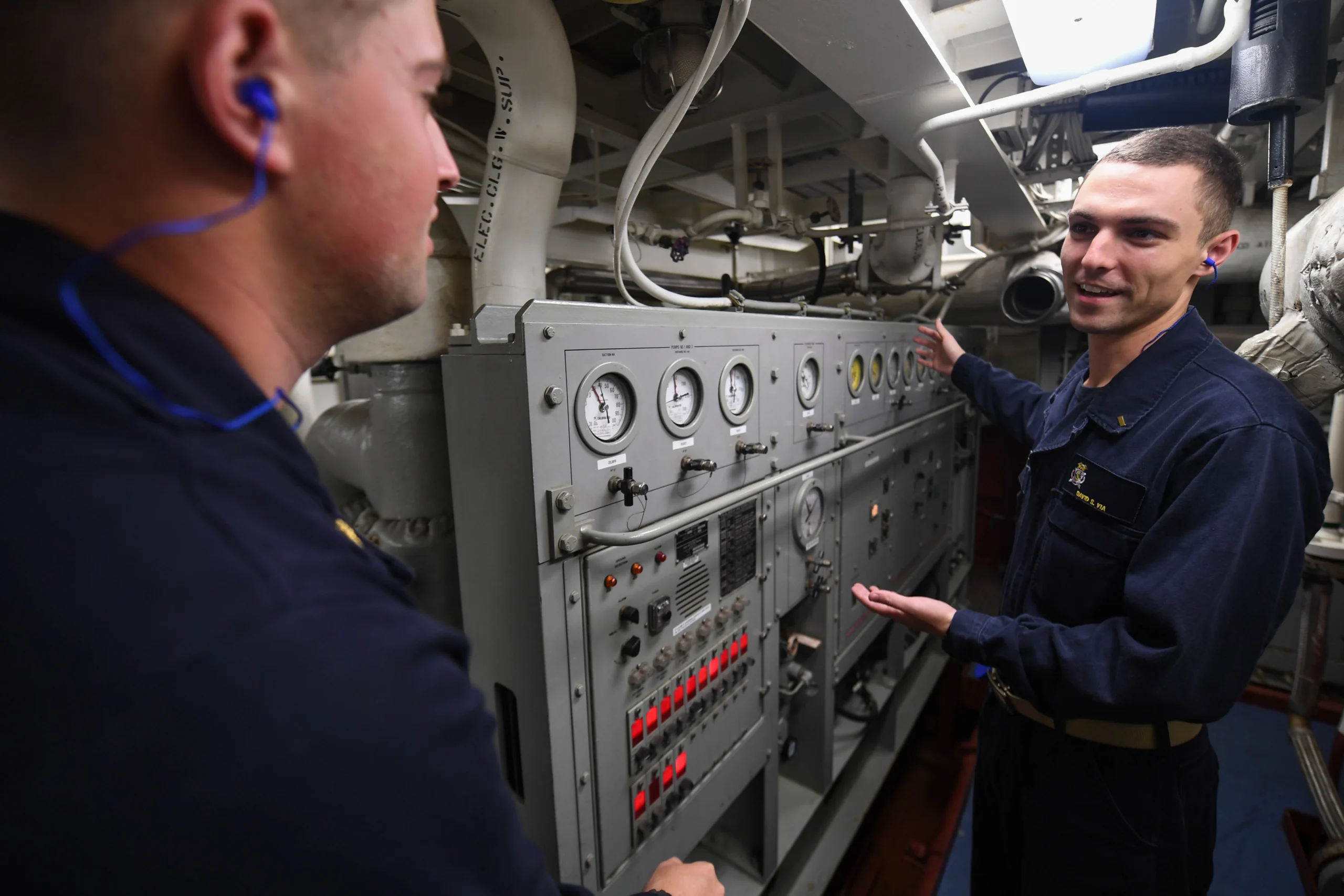
The engineering department is responsible for propulsion, machinery, and many of the mechanical systems that keep the ship operating.
The steward or supply side supports food service, stores, and other crew needs.
The U.S. Coast Guard uses these distinctions when describing Merchant Mariner Credential endorsements.
Other vessels and employers may also have communications, medical, electrical, logistics, or mission-specific positions.
Military Sealift Command, for example, employs Civil Service Mariners in the deck, engine, communications, supply, and medical departments aboard government vessels that support the Navy.
There Are Two Major Ways to Begin
One route is to attend a maritime academy and prepare for a career as a licensed officer.
The other is to enter at an unlicensed or entry-level position and advance through training, sea service, and additional credentials.
Neither route is universally better. They are different.
The Maritime Academy Route
The United States has the U.S. Merchant Marine Academy and six state maritime academies supported by MARAD.
These schools combine college education with professional maritime training, and qualifying programs can prepare students to become licensed Merchant Marine officers.
Students interested in becoming deck or engineering officers may find this the most direct route.
Military Sealift Command also operates a Cadet Shipping Program through which maritime academy students can gain supervised experience aboard MSC ships while working toward sea service requirements and preparing for licensing examinations.
The Entry-Level Route
Another path is to begin in an unlicensed position.
Military Sealift Command recruits entry-level Civil Service Mariners into its deck, engine, and supply departments. Depending on assignment, a new employee might enter as an Ordinary Seaman, Wiper, or Supply Utilityman and later work toward higher qualifications.
Union training can provide another entry point.
The Seafarers Harry Lundeberg School of Seamanship offers an Unlicensed Apprentice Program designed to prepare people for careers as U.S. Merchant Mariners.
These routes demonstrate an important part of maritime careers: you do not necessarily need to begin as an officer to build a substantial career at sea.
What Is a Merchant Mariner Credential?
The Merchant Mariner Credential, or MMC, is issued by the U.S. Coast Guard.
An MMC can contain endorsements identifying the capacities in which a mariner is qualified to serve.
The Coast Guard notes that mariners working aboard many U.S. merchant vessels must hold a valid MMC, although requirements vary by vessel and position.
The application process may involve forms, medical qualifications, documented sea service, training, testing, and other requirements, depending on the endorsement being sought.
An MMC should therefore be understood as part of a professional credentialing system, not simply an identification card.
What Is STCW?
STCW refers to the international Standards of Training, Certification and Watchkeeping for Seafarers.
Depending on the vessel, route, and capacity in which someone serves, STCW requirements may apply in addition to U.S. domestic credentialing requirements.
Students do not need to memorize the entire credentialing system before deciding whether they are interested in working at sea.
They do need to understand that different jobs have different requirements.
Before paying for a training course, determine exactly which credential or endorsement your intended career requires.
Where Does TWIC Fit?
The Transportation Worker Identification Credential is often mentioned in connection with maritime employment.
TWIC is a biometric security credential for people who require unescorted access to secure areas of regulated facilities and vessels. U.S. Coast Guard-credentialed merchant mariners are also part of the TWIC framework.
It is important to understand what TWIC is not.
A TWIC card does not make someone a trained mariner, engineer, or terminal operator. It provides access.
Think of it as one possible requirement on the way to a maritime job, not the career itself.
What Else Might an Employer Require?
Requirements vary substantially.
For example, Military Sealift Command entry-level requirements can include being at least 18, U.S. citizenship, a valid U.S. passport, TWIC, an appropriate Merchant Mariner Credential, and a Coast Guard medical certificate.
A commercial employer may have different requirements.
That is why prospective mariners should always check the current requirements of both the Coast Guard and the specific employer or training organization.
What Is Sea Service?
Experience aboard a vessel is more than something to put on a resume.
For many mariner credentials, documented sea service contributes to professional advancement.
That creates a career structure where work, training, and credentialing continually interact.
Someone can begin at entry level, accumulate experience, complete additional training, obtain higher endorsements, and move into positions with greater responsibility.
That is one reason accurately documenting your experience matters.
Is Working at Sea Right for Everyone?
No.
Working aboard a vessel can mean being away from home, operating around the clock, living and working with the same crew, and accepting responsibilities that directly affect the safety of other people.
For some, that environment is exactly the attraction.
They want a workplace where teamwork matters, the equipment is real, and the mission is obvious.
Others may discover that they love ships but would rather work in a shipyard, an engineering office, a port, a laboratory, or a logistics center.
Both discoveries are useful.
What Can You Do Now?
If you are still in school, start by learning about the different shipboard departments and talking with people who actually work at sea.
Visit maritime academies and training programs. Attend maritime career fairs. Look at real entry-level job descriptions. Compare the academy route with apprenticeship and unlicensed pathways.
Pay attention to the parts of a ship that interest you.
Standing on the bridge aboard Battleship IOWA may make one student wonder what it takes to navigate a modern ship. Someone else may walk through engineering spaces and become fascinated by propulsion and mechanical systems.
Those questions are where a maritime career can begin.
Editorial Sources and References
- U.S. Maritime Administration – Maritime Education: https://www.maritime.dot.gov/maritime-workforce/maritime-education
- Military Sealift Command – Departments: https://sealiftcommand.com/departments
- Military Sealift Command – Entry Level: https://sealiftcommand.com/departments/entry-level
- Military Sealift Command – Academy / Cadet Shipping: https://sealiftcommand.com/academy
- Seafarers Harry Lundeberg School of Seamanship – Apprentice Program: https://www.seafarers.org/training-and-careers/admissions/apprentice-program-overview/
- U.S. Coast Guard National Maritime Center – Merchant Mariner Credential: https://www.dco.uscg.mil/nmc/merchant_mariner_credential/
- U.S. Coast Guard National Maritime Center – TWIC: https://www.dco.uscg.mil/nmc/twic/
- U.S. Coast Guard National Maritime Center – Credential FAQ: https://www.dco.uscg.mil/Portals/9/NMC/pdfs/faq/credential_faq.pdf
The Broadside – October 2026
The Broadside IOWA crew newsletter for October 2026
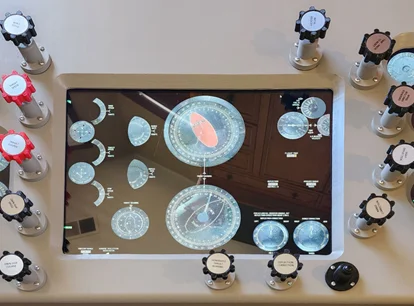
Life of a Sailor: Fire Control Brings Battleship IOWA’s Gun Plot Back to Life
Step into Battleship IOWA’s new Life of a Sailor: Fire Control experience and work as a crew to operate the systems behind the ship’s massive 16-inch guns.
A Los Angeles Museum Unlike Any Other
A Los Angeles Museum Unlike Any Other Battleship IOWA, home of the National Museum of the Surface Navy, offers one of the most distinctive museum experiences in Los Angeles. Located […]
Freedom of the Seas Tickets
Join us aboard Battleship IOWA to honor those advancing freedom of the seas. Tickets are limited; an interest list will be available if the event sells out.