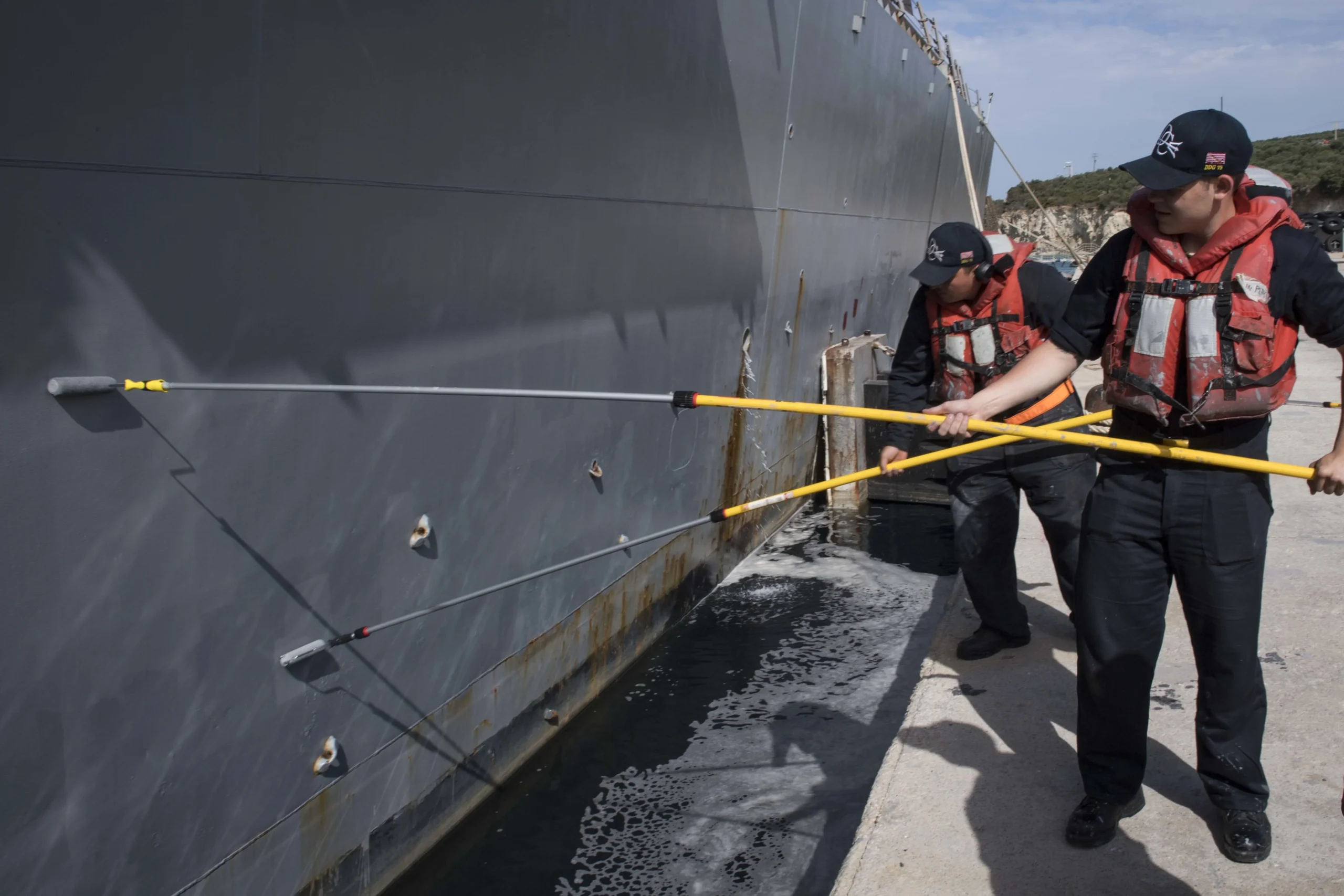
A maritime career does not automatically mean earning a four-year college degree.
The industry depends on skilled workers who operate ships, maintain machinery, repair electrical systems, weld steel, move cargo, handle lines, work in engine rooms, and perform hundreds of other jobs that keep ships and ports operating.
Many of these careers have education and training requirements. Still, the path may involve an apprenticeship, technical school, industry credential, or structured on-the-job training rather than a bachelor’s degree.
That can make maritime particularly interesting for students who want a hands-on career.
Skilled Trades Are Essential to the Maritime Industry
Ships are enormous, complex machines.
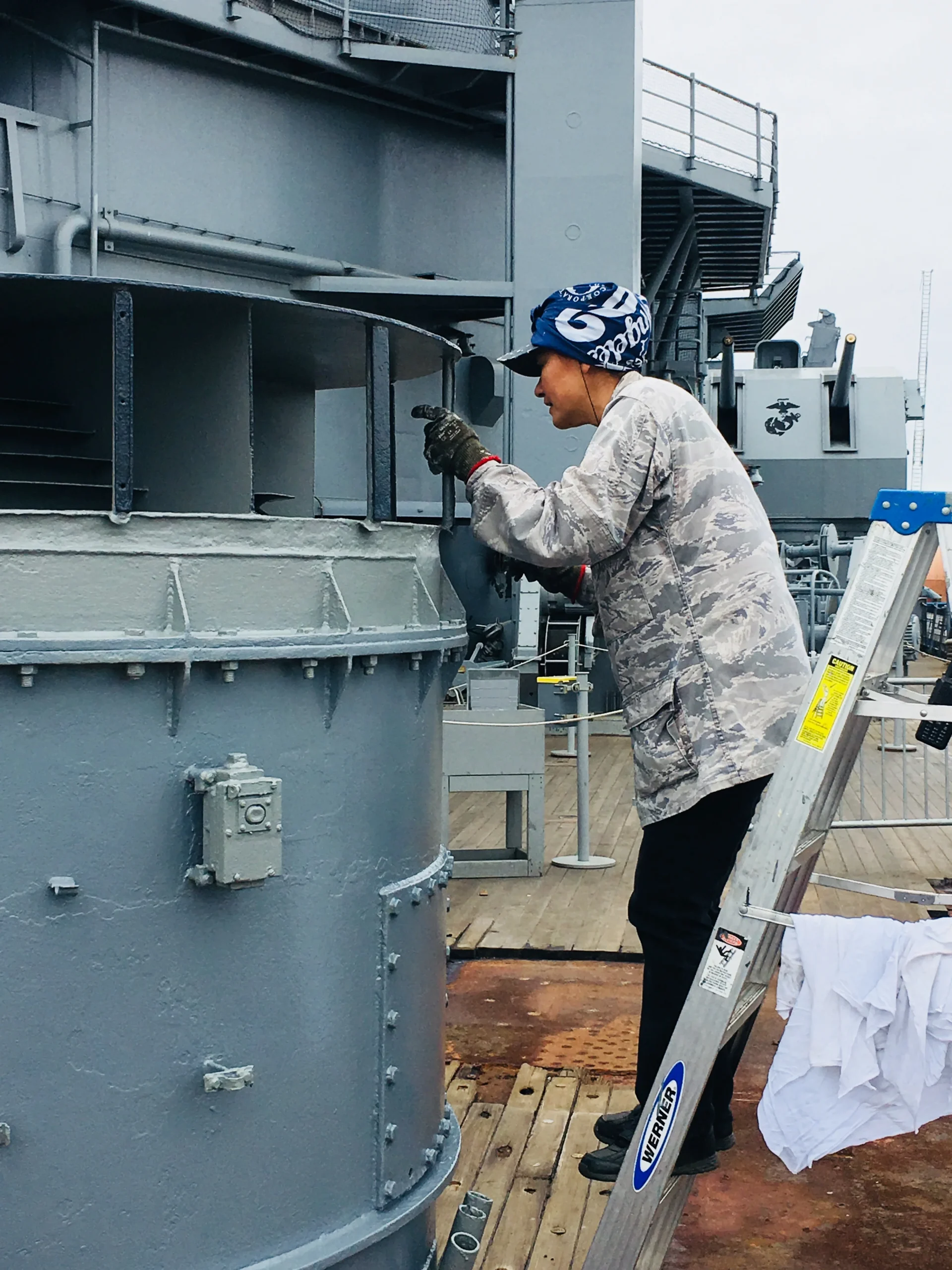
They contain mechanical systems, electrical networks, piping, structural steel, communications equipment, pumps, engines, and countless other components that have to be installed, inspected, maintained, and repaired.
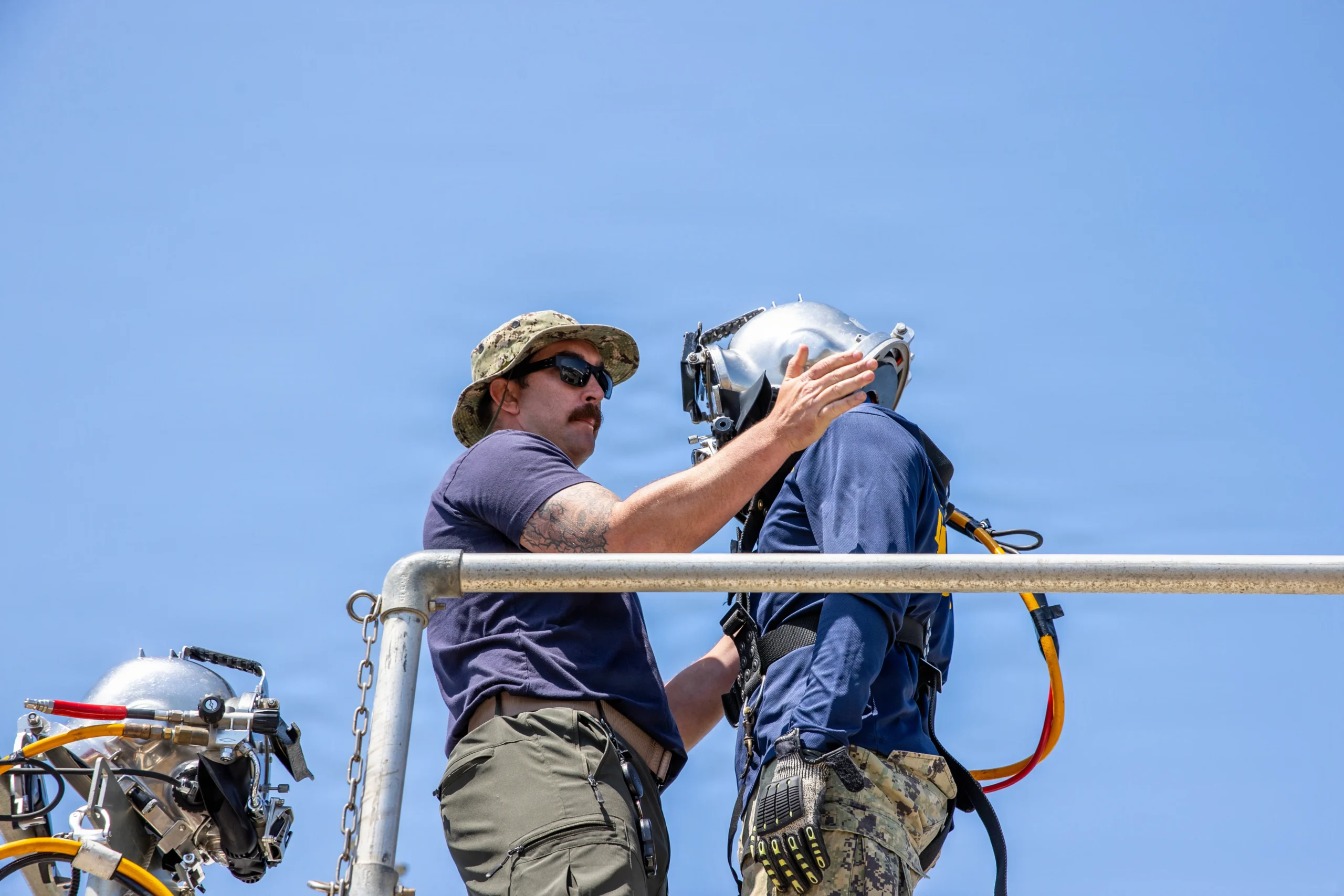
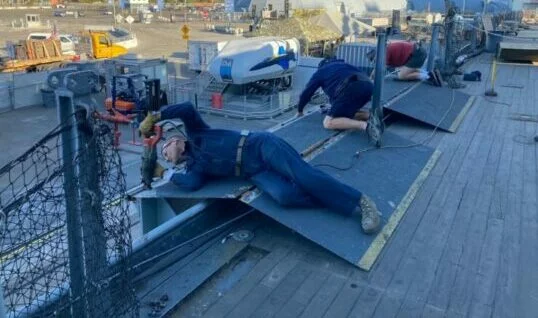
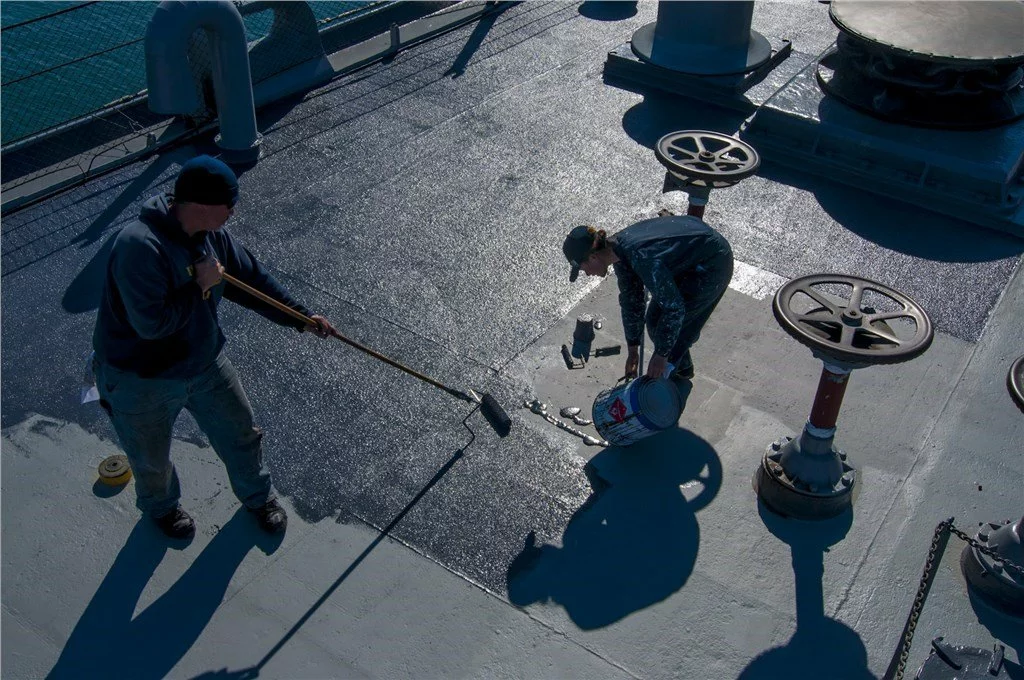
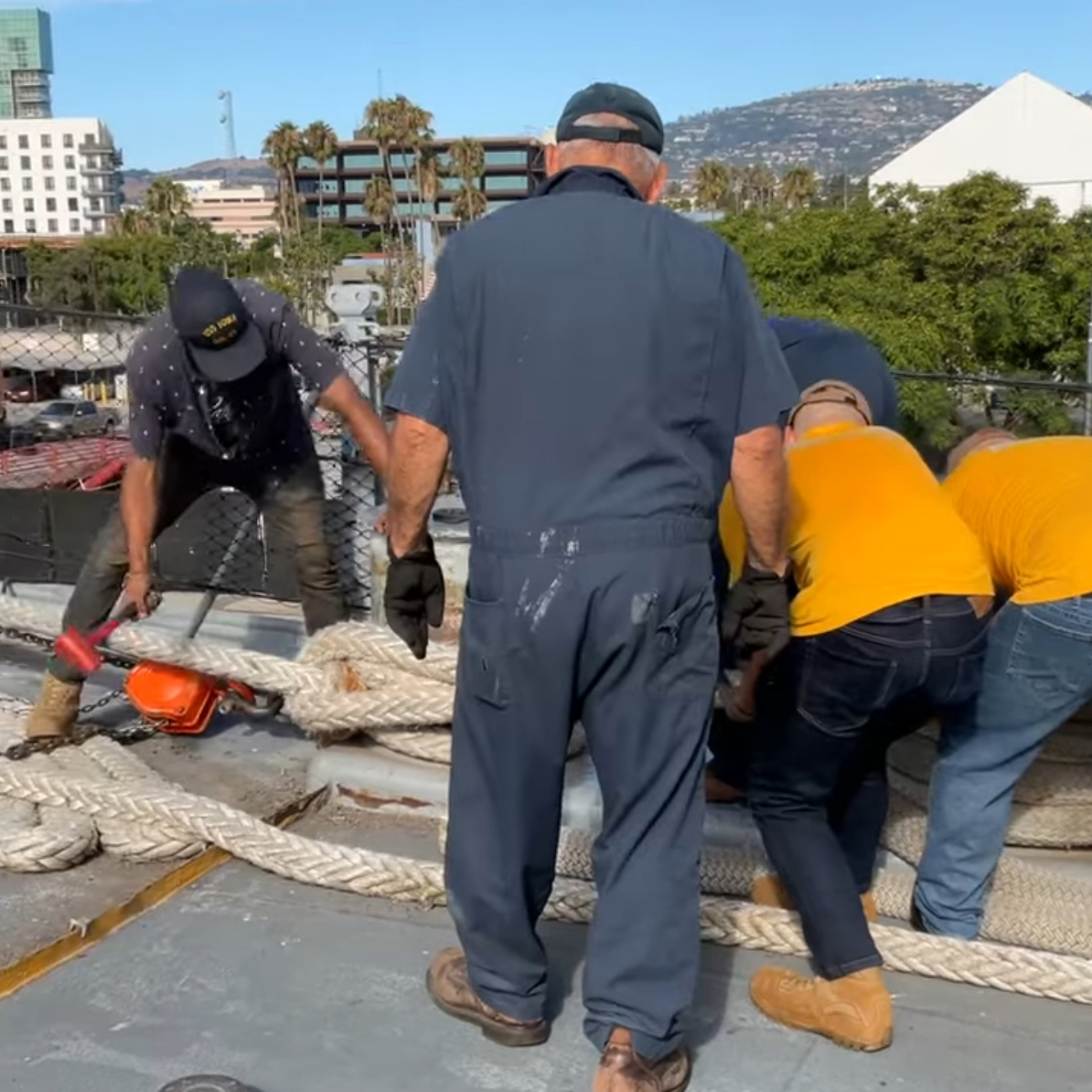
That creates careers for welders, electricians, pipefitters, machinists, riggers, mechanics, fabricators and other skilled workers.
Shipyard careers are directly connected to mechanical systems, seamanship, safety, and documentation. They include occupations such as welding, pipefitting, rigging and boilermaking, with trade certification and apprenticeship routes serving as common entry points.
These are not secondary careers within maritime. Without the skilled trades, ships do not get built, maintained or returned to service.
Marine Electricians
Modern ships depend heavily on electrical power.
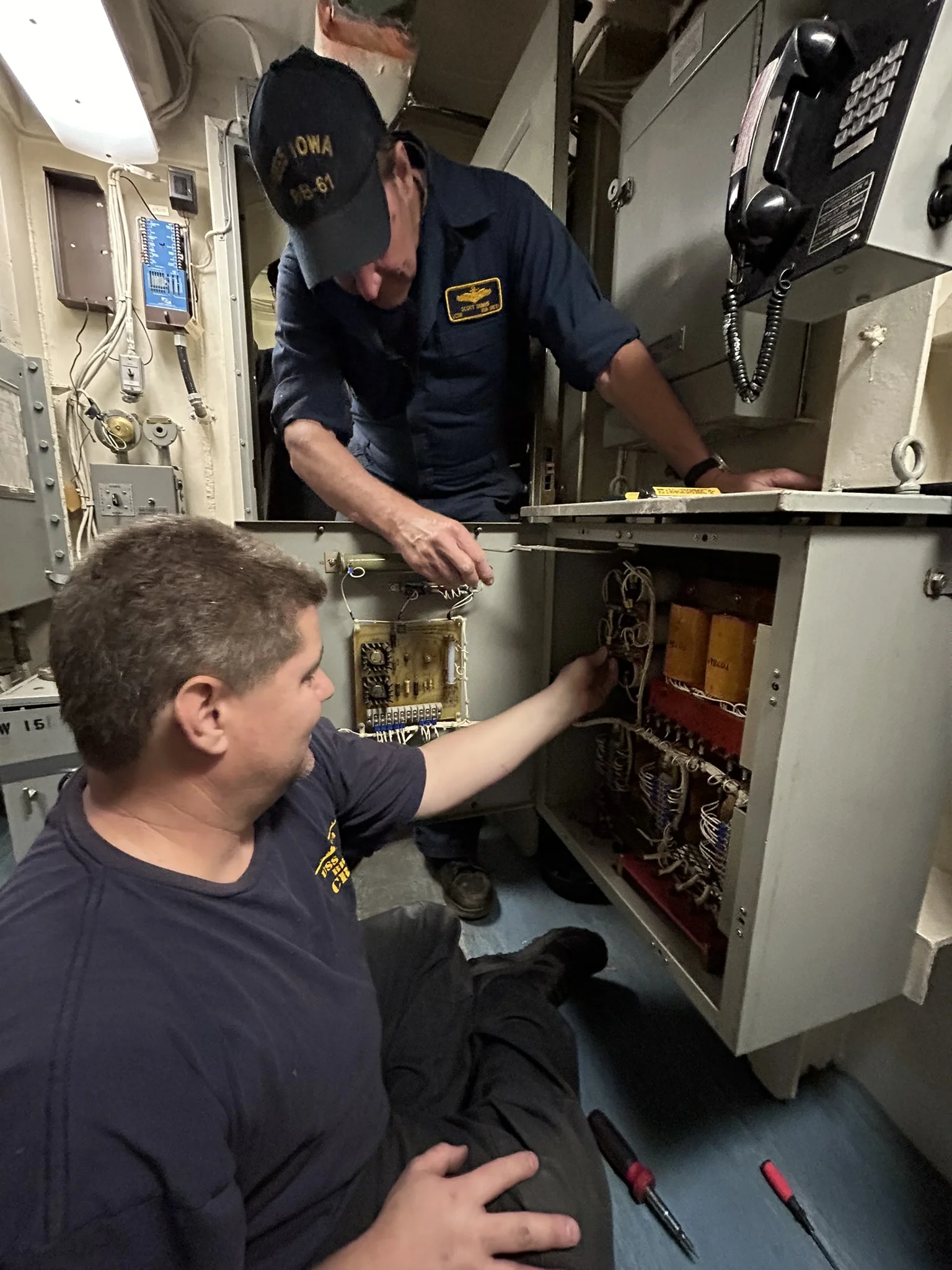
Marine electricians may install, troubleshoot, and maintain systems serving lighting, communications, control systems, machinery, and other shipboard equipment.
A student interested in electronics or in figuring out why something does not work may find this career far more appealing than sitting behind a desk.
Training can occur through community colleges, technical programs and apprenticeships. Industry credentials and journeyman programs may become important depending on the employer and type of work.
Careers at Sea Without a Bachelor’s Degree
Working aboard a vessel also does not always require a four-year degree.
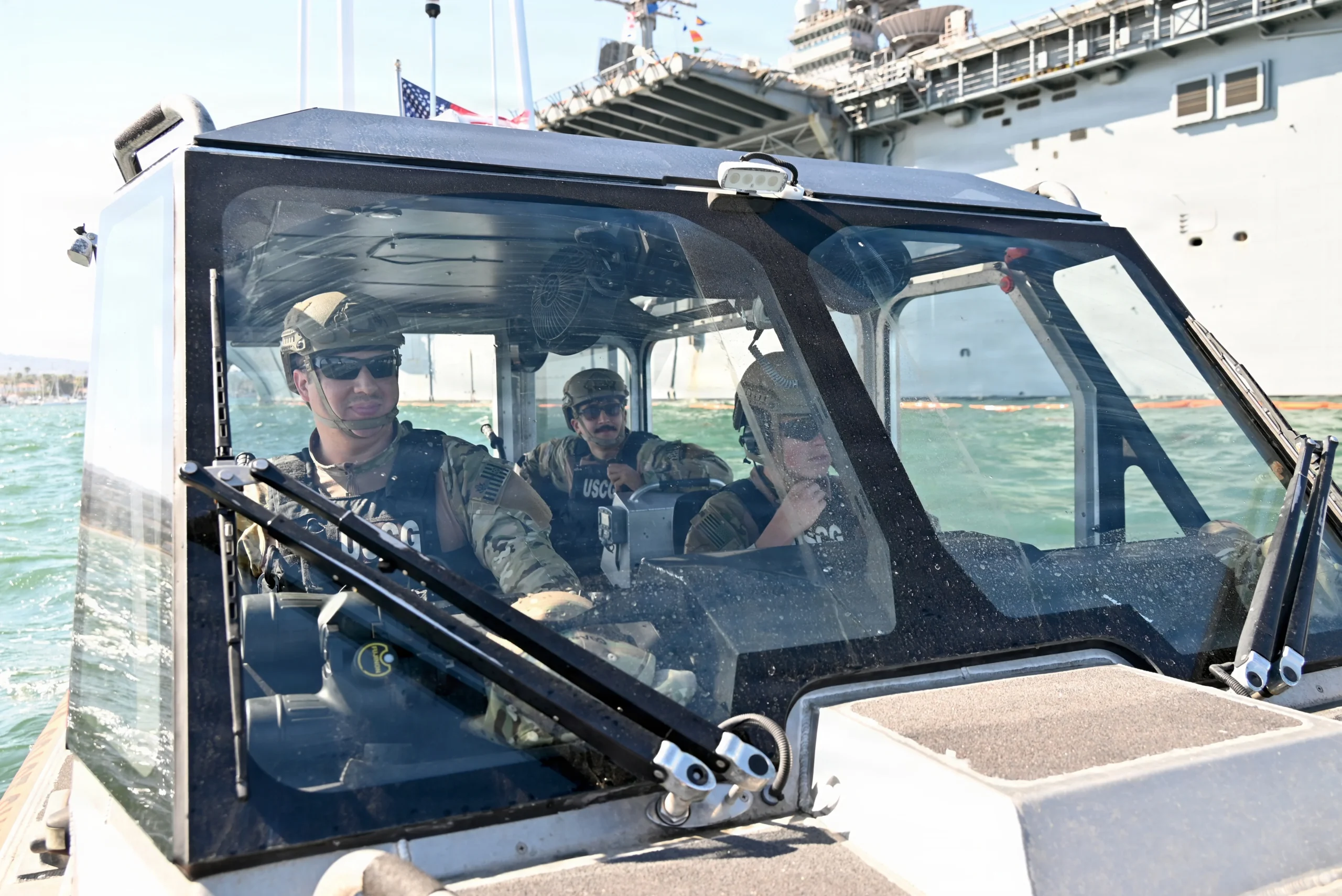
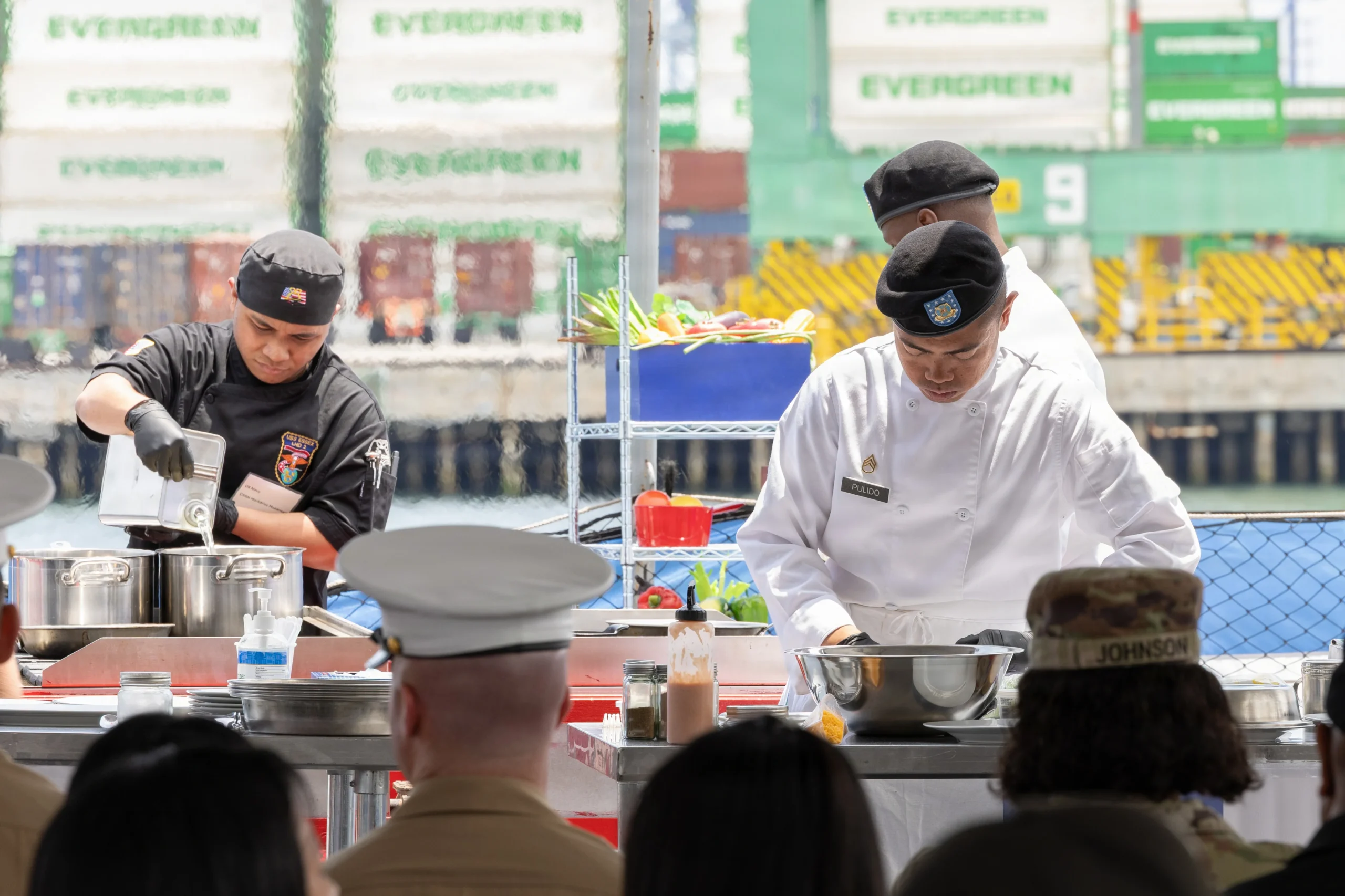
Merchant ships employ people across several departments. Deck personnel help operate and maintain the vessel. Engine personnel work with propulsion and mechanical systems. Steward or supply personnel support food service, supplies, and other functions.
The U.S. Coast Guard explains that Merchant Mariner Credentials can carry endorsements associated with deck, engineering, and steward department work.
Some people enter these departments at the unlicensed level and gain sea service, training and credentials as they advance.
Military Sealift Command, for example, recruits entry-level personnel into deck, engine and supply positions. Depending on assignment, entry-level positions can include Ordinary Seaman, Wiper and Supply Utilityman, with training and work experience creating opportunities to compete for advancement.
That is a very different model from earning a degree and then applying for a first job. You are beginning the career while continuing to build qualifications.
Maritime Apprenticeships
Apprenticeships combine structured learning with practical experience.
For someone who learns best by doing, that can be a powerful way to enter the maritime industry.
The Seafarers Harry Lundeberg School of Seamanship operates an entry-level Unlicensed Apprentice Program for people pursuing careers as U.S. Merchant Mariners. The program is registered with the U.S. Department of Labor and combines training with preparation for employment at sea.
Other maritime pathways may involve union apprenticeship programs, shipyard programs, community colleges, or employer-sponsored training.
The details vary, so researching the actual program is important.
No Degree Does Mean No Training
This distinction matters.
A career that does not require a bachelor’s degree can still require significant training, testing, and responsibility.
A welder may need welding certifications. An electrician may work toward apprenticeship and journeyman requirements. Merchant mariners may need Coast Guard credentials, medical qualifications, and, depending on their work, STCW endorsements or training.
For an original Merchant Mariner Credential application, the Coast Guard directs applicants through a process that can include TWIC, application forms, documented sea service, training certificates, and assessments depending on the credential sought.
Maritime careers can therefore offer an alternative to a four-year degree without being an alternative to education. The education looks different.
Experience Can Become Part of Your Education
One of the advantages of many hands-on maritime careers is that experience itself contributes to advancement.
Sea service is particularly important for professional mariners. Time aboard ship can count toward qualifying for higher endorsements and licenses.
Employers may also provide structured advancement opportunities. Military Sealift Command describes career progression from entry-level positions through increasingly responsible deck and engineering jobs, supported by training and documented experience.
In skilled trades, apprentices progress as they develop competency and work experience.
The career ladder can therefore be long even when the academic path is shorter.
Which Maritime Careers Usually Do Require Degrees?
It is equally important not to oversell the no-degree route.
Naval architecture, many engineering careers, ocean science, and certain technical or management positions generally involve college-level education.
Licensed officer careers at sea can also be reached through maritime academies that combine a bachelor’s degree with the training and sea service needed for Coast Guard licensing. MARAD supports the U.S. Merchant Marine Academy and six state maritime academies for this purpose.
The question should not be, “Can I avoid college?” It should be: What is the best preparation for the career I actually want?
What Should You Look for in a Training Program?
Before enrolling, find out where the program leads.
Does it prepare students for a recognized credential? Is the apprenticeship registered or recognized? Do employers hire its graduates? Does the program include hands-on training? Will you earn documented work experience or sea service? What does it cost? What additional credentials will you still need?
Those questions are far more important than whether a program calls itself “maritime.”
A Different Definition of Success
For years, students have often been told that success begins with choosing a four-year college.
For many careers, college is absolutely the right choice.
For others, an apprenticeship, technical program, or entry-level maritime position may offer a more direct route toward the work a student actually wants to do.
The maritime industry needs both.
The person designing the ship matters. So does the person building it, wiring it, operating it, and keeping it running thousands of miles from shore.
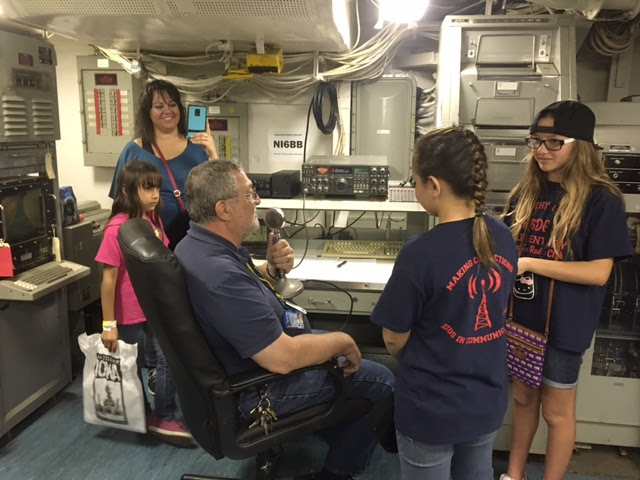
If what interested you aboard Battleship IOWA was working with real equipment, solving mechanical problems, understanding systems, or seeing how a crew keeps a ship operating, there are maritime careers where those interests matter every day.
Editorial Sources and References
- U.S. Maritime Administration – Maritime Education: https://www.maritime.dot.gov/maritime-workforce/maritime-education
- Seafarers Harry Lundeberg School of Seamanship – Apprentice Program: https://www.seafarers.org/training-and-careers/admissions/apprentice-program-overview/
- Military Sealift Command – Entry Level: https://sealiftcommand.com/departments/entry-level
- U.S. Coast Guard National Maritime Center – Credential FAQ: https://www.dco.uscg.mil/Portals/9/NMC/pdfs/faq/credential_faq.pdf
- U.S. Coast Guard National Maritime Center – Merchant Mariner Credential: https://www.dco.uscg.mil/nmc/merchant_mariner_credential/
The Broadside – October 2026
The Broadside IOWA crew newsletter for October 2026
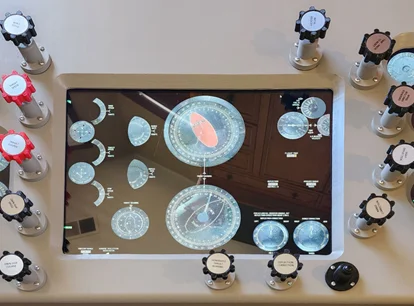
Life of a Sailor: Fire Control Brings Battleship IOWA’s Gun Plot Back to Life
Step into Battleship IOWA’s new Life of a Sailor: Fire Control experience and work as a crew to operate the systems behind the ship’s massive 16-inch guns.
A Los Angeles Museum Unlike Any Other
A Los Angeles Museum Unlike Any Other Battleship IOWA, home of the National Museum of the Surface Navy, offers one of the most distinctive museum experiences in Los Angeles. Located […]
Freedom of the Seas Tickets
Join us aboard Battleship IOWA to honor those advancing freedom of the seas. Tickets are limited; an interest list will be available if the event sells out.