
Volunteer
Find your place as a crewmember aboard Battleship IOWA.
More Than Volunteering: Find Your Place Aboard Battleship IOWA
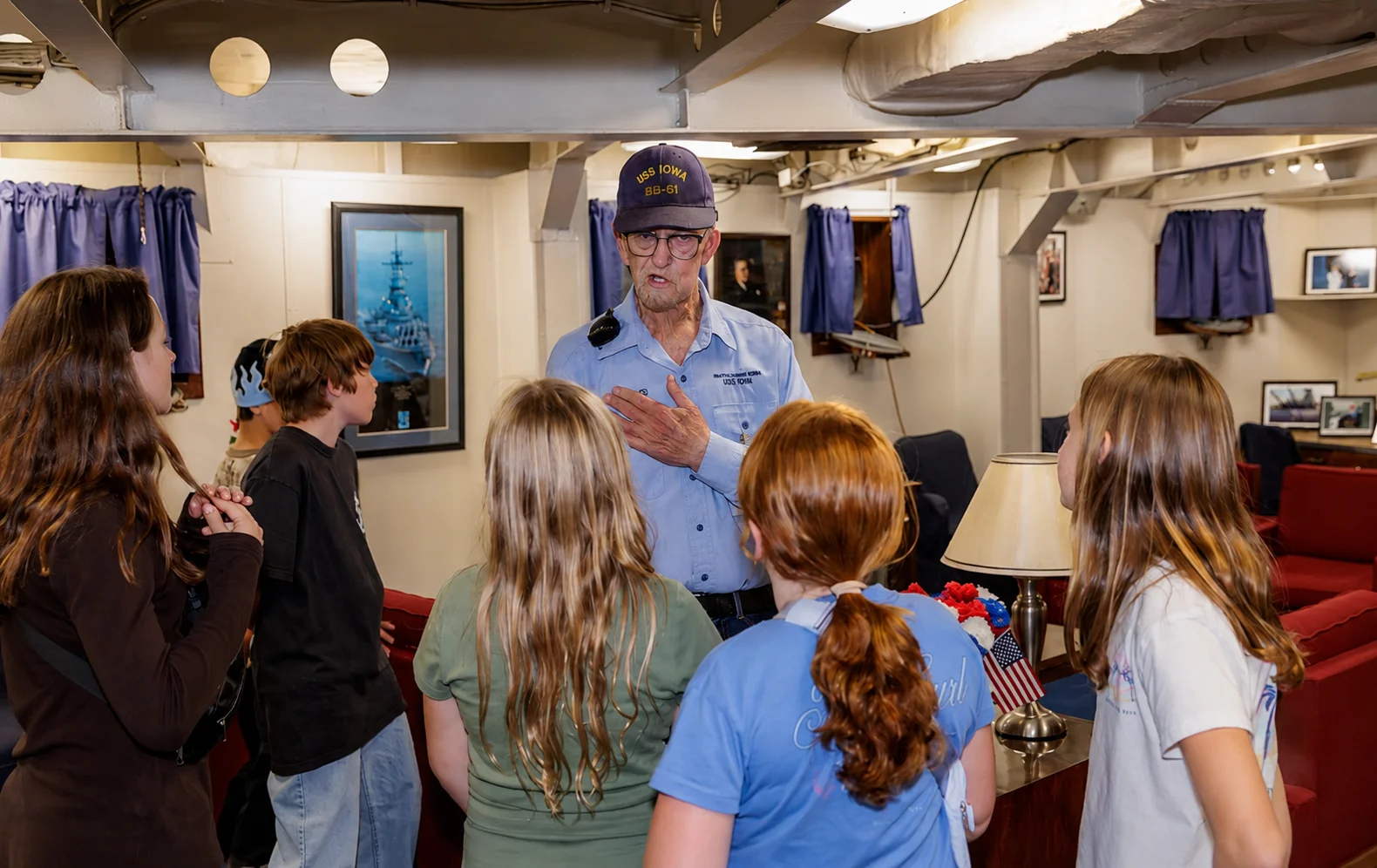
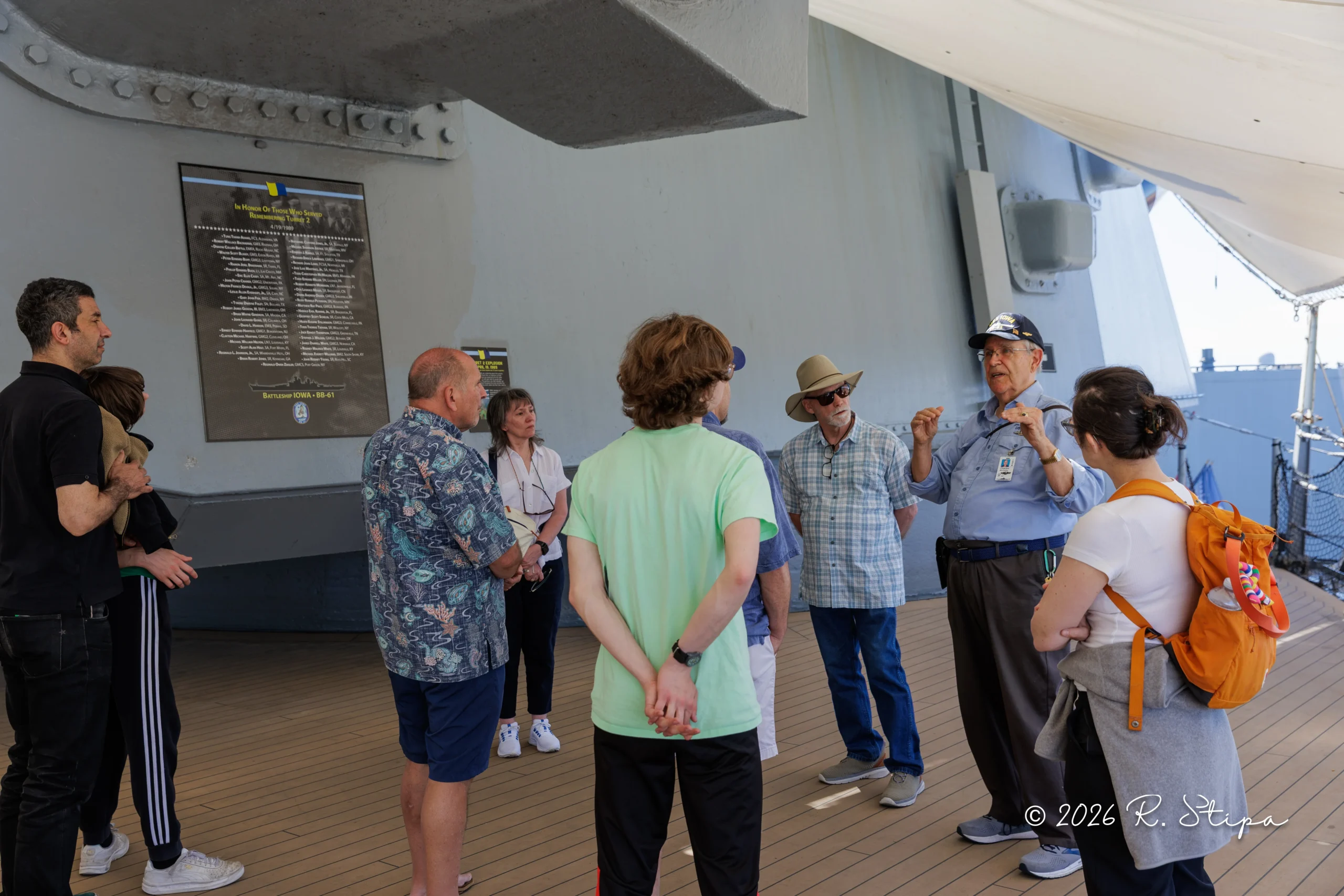
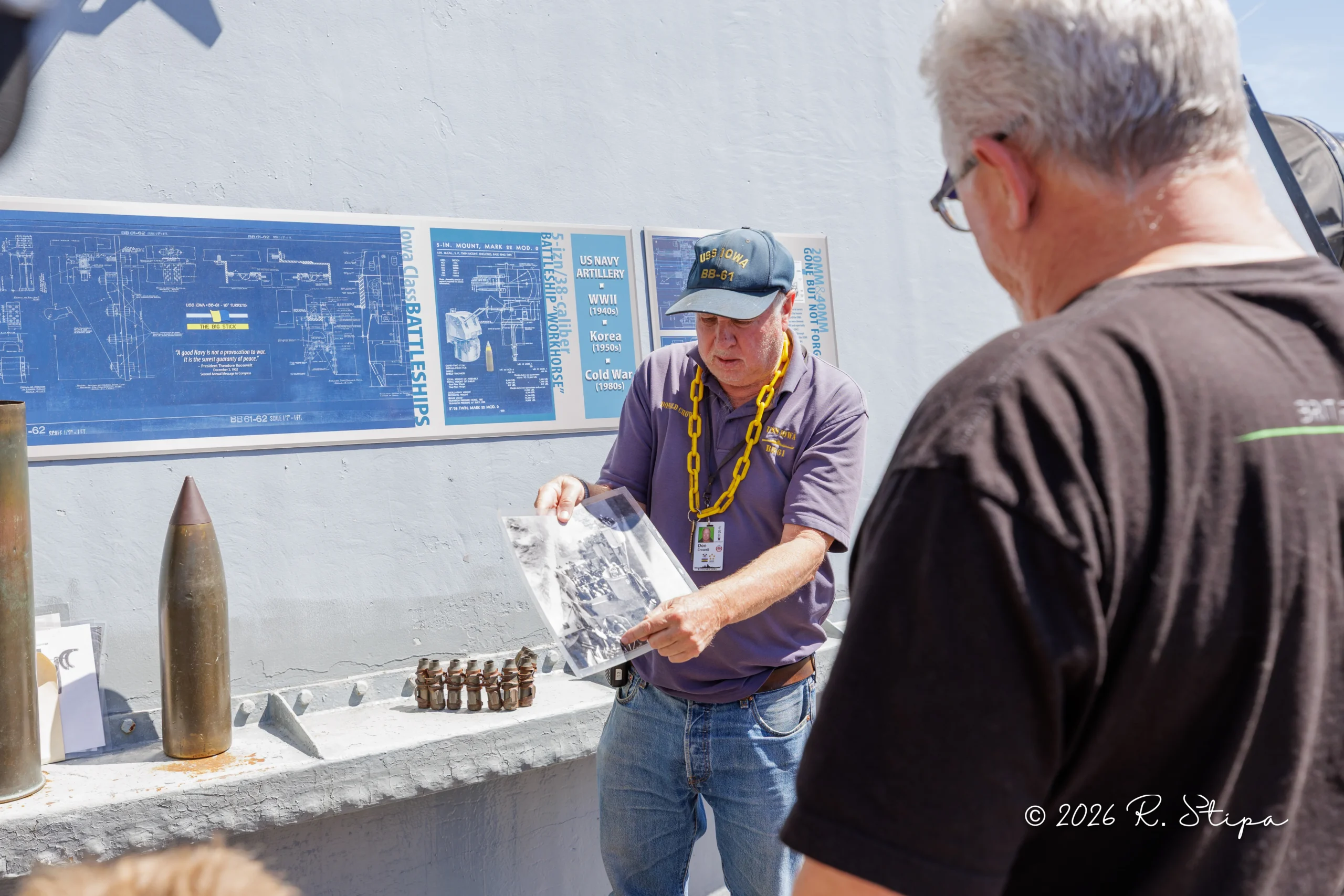
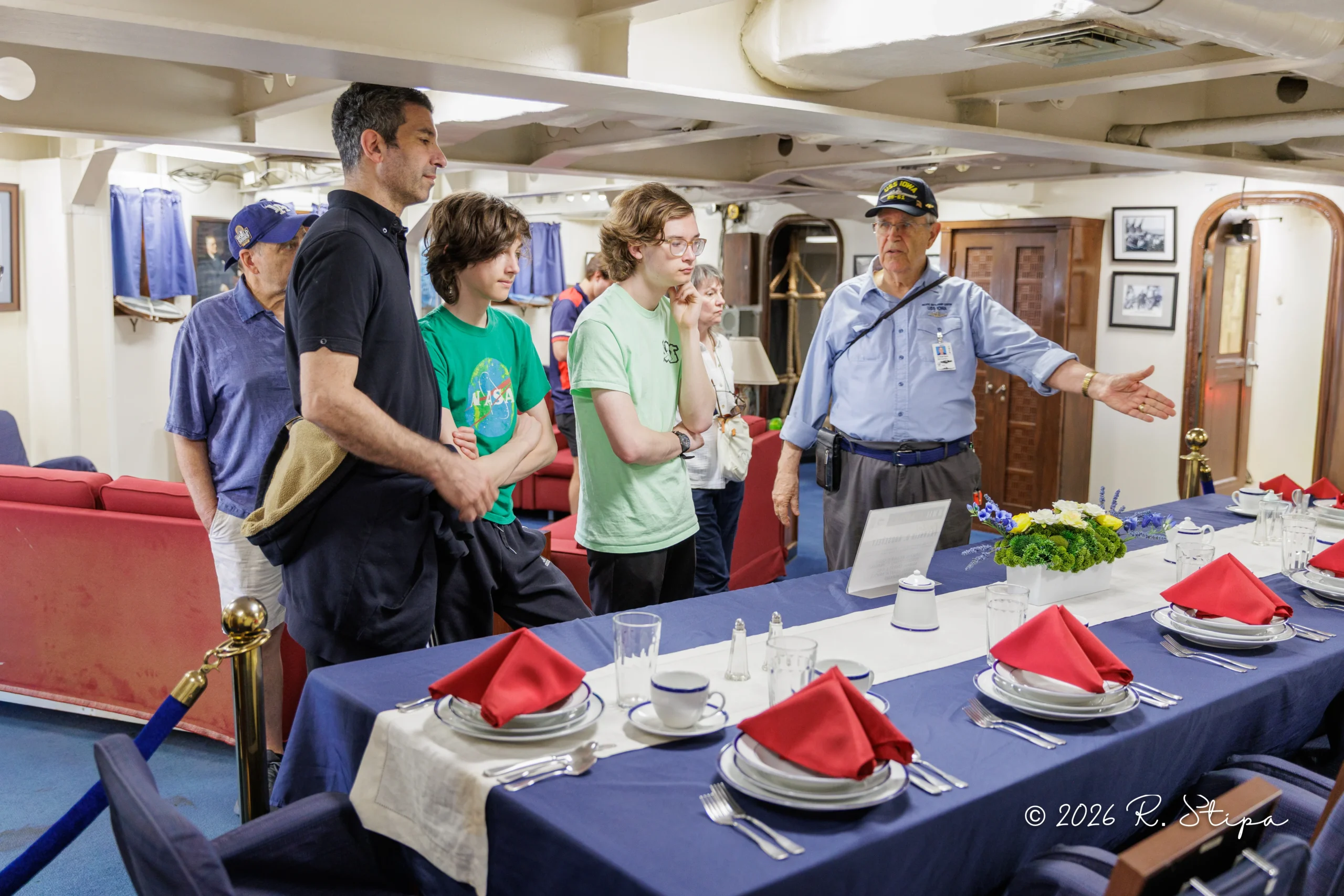
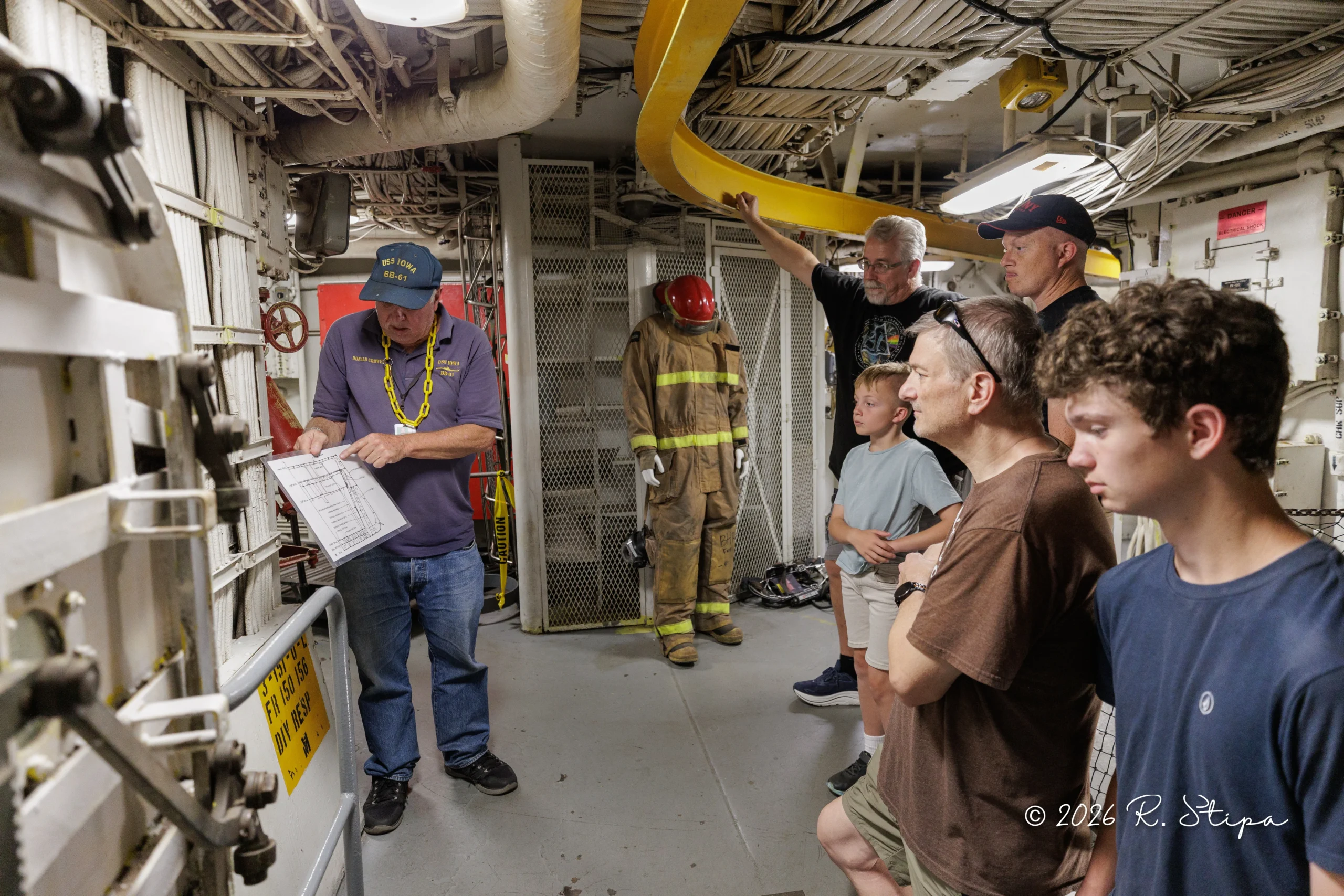
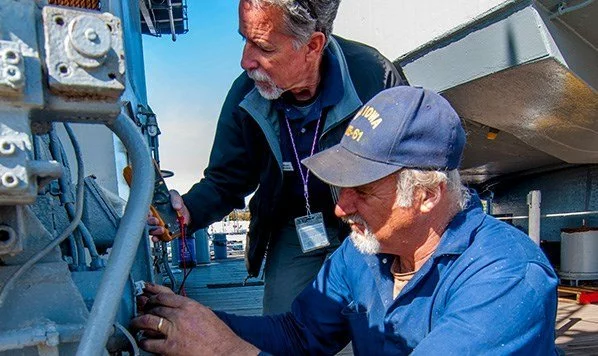
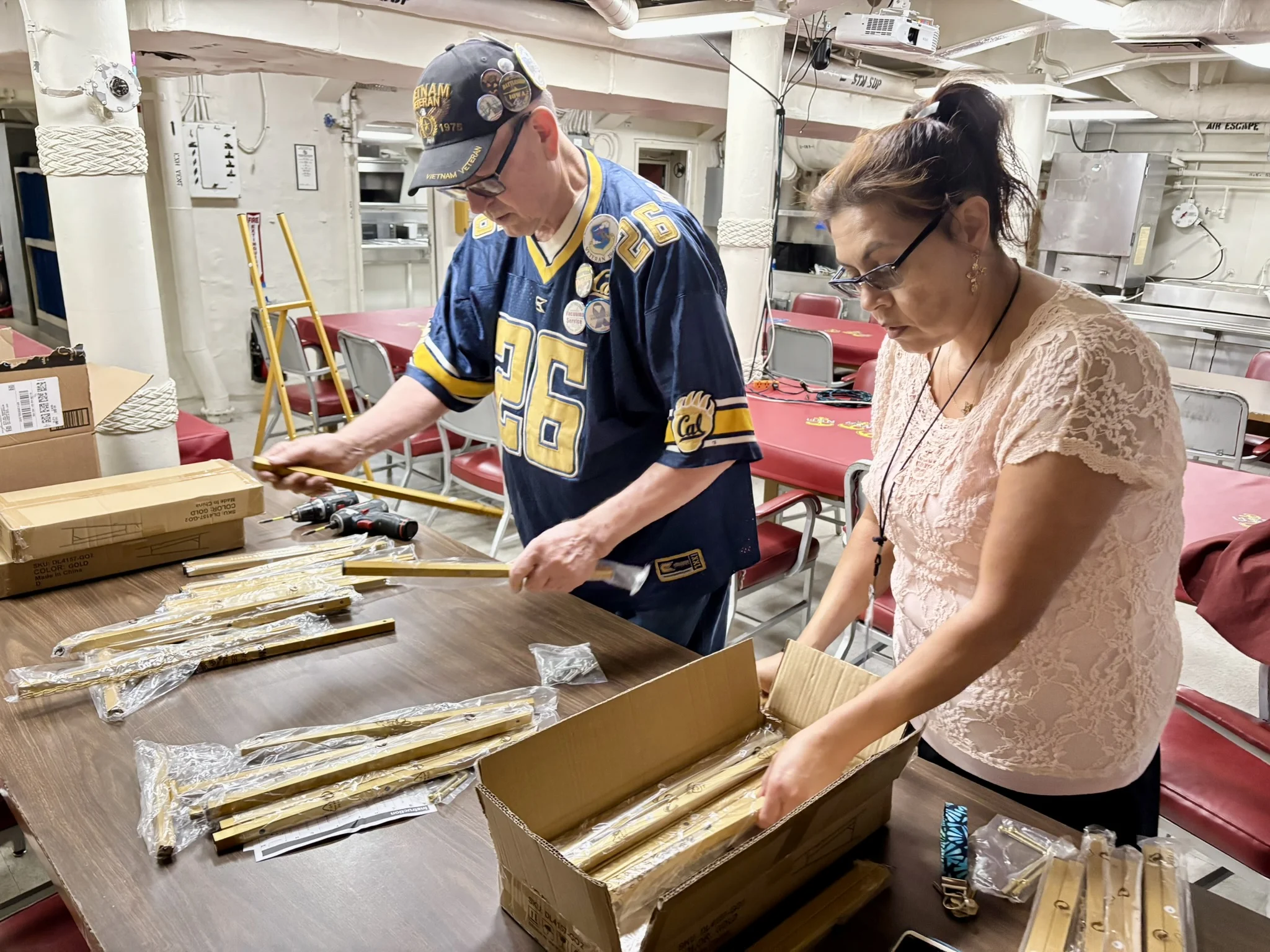
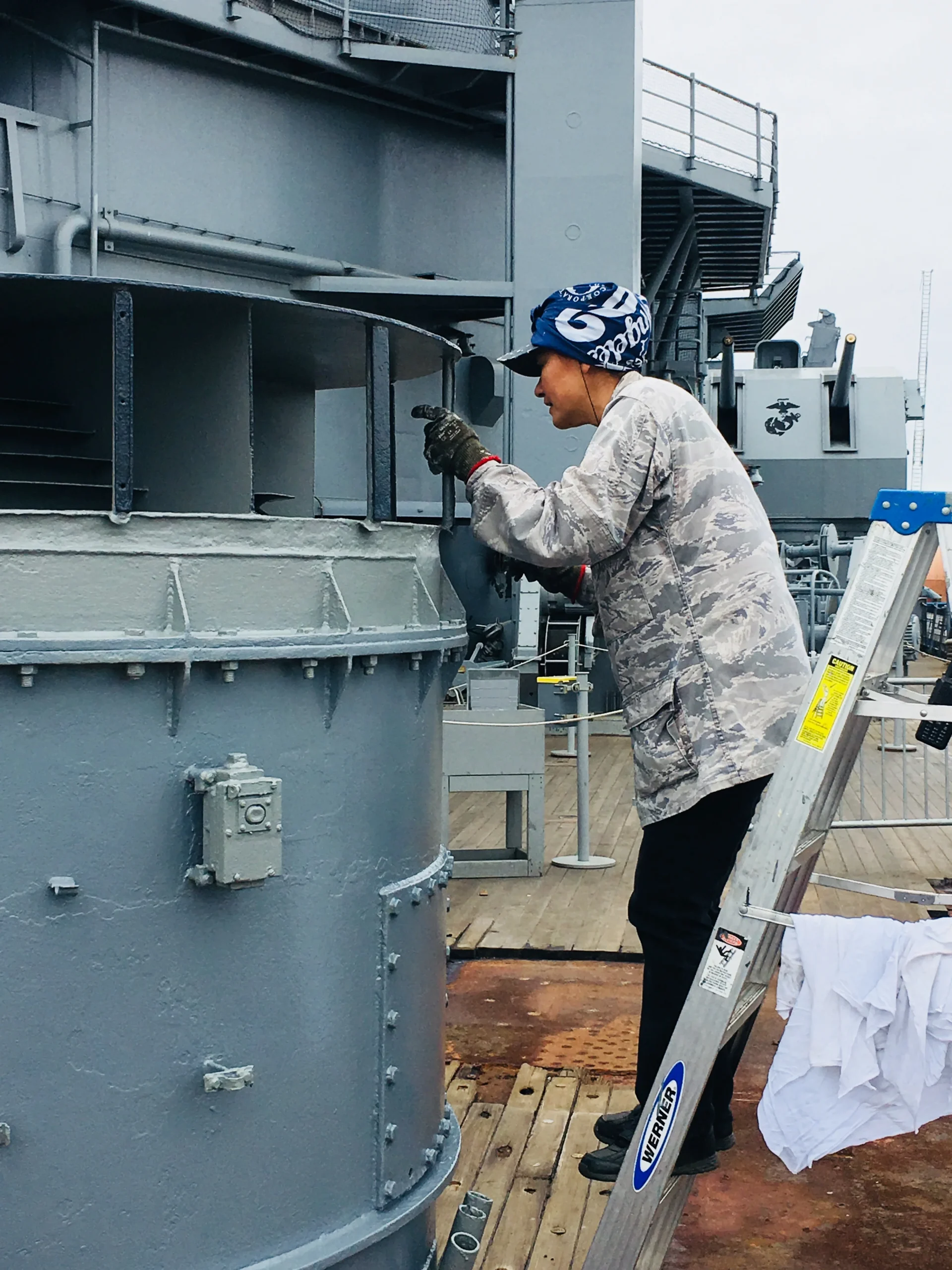
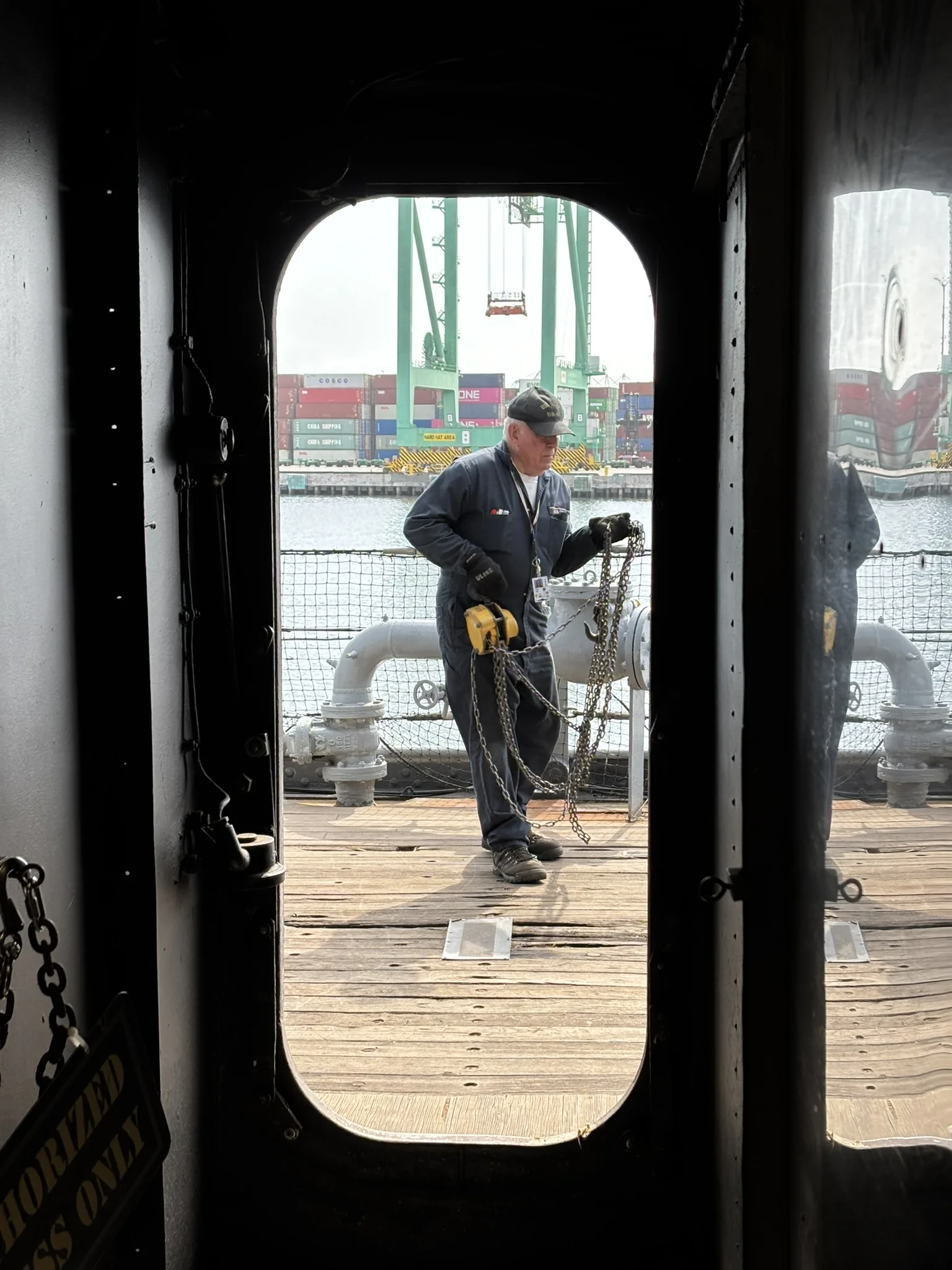
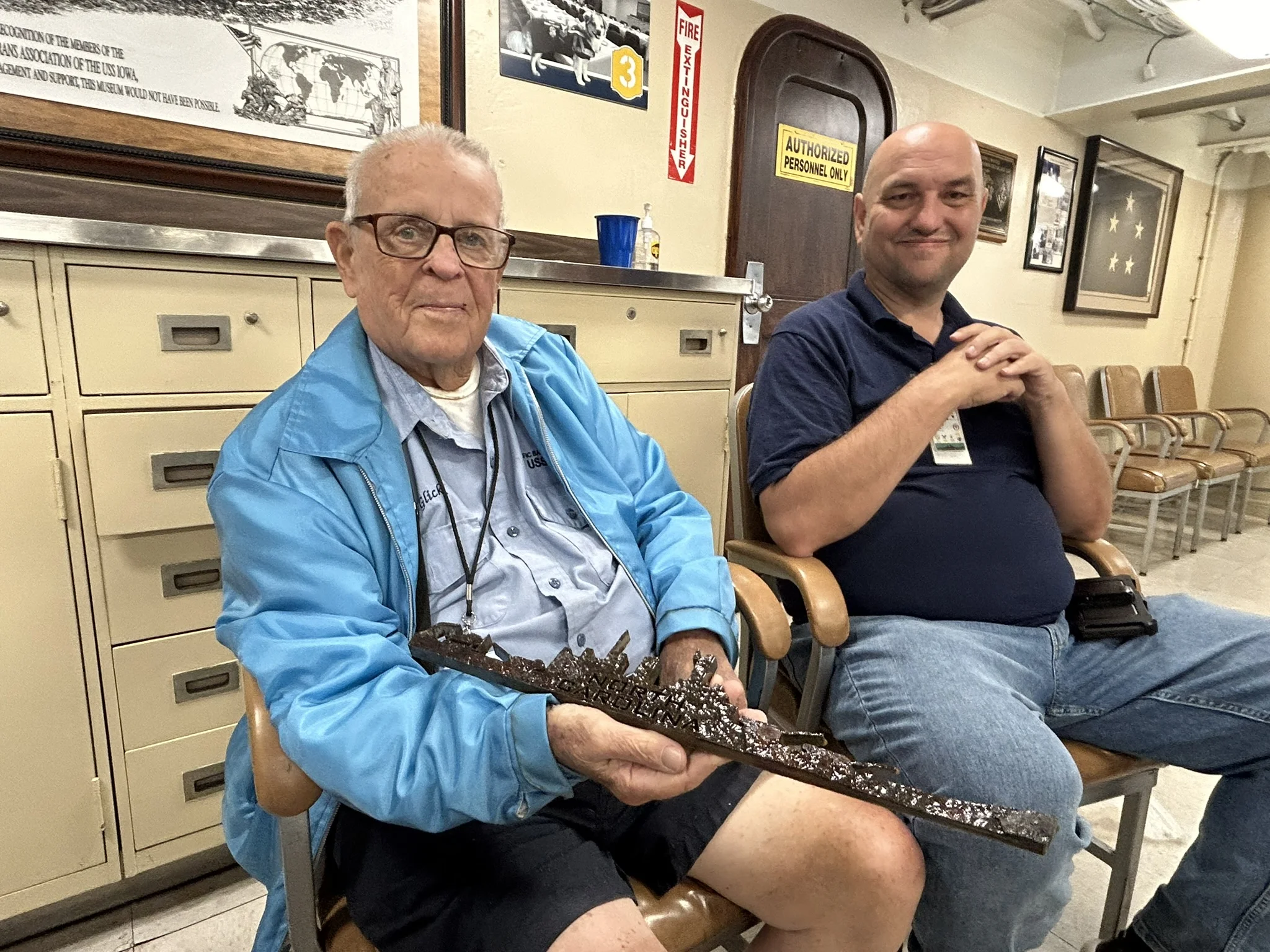
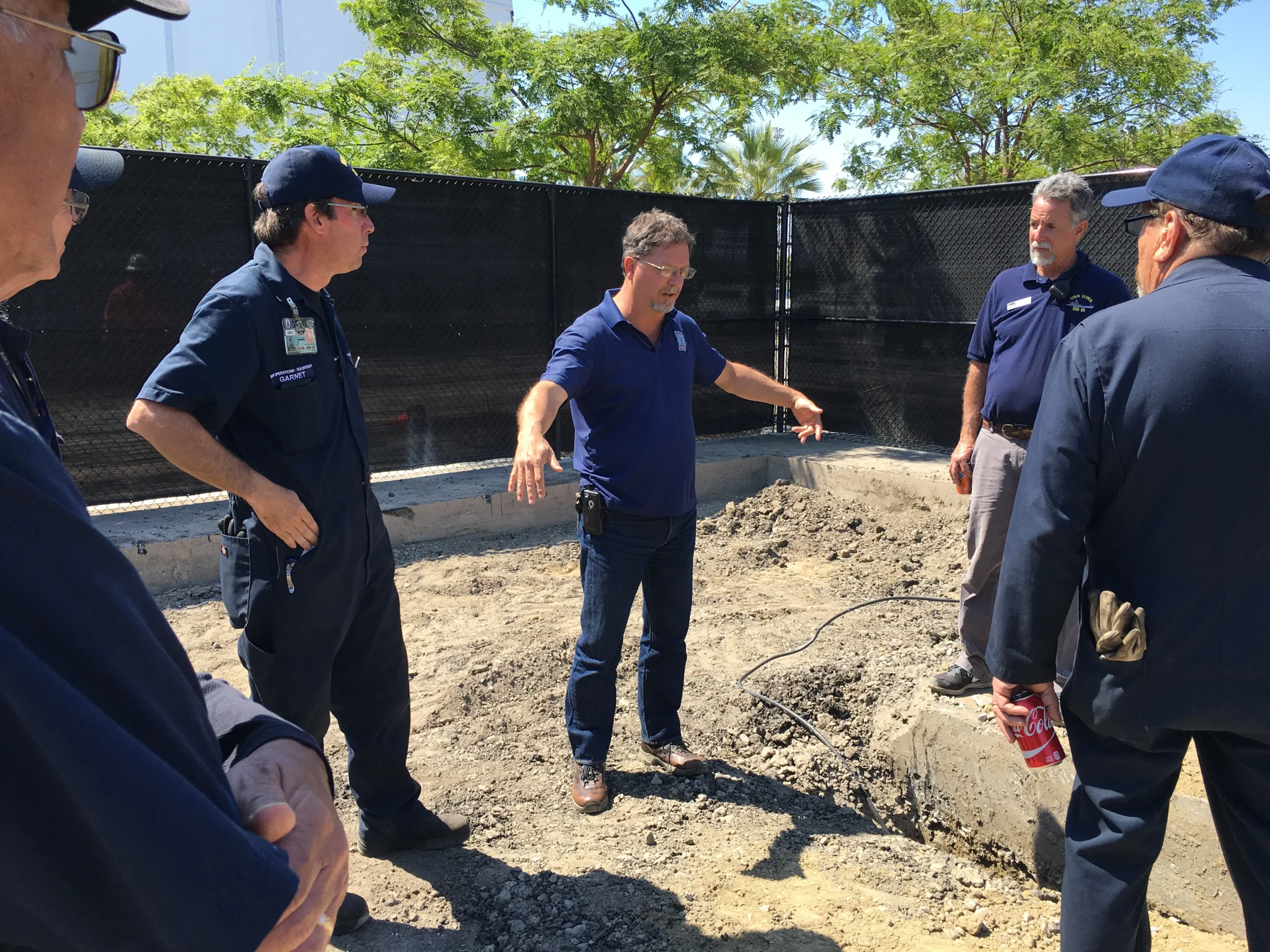
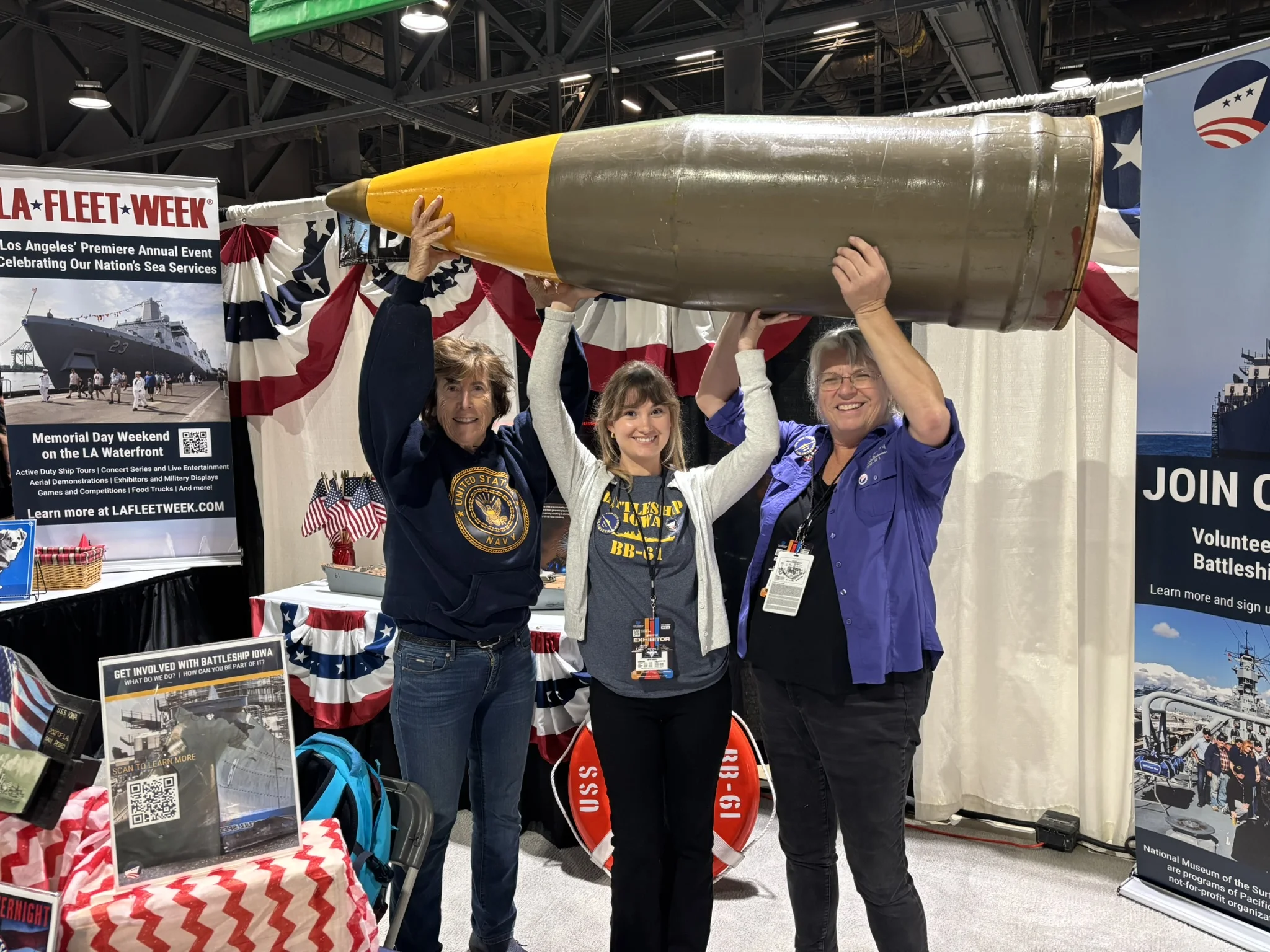
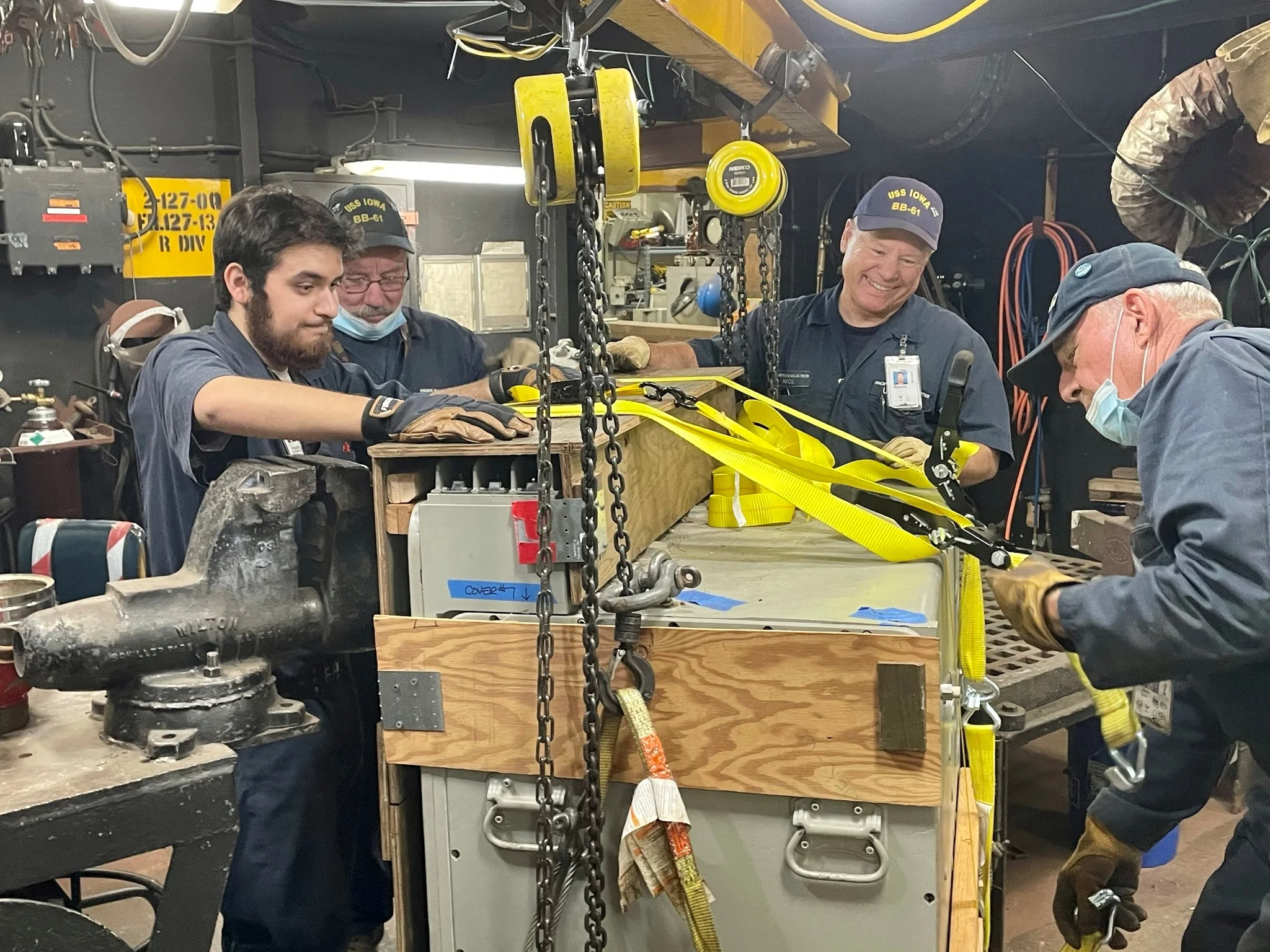
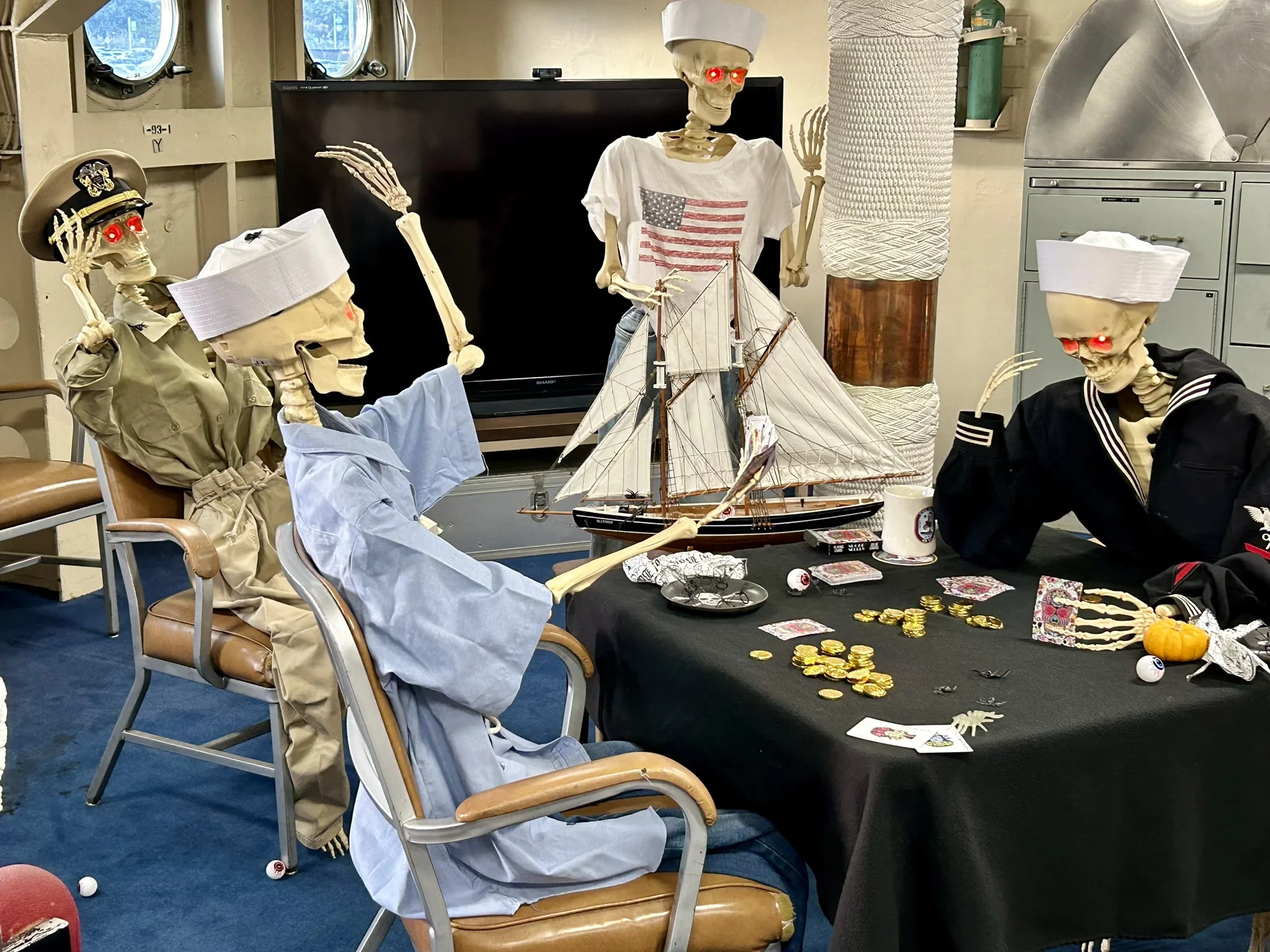
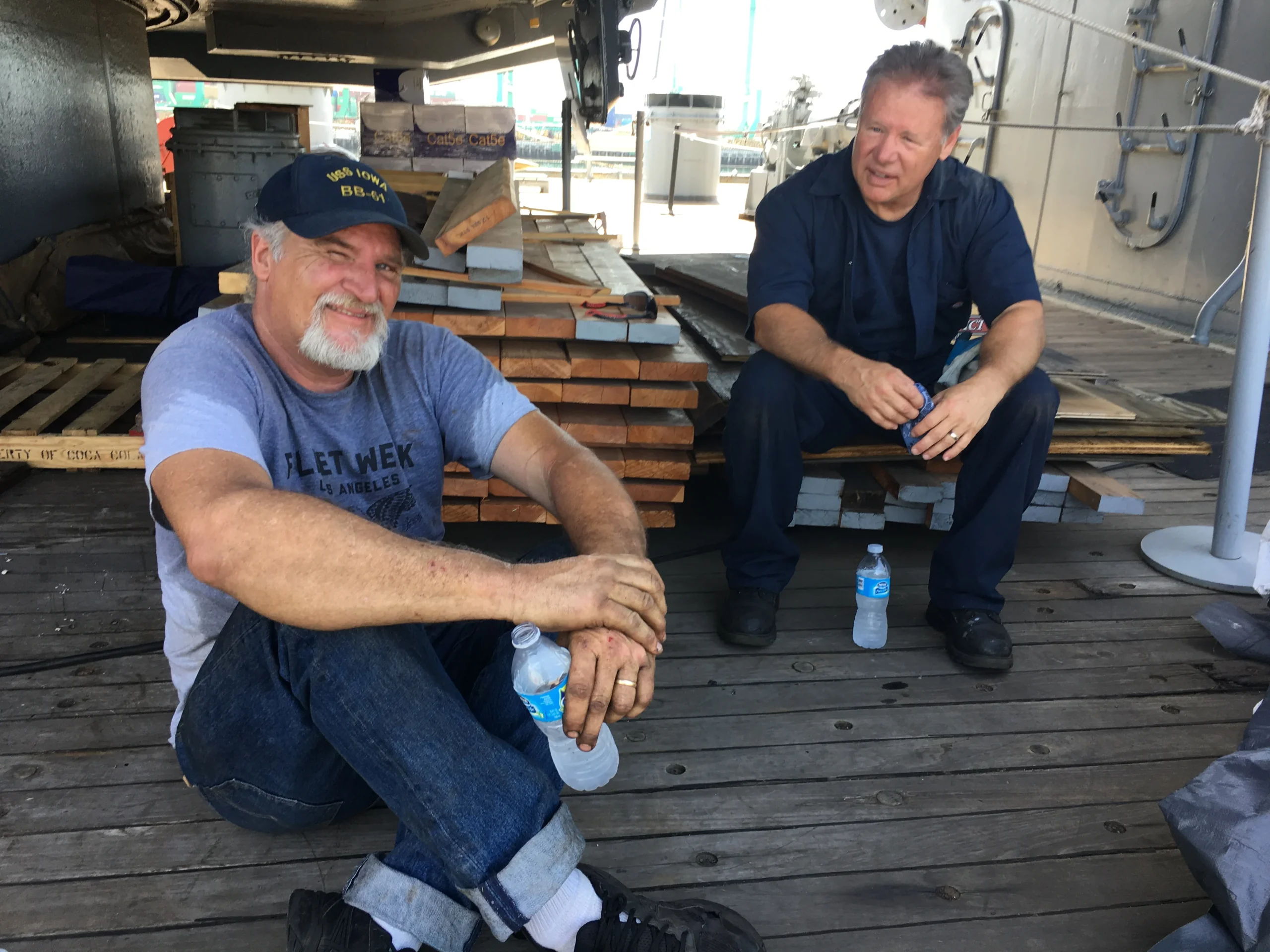
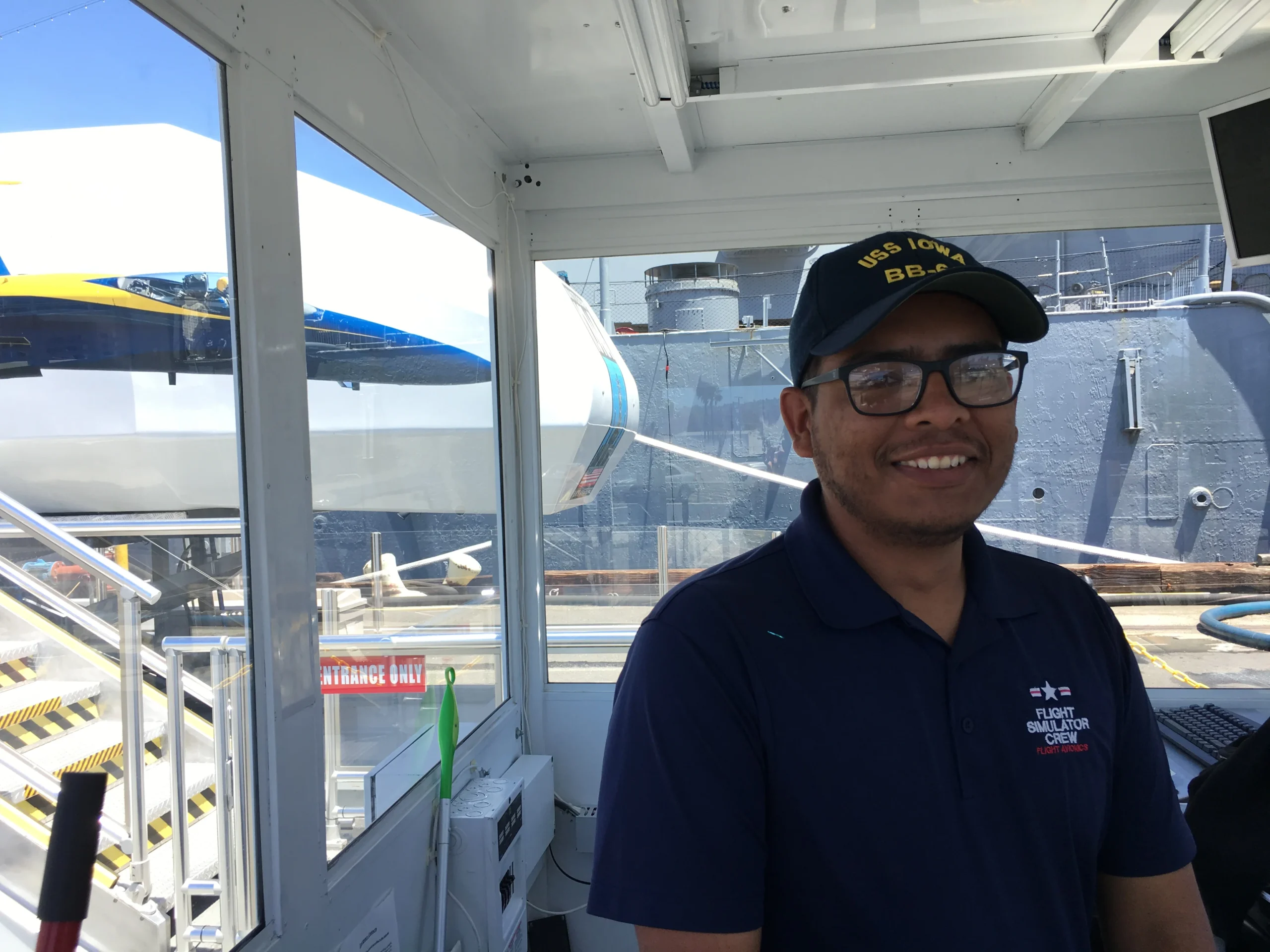
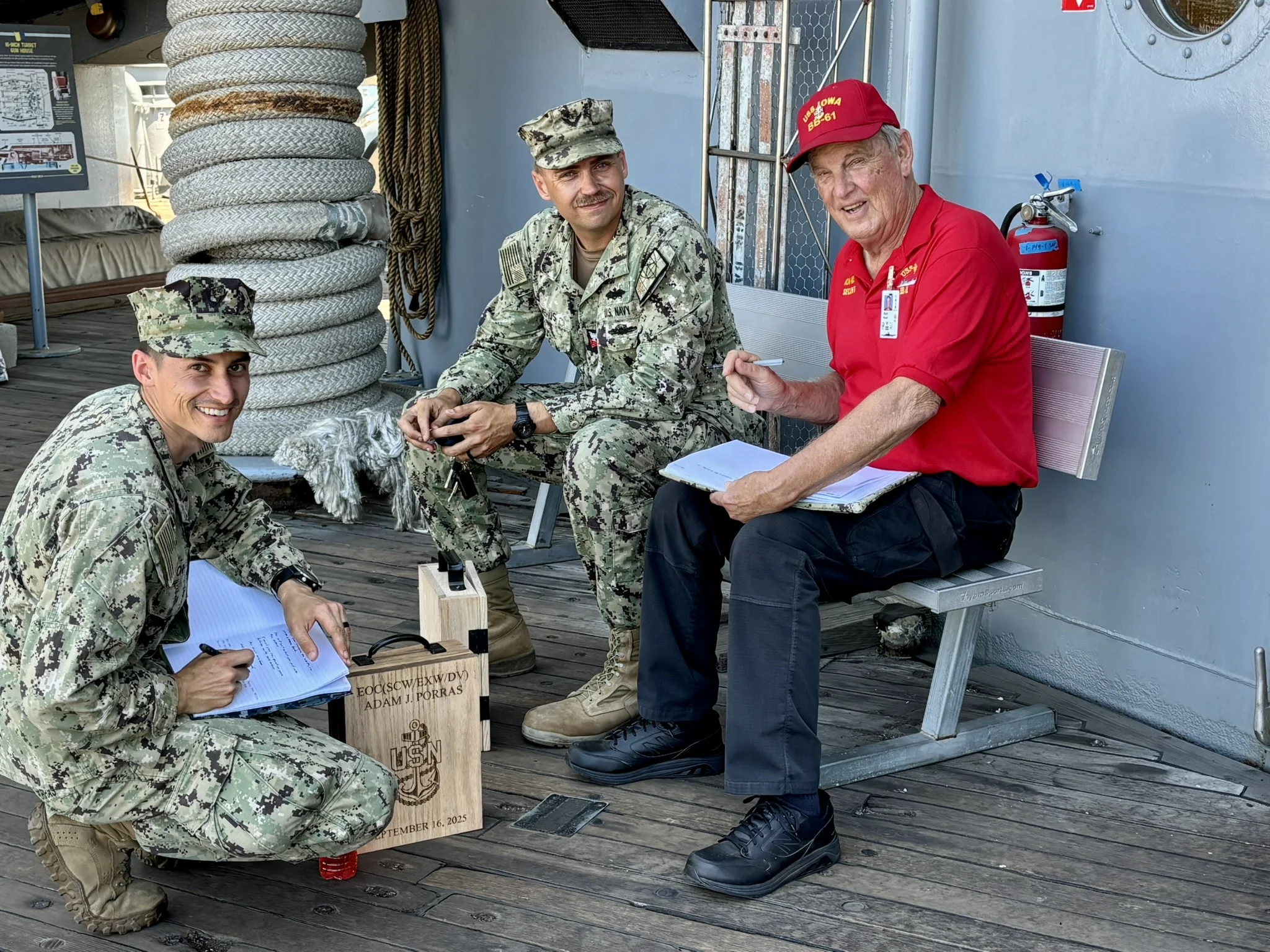
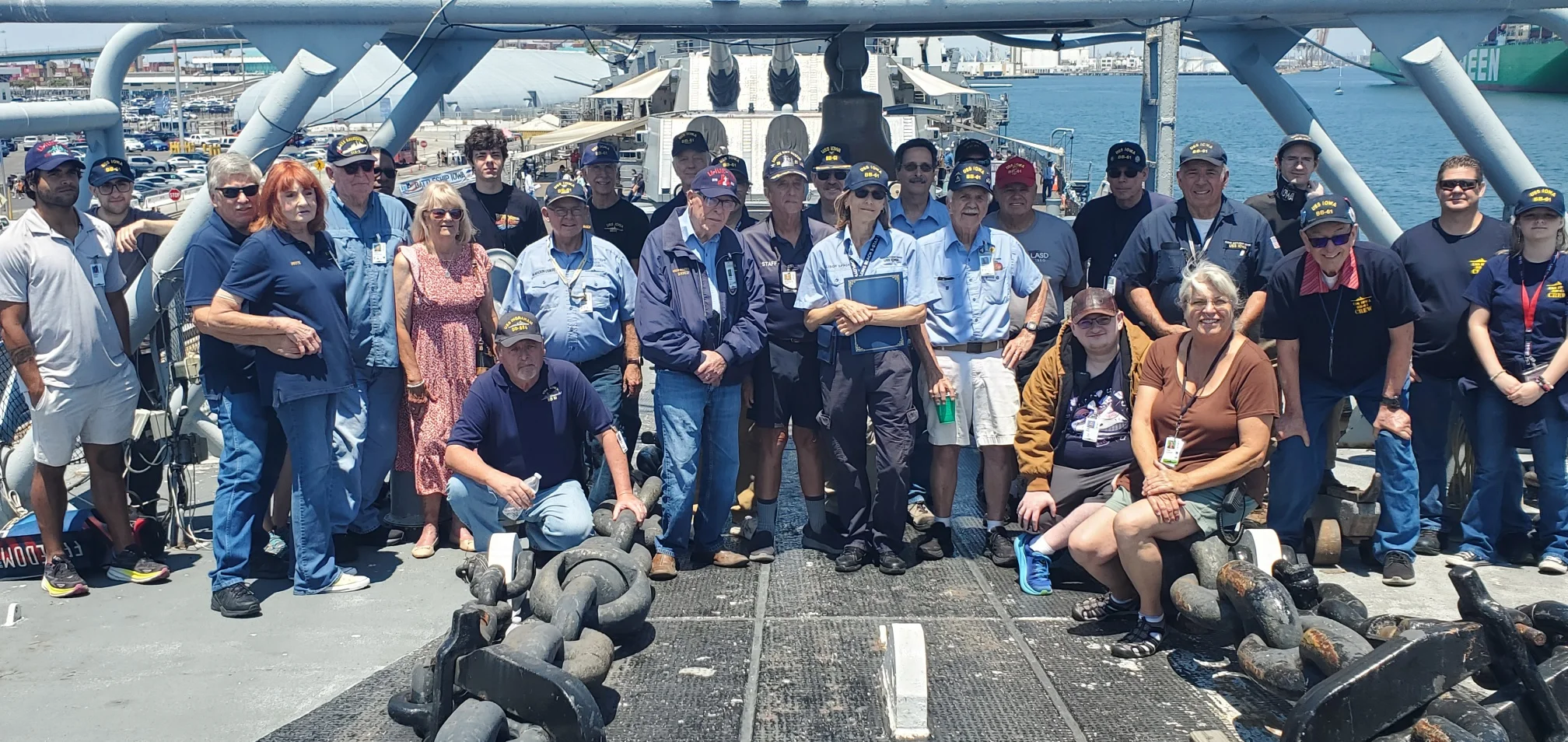
People sometimes ask me who keeps Battleship IOWA running. The answer is pretty simple—the crew does. What surprises people is how much of that crew is made up of volunteers. Walk aboard on any given day and you may meet a volunteer welcoming a family, telling a sailor’s story, helping a child understand how the ship worked, repairing equipment, painting steel, working on an electrical system, preparing for an event, helping with safety, restoring a historic space, or doing one of the hundreds of other things required to take care of an 887-foot battleship. Today, roughly two-thirds of our operating crew are volunteers, continuing a tradition that dates back to the people who helped save IOWA in the first place. This organization was built by people who were willing to show up. It still is.
It Started With Volunteers
Before Battleship IOWA became one of Los Angeles’ major attractions, before LA Fleet Week, before the National Museum of the Surface Navy and everything else that has grown around this ship, there was a group of people trying to save a battleship. They didn’t have much. The early crew working on IOWA in Richmond faced cold, wet conditions, limited power, little money, and a ship that had been sitting in the reserve fleet for years. What they did have was determination. Volunteer Manager Sue Schmidt has described those early days as inheriting an “alien city” that needed to be populated. People came aboard with different backgrounds, different skills, and different reasons for being there. They worked long days together, solved problems as they appeared, laughed a lot, and built relationships that have lasted for years. That spirit never really left the ship. We sometimes call today’s volunteers IOWA’s fourth crew. The first crews took her to war. The fourth crew was given a different mission: take care of her, share her stories, and find new ways for this battleship to serve.
You Don’t Have to Know Anything About Battleships
Importantly, you don’t have to know anything about battleships to volunteer. You do not need to be a Navy veteran. You do not need to know the difference between port and starboard. You don’t need to know what a bulkhead is, how a steam plant works, or why sailors call a floor a deck. We’ll teach you. Our volunteers come from all walks of life. Veterans serve alongside people who have never spent a day in the military. Retired tradespeople work alongside students. Engineers, teachers, accountants, technology professionals, history buffs, and people who want to do something useful all find their way aboard. Our current volunteer program includes opportunities in areas such as tours, safety and security, engineering and preservation, education, events, technology, administration, and many other functions. We also look for people with skills ranging from carpentry, welding, electrical and HVAC work to accounting, IT, electronics, video production, and graphic arts. Sometimes, someone arrives with a skill we didn’t even know we needed. Those can be some of the best volunteers.
Your Experience Matters Here
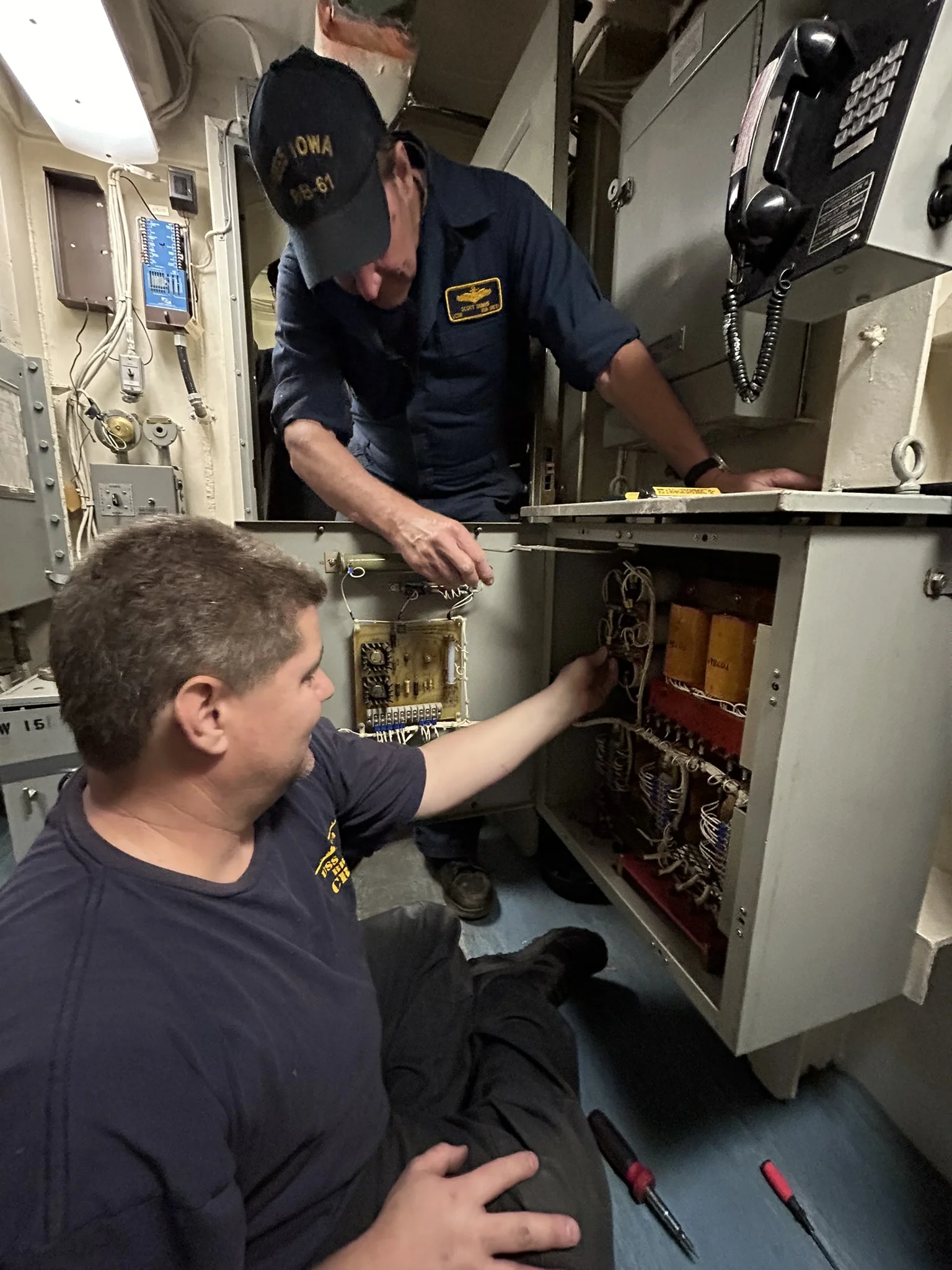
One of the things I like most about our volunteer crew is seeing people bring a lifetime of experience aboard and put it back to work. We have engineers and electronics professionals who have spent careers solving complicated technical problems. Instead of letting that knowledge sit idle in retirement, they are using it. One of our volunteer engineering and technology teams has restored original communications systems aboard IOWA, including radios, portions of the ship’s 1-MC public address system, its 1980s telephone system, and other equipment that helps bring the ship back to life for visitors. Think about that for a second—someone may spend forty years learning electronics, engineering, machining, plumbing, construction, or another trade. They retire. Then they walk aboard Battleship IOWA and discover an 887-foot machine filled with problems waiting to be solved. That’s a pretty good retirement project.
But the same thing happens outside engineering. A teacher can help a child discover history. A veteran can help someone understand what service really means. Someone who spent a career in business can help behind the scenes. A person who loves talking with people can become one of the faces visitors remember from their trip. The idea is not to force everybody into the same volunteer job. It is to ask a much better question: what are you good at, and where can that help?
Sometimes People Find More Than a Job to Do
I’ve watched people come aboard looking for something to occupy their time and find something much more important. They find people. They find a reason to get up in the morning. They find a place where their experience still matters. They find shipmates. One person I think about often is Bob Despain. Bob was a World War II veteran and survivor of the Battle off Samar and the sinking of USS Hoel. He had already lived an extraordinary life long before he came aboard Battleship IOWA. But IOWA gave him something different. It gave him purpose, connection, and community. Bob and his partner became part of our family. They were active members of the crew, surrounded by people who cared about them, and that community stayed around them through the final chapter of their lives. That experience changed the way I think about what this organization can be. We preserve a battleship. But sometimes, while we’re doing that, something else happens. The ship starts taking care of people too.
Veterans Find a Different Kind of Crew
That is particularly important for some of our veterans. Leaving military service means leaving more than a job. For many people, it also means leaving a team, a rhythm, a shared mission, and an environment where everyone understands the importance of depending on the person standing next to you. A civilian workplace doesn’t always replace that. A battleship can feel different. In our 2024 reporting, 43% of active volunteers were veterans, and the organization specifically identified improved job skills, camaraderie, and a sense of belonging among the benefits of their involvement. I don’t think that’s an accident. There is something familiar about being part of a crew. There is work to be done. People depend on one another. Everybody brings something different to the mission. And at the end of the day, you know whether you contributed. You don’t have to have served aboard IOWA—or even served in the military—to understand that feeling.
There Is Real Work to Do
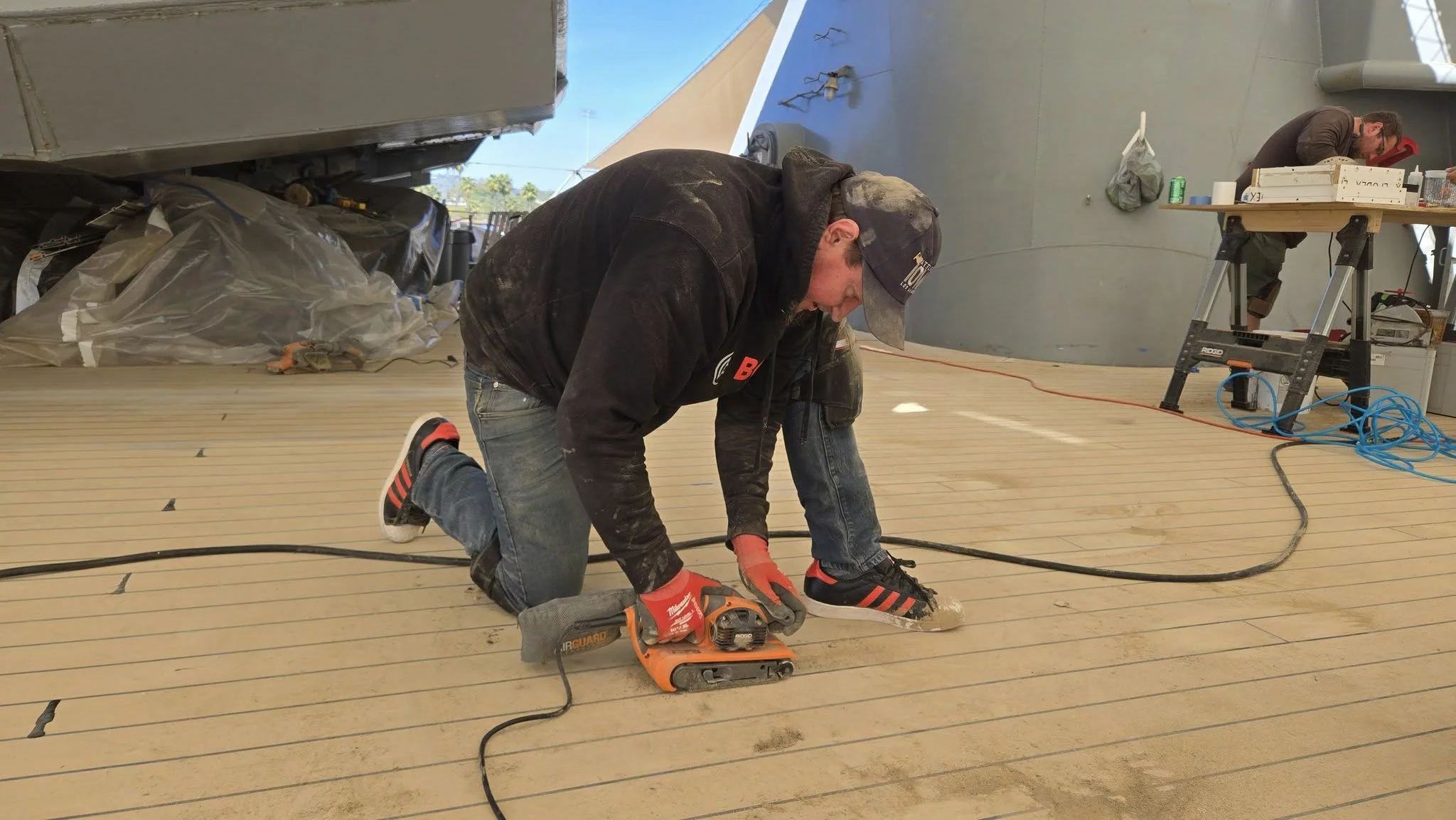
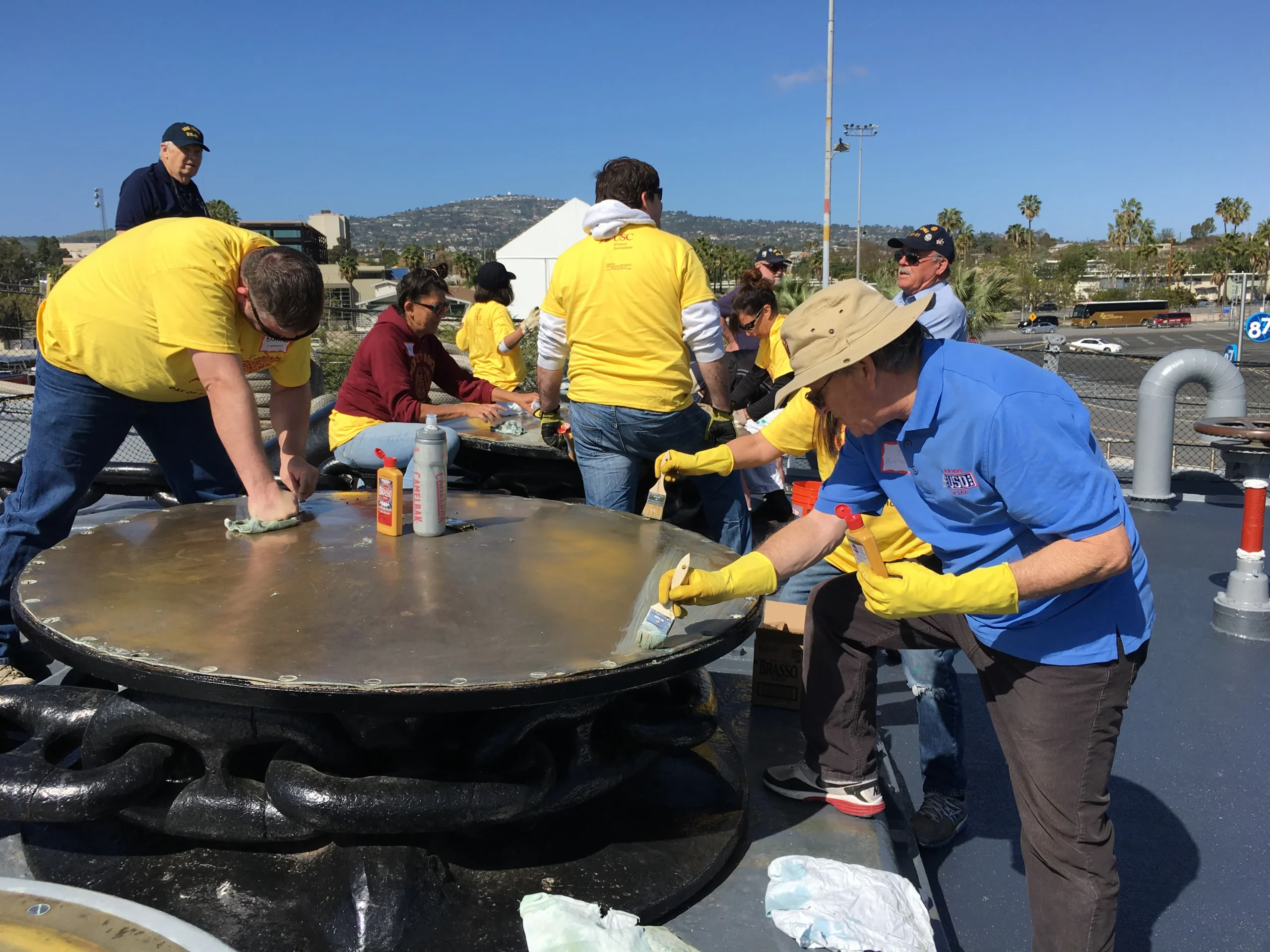
I also don’t want to make volunteering aboard IOWA sound like a social club disguised as work. There is plenty of real work. A battleship sitting in salt air does not stop deteriorating just because it has become a museum. Steel rusts. Wood deteriorates. Paint fails. Systems need maintenance. Visitors need assistance. Programs need people. Events need support. Students need instructors. Stories need to be researched and preserved. New exhibits have to be built. Spaces that have been closed for decades have to be cleaned, repaired, and brought back into use. The National Museum of the Surface Navy doesn’t appear by itself. Neither does LA Fleet Week. Neither do our youth programs, veteran activities, or community programs. Someone has to do the work. In 2024, 695 volunteers contributed approximately 58,000 hours of service to Pacific Battleship Center. The estimated value of those hours exceeded $2 million. Those aren’t ceremonial hours. That is real organizational capacity. Without volunteers, much of what people experience aboard Battleship IOWA wouldn’t happen.
You May Learn Something Too
Volunteering isn’t only about bringing skills aboard. People develop them here too. New engineering volunteers can work alongside people with decades of trade experience. New volunteers are introduced to their departments, paired with experienced crew members, and trained for their roles. Current recruitment materials for our engineering crew, for example, describe one-on-one mentorship, orientation, and hands-on departmental training. That creates something increasingly rare—knowledge gets passed from one person to another. A retired electrician can teach someone younger. A Navy veteran can explain why something aboard the ship was done a certain way. A docent can learn a story from someone who actually lived it. Someone with no maritime background can discover that they’re pretty good at something they had never tried before. That’s how communities should work. People don’t just show up with something to give. They leave with something too.
We Have Some Unusual Traditions
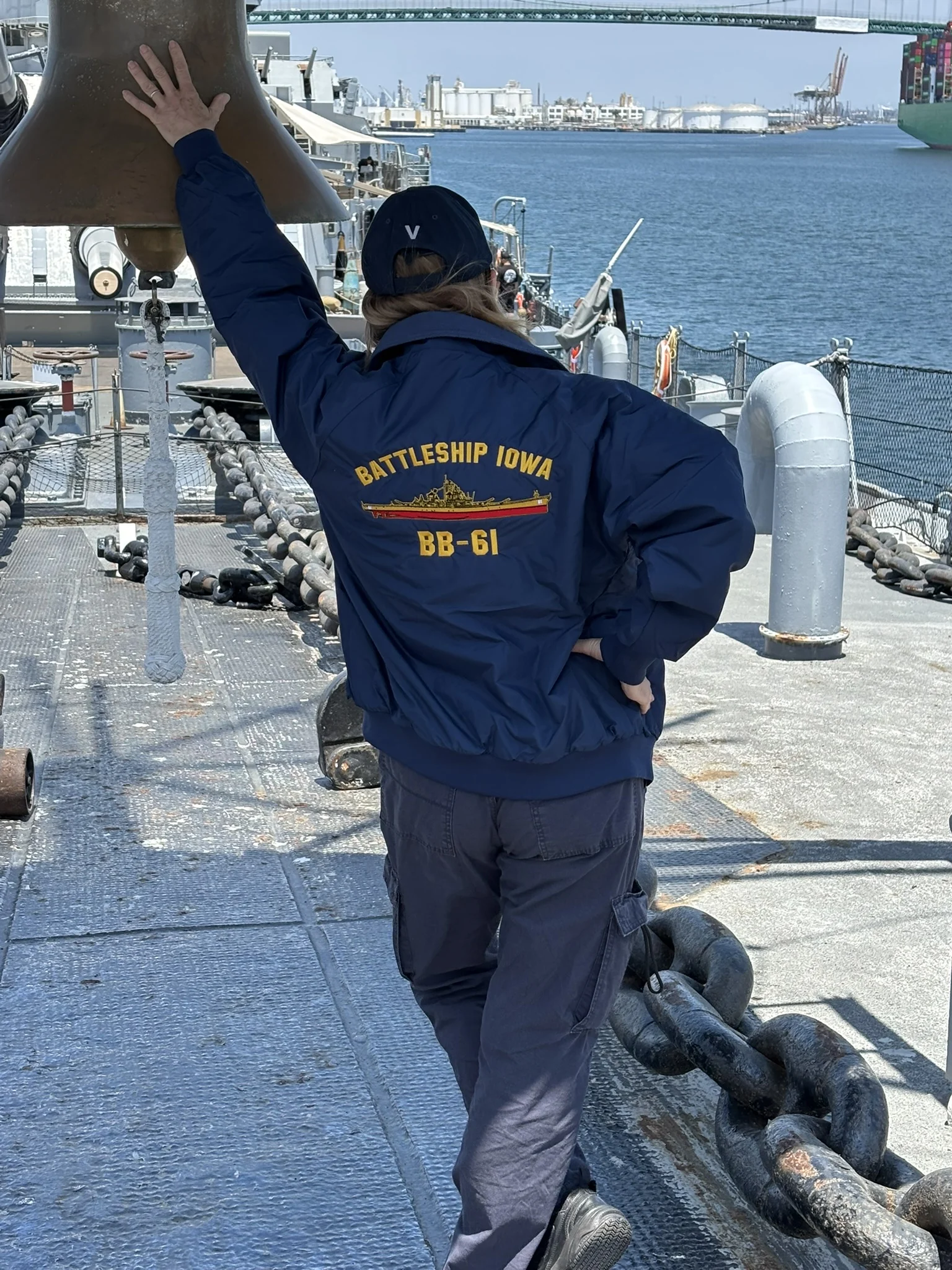
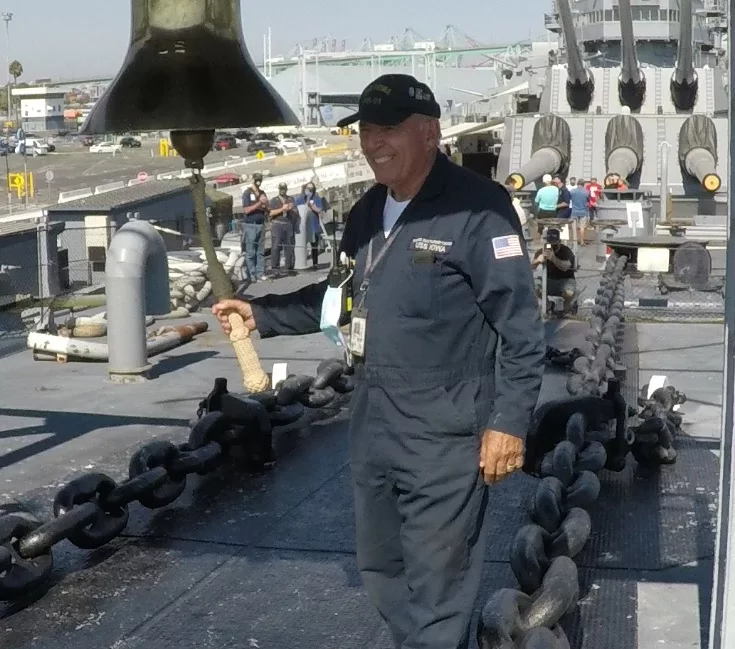
When you spend enough time aboard a battleship, you tend to develop traditions. One of my favorites happens when a volunteer reaches a milestone of 1,000 hours of service. They get to ring the ship’s bell—not a little desk bell, a ship’s bell. Their accomplishment is announced to their shipmates; they step forward on the foredeck and let the bell's sound ring out across the ship. Then they do it again when they reach another thousand hours, and another. Some of our volunteers have logged many thousands of hours aboard IOWA. Volunteers reaching their first 1,000 hours also earn a special embroidered jacket that can’t be purchased—it has to be earned. I love that tradition because volunteering should be recognized. Time is valuable. When someone gives us a thousand hours of their life, that matters. We should make some noise about it. Literally.
The Community Goes Beyond the Work
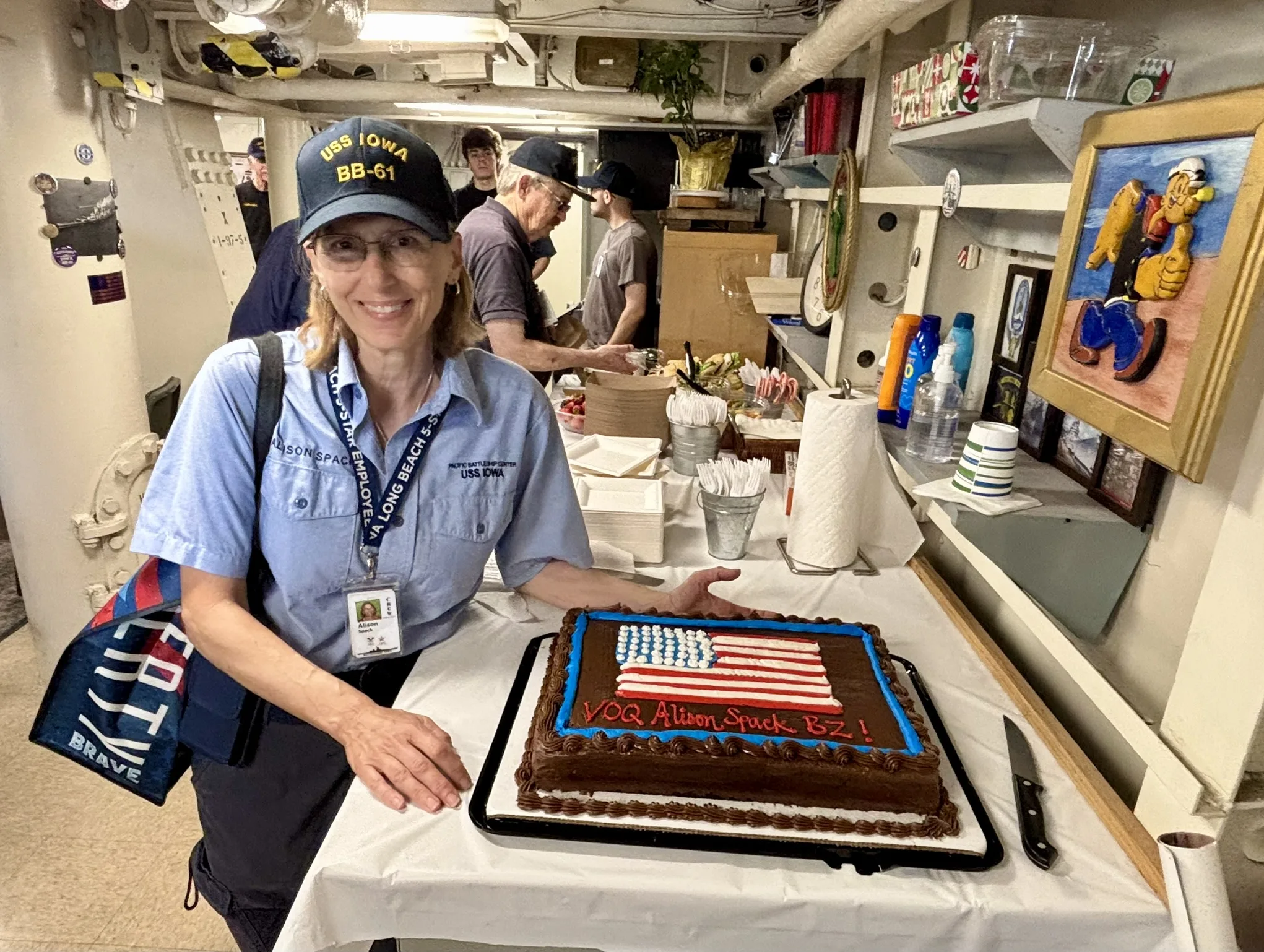
Another reason people stay is that the relationships don’t end when the workday does. Our volunteers have gathered for potlucks, lectures, movies, field trips, behind-the-scenes explorations of the ship, crew appreciation events, and other activities. You’ll hear people use the word shipmate around here. It isn’t accidental. You spend enough Saturdays restoring a compartment with someone, enough afternoons talking with visitors together, enough long event days solving problems, or enough lunches sitting around swapping stories, and eventually you’re not just volunteering at the same place. You know one another, and that matters. Our own leadership framework recognizes these communities as more than informal social groups. They help retain people, transfer knowledge, develop leaders, and expand what the organization can do. That is exactly what I’ve watched happen aboard IOWA.
There Is a Place for Different Generations
Another number from our 2024 report really stands out to me: sixty-one percent of our active volunteers were over the age of 55. That says something important. We spend a lot of time as a society talking about preparing the next generation—and we should. But we also have generations of people walking around with decades of knowledge, experience, and relationships. We shouldn’t waste that. A person doesn’t stop having value when they retire. Quite the opposite. Sometimes retirement finally gives them enough time to put everything they’ve learned toward something they care about. At the same time, we need younger people aboard too—students, young professionals, people exploring careers, people who want mentors, people who want to learn how something works rather than watch another video about it. Put those generations together and something powerful happens. Experience moves forward.
Why Volunteer Here?
There are thousands of places worthy of someone’s volunteer time. So why Battleship IOWA? The answer depends on the person. Maybe you love history. Maybe you served. Maybe someone in your family served. Maybe you love machinery. Maybe you are fascinated by ships. Maybe you want to work with kids. Maybe you’re looking for experience that can help with a future career. Maybe you’re retired and miss being part of a team. Maybe you’ve just moved to Los Angeles and want to meet people. Maybe you don’t know exactly what you’re looking for. That’s okay too. You might come here because of the battleship. You may stay because of the people.
One Ship. One Crew.
We use a phrase around here: One Ship. One Crew. One Mission. It isn’t about whether there is a paycheck attached to your role. It isn’t about whether you served in the Navy. It isn’t about how much you knew when you walked through the gate for the first time. It means that everybody has something they can contribute. This organization has always depended on people who decided that simply caring wasn’t enough. They wanted to participate. They wanted to build something. They wanted to help. That is how Battleship IOWA was saved. It’s how this museum grew. And it’s how we’re building what comes next.
If you’ve ever driven across the Vincent Thomas Bridge, looked down at that battleship, and wondered what it would be like to be part of the crew, I have a suggestion: come find out. You don’t need to know exactly where you fit. Please tell us what you enjoy. Tell us what you know. Tell us what you’d like to learn. Bring your experience, your curiosity, your sense of humor, and a willingness to contribute. We’ll figure out the rest together. Because there is always work to do on a battleship. And there is usually room for one more shipmate. Come aboard. Find your place. Join the crew.
Individual
Sign-Up
Group
Sign-Up
Login
TICKETS
Experience the Life of a Sailor.
Life of a Sailor
Our general admission experience shows how sailors live, work, and serve.
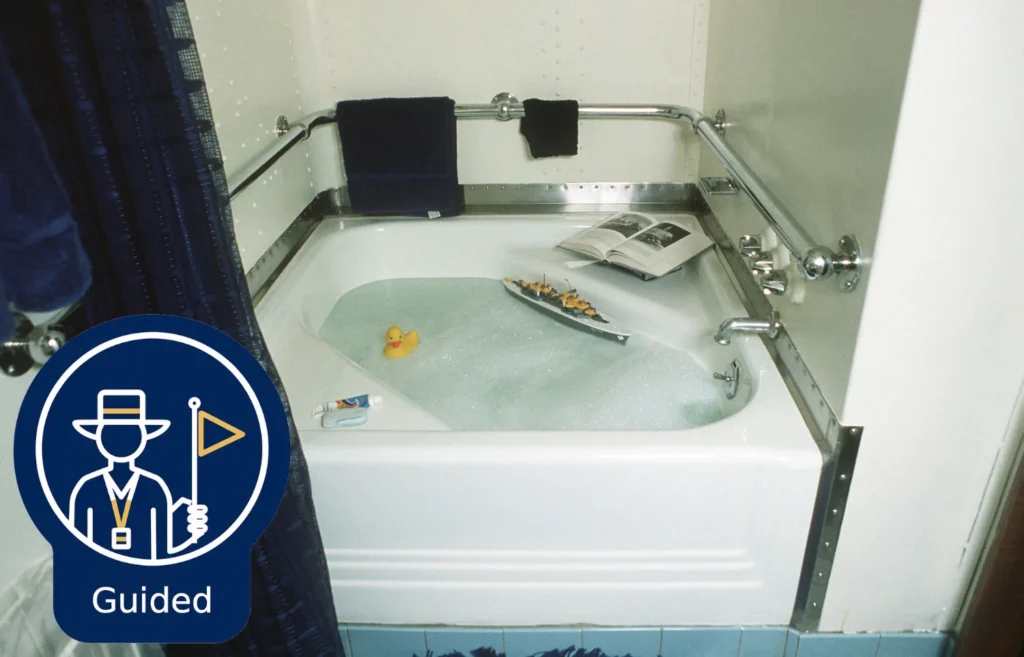
President’s Tour
It's November 1943, and Battleship IOWA is on a covert mission. President Franklin Delano Roosevelt and his entire staff are aboard, headed for top-secret […]
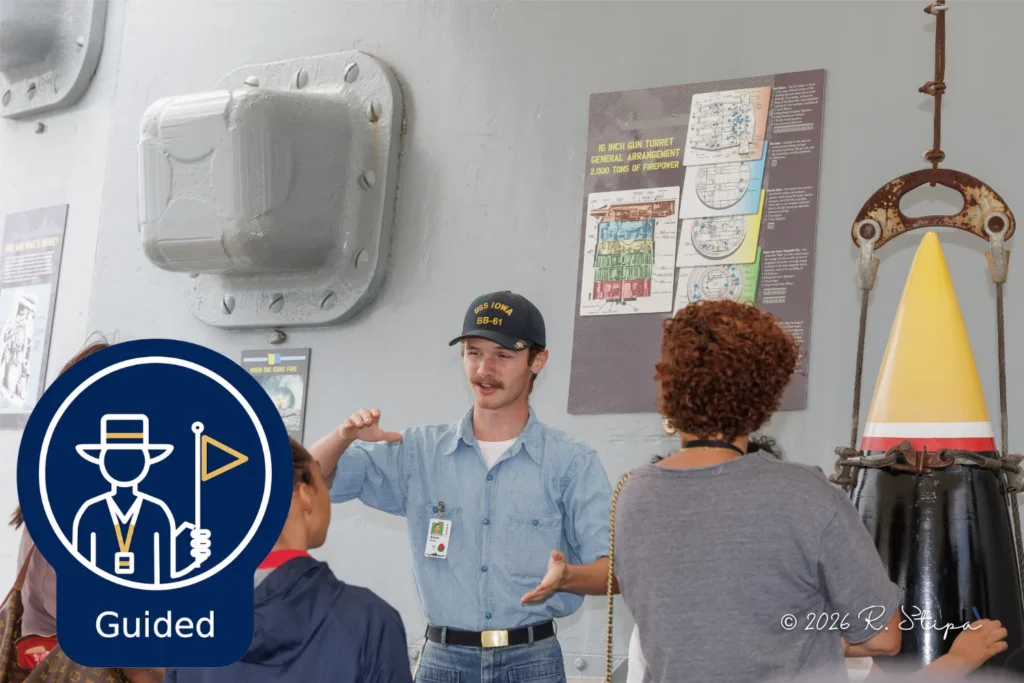
Overview Experience
The overview experience is a 90-minute crew-led tour that brings the ship's legacy to life through the stories of those who served, and those […]
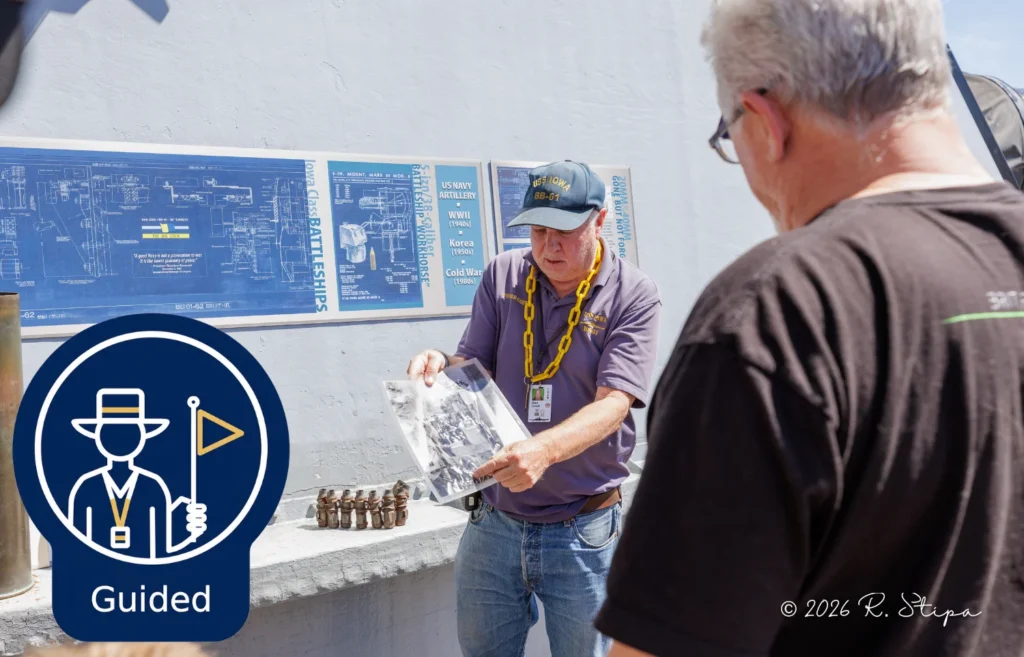
Gun Tour Experience
This exclusive, behind-the-scenes journey puts you inside the systems that made Battleship IOWA one of the most powerful warships ever built.
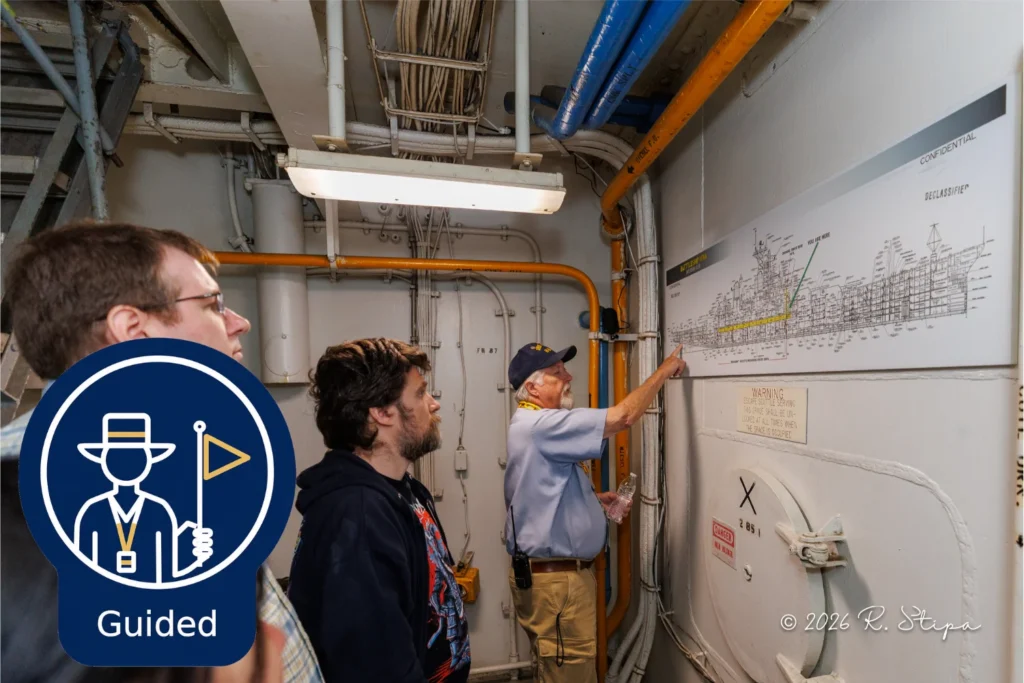
Engineering Tour Experience
The Engineering Tour takes you below into the hidden heart of Battleship IOWA, where eight boilers and four steam turbines once generated 212,000 shaft […]
Escape the Fleet Adventure
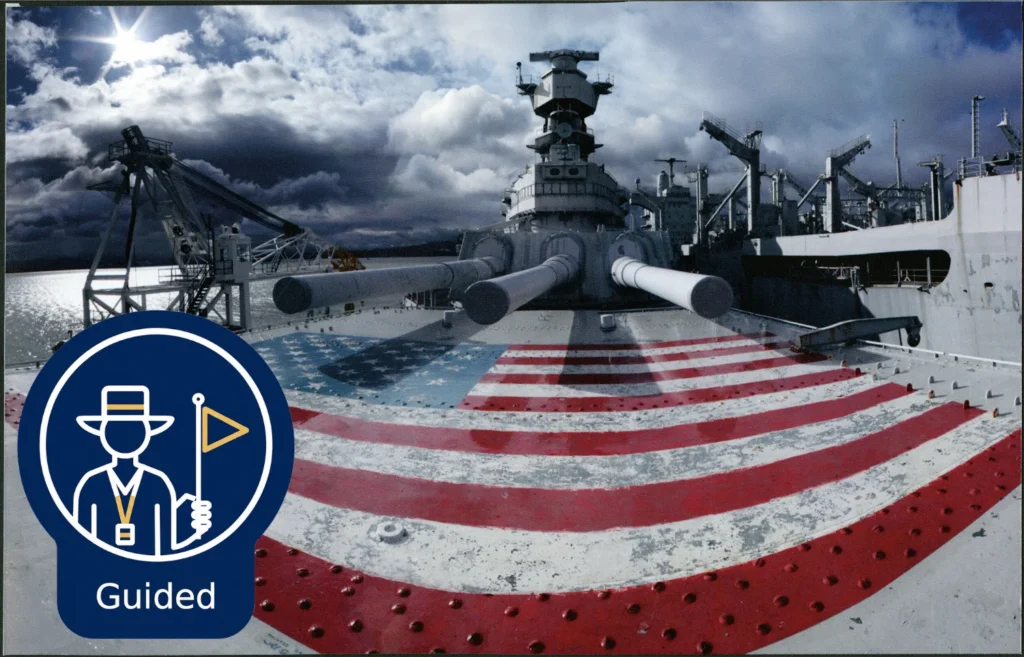
In 2011, a small team raced against time to pull Battleship IOWA out of the Navy's reserve "ghost fleet" — or watch her be […]
Included with Admission
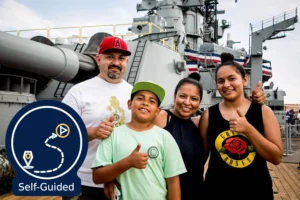
Life of a Sailor
Our general admission experience shows […]
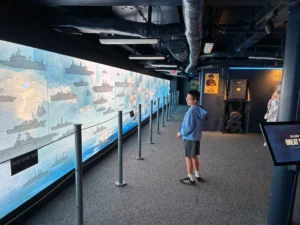
Great Ships
Explore the ships of America's […]
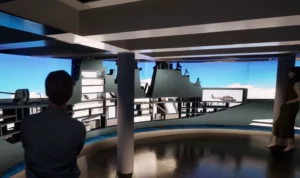
Ship Cutaway
See inside a Navy ship […]
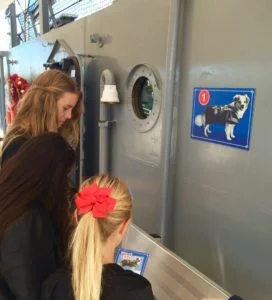
Vicky’s Scavenger Hunt
Find Vicky throughout your shipboard […]
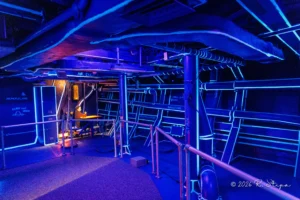
Living Blueprint
Immerse yourself in a blueprint […]
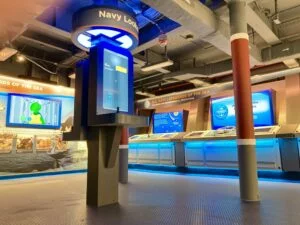
Stewards of the Sea
Explore how the Navy protects […]
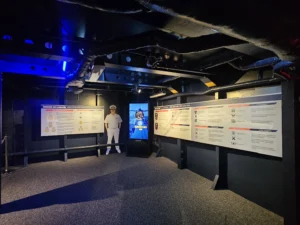
What’s My Rate?
Find the Navy career that […]
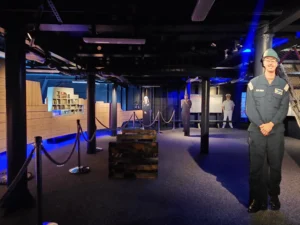
Every Sailor has a Story
Meet the people who serve.
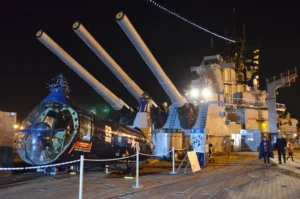
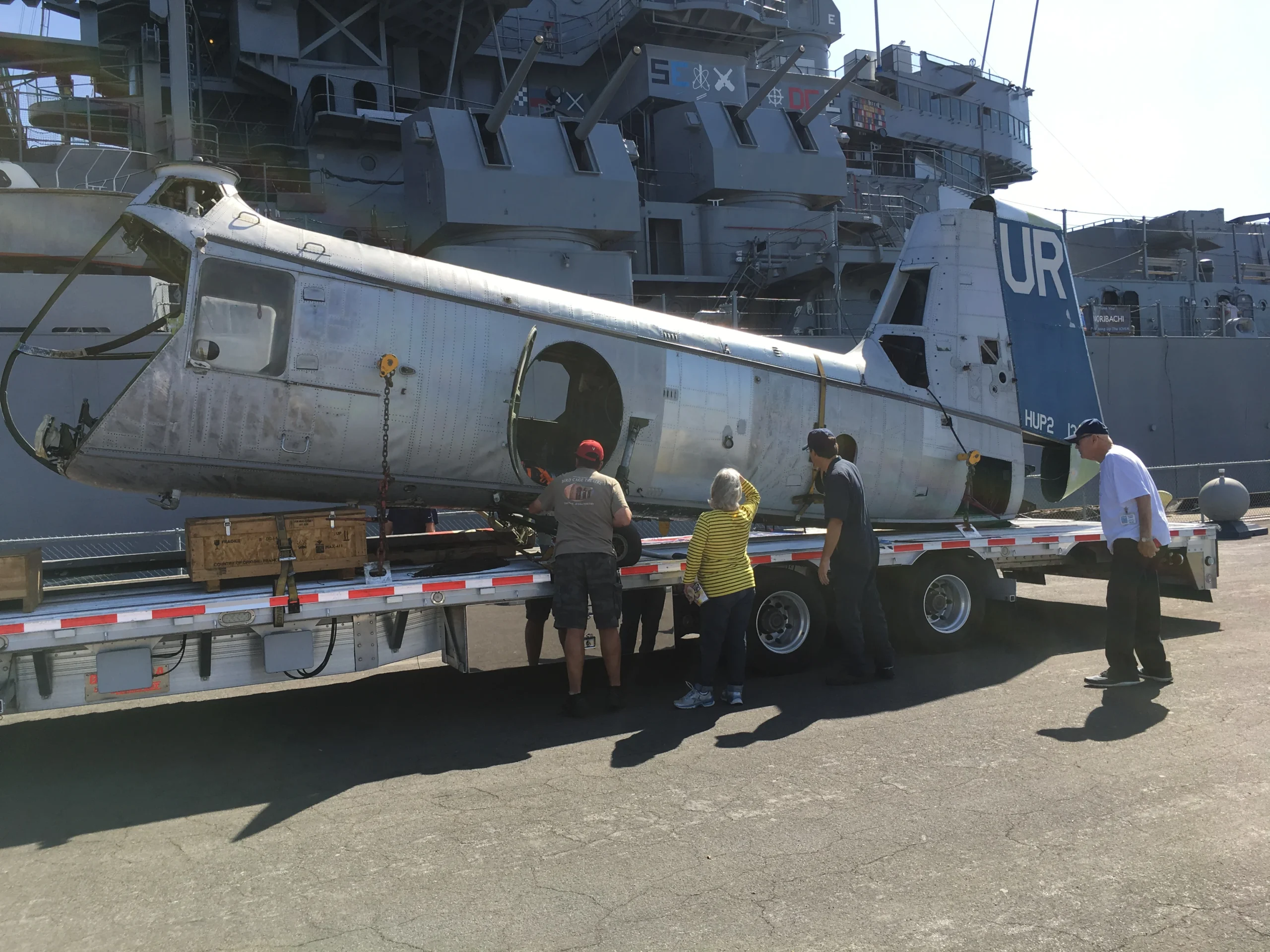
HUP-2 Retriever Helicopter
Korean War-Era HUP-2 Retriever Helicopter.
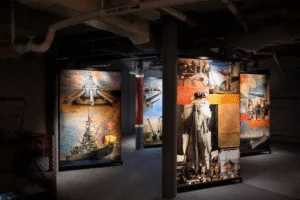
Sticks Art Gallery
Discover IOWA's story through art.
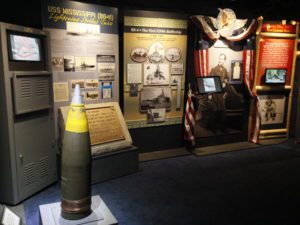
Gunnery Incidents
A dive into Navy gunnery […]

Limited time only!
Kids Board Free
In the all-new Life of a Sailor experience, kids become sailor recruits, building their skills, following the story of a famous sailor, and joining Vicky the Dog on a scavenger hunt through Battleship IOWA.
Kids board free with a paid adult.